

America’s oldest freestanding children’s library has served the Palo Alto community since 1939. Designed in the Spanish Colonial Revival style, the beloved landmark features a hand-molded Mission tile roof, child-scaled furnishings, an iconic storybook fireplace, and a historic garden. During a $4.1 million renovation led by Architectural Resources Group (ARG), the library was thoughtfully expanded while preserving its architectural character and enduring charm.
Palo Alto Children's Library


Preserving a Historic Library While Expanding Its Possibilities
A Flexible Space for Learning and Discovery
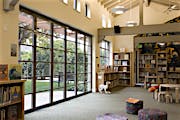
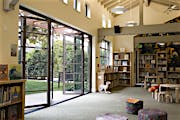
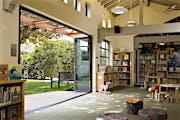
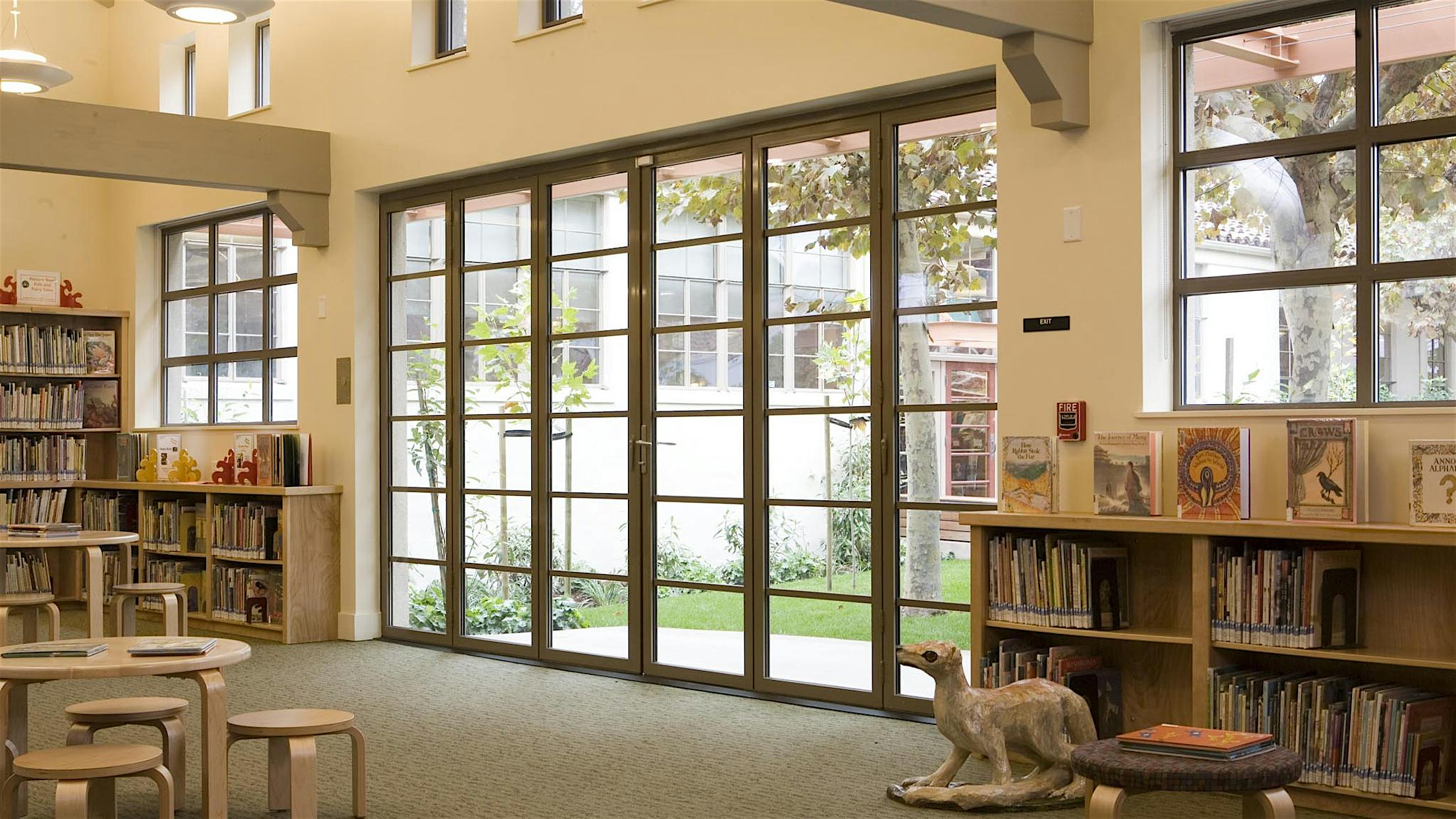
The addition of the nearly 2,500-square-foot Tree Top Room expanded the library’s capacity for collections, programming, and group activities. When the NanaWall system is fully opened, the room seamlessly connects with the surrounding sycamore-filled garden, filling the space with natural light, fresh air, and an immersive indoor-outdoor experience that enhances learning and play.
Bringing the Secret Garden to Life
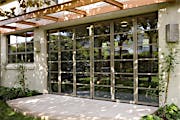
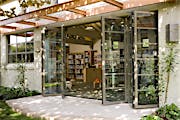
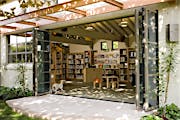
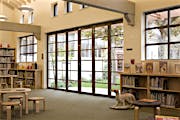
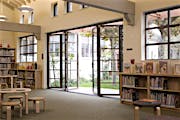
Inspired by The Secret Garden, ARG created a new multipurpose room that opens directly to a brick-walled courtyard through a six-panel NanaWall SL45 folding glass wall. The flexible opening transforms the interior into an extension of the garden, creating a magical setting for storytime, educational programs, and community events while strengthening the connection between learning and nature.
“The NanaWall system enables the library to take advantage of a fine climate much of the year and helps accommodate groups of 100 or more children for its very popular story hours.” — Cathleen Malmstrom, AIA, Architectural Resources Group
Energy Efficiency and Natural Daylighting
One challenge with the renovation was that the Tree Top Room has southern exposure. Malmstrom incorporated NanaWall into the solution.
“Low-E glass, combined with an overhead vine-covered trellis, helps mitigate solar gain and strong light associated with the south-facing orientation, which is dictated by the very limited site,” she explains. The low-E glass used in the NanaWall installation allows a fair amount of natural daylight to stream in – visible light transmission, or VLT – while still reducing glare and unwanted heat.
Design Options to Match Existing Architecture
This was not Malmstrom’s only attraction to NanaWall. She had utilized a NanaWall system in a previous project in Massachusetts and was familiar with the product's outstanding engineering and aesthetic applications.
NanaWall's wide selection of finishes also helped meet aesthetic goals for the renovation. In this case, Malmstrom specified bronze-colored horizontal mullions for the SL45 panels, to match the two fixed windows that flank either side of the doors and to complement the pre-existing fenestration. Moreover, NanaWall's excellent sound attenuation acoustically separates garden functions from activities in The Tree Top Room.
What Our Customers Have to Say
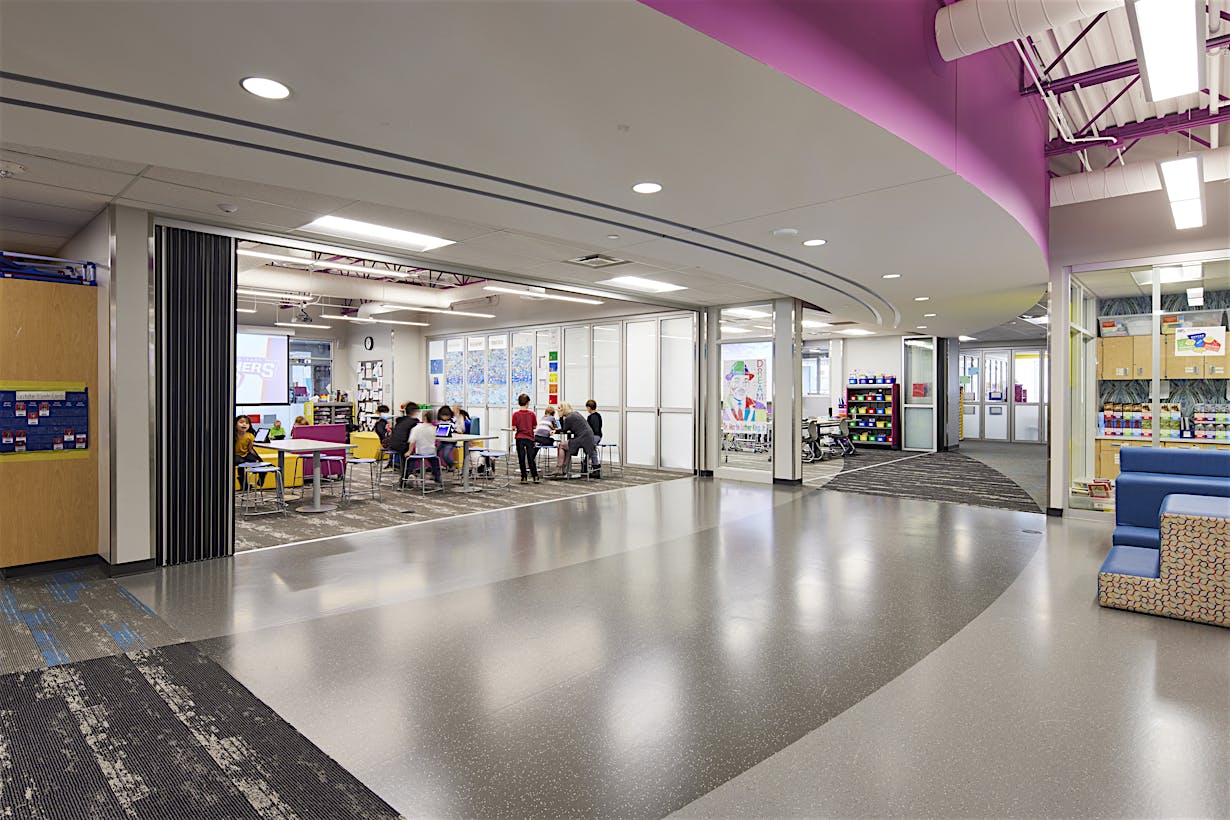
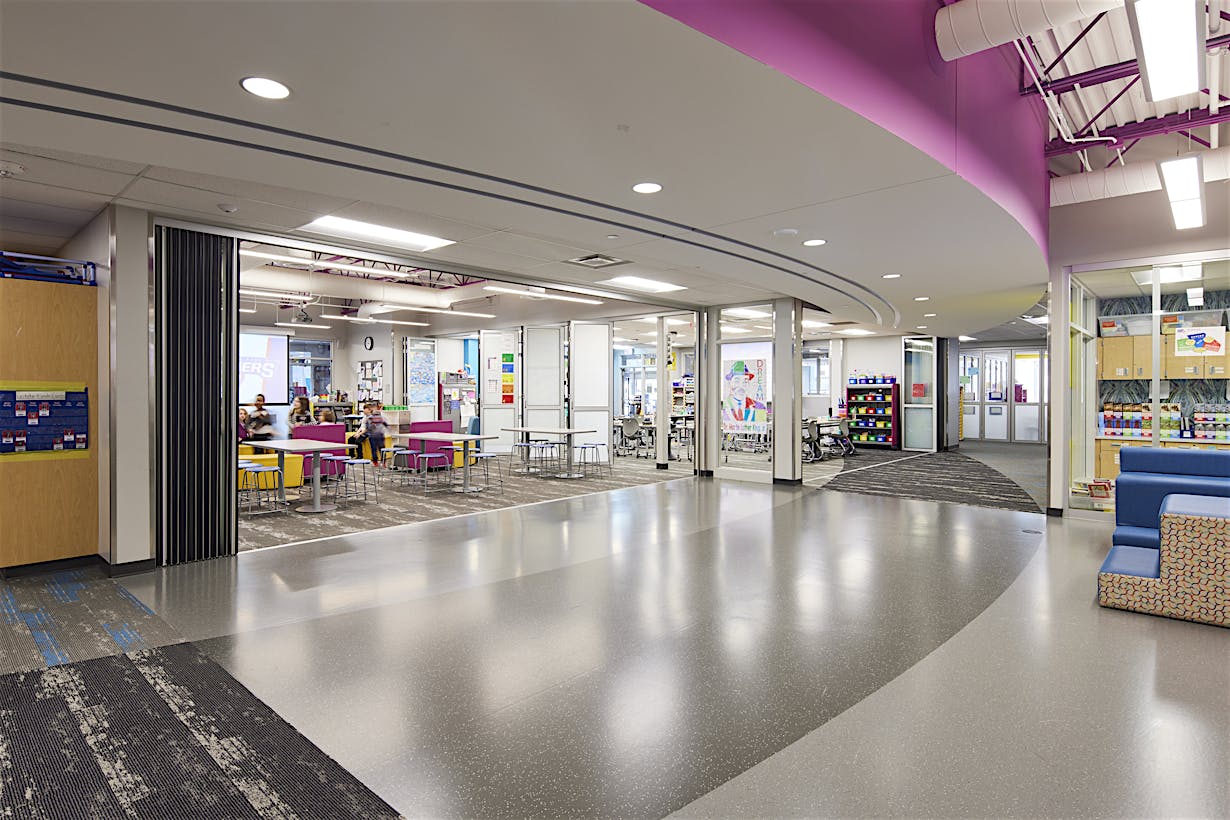
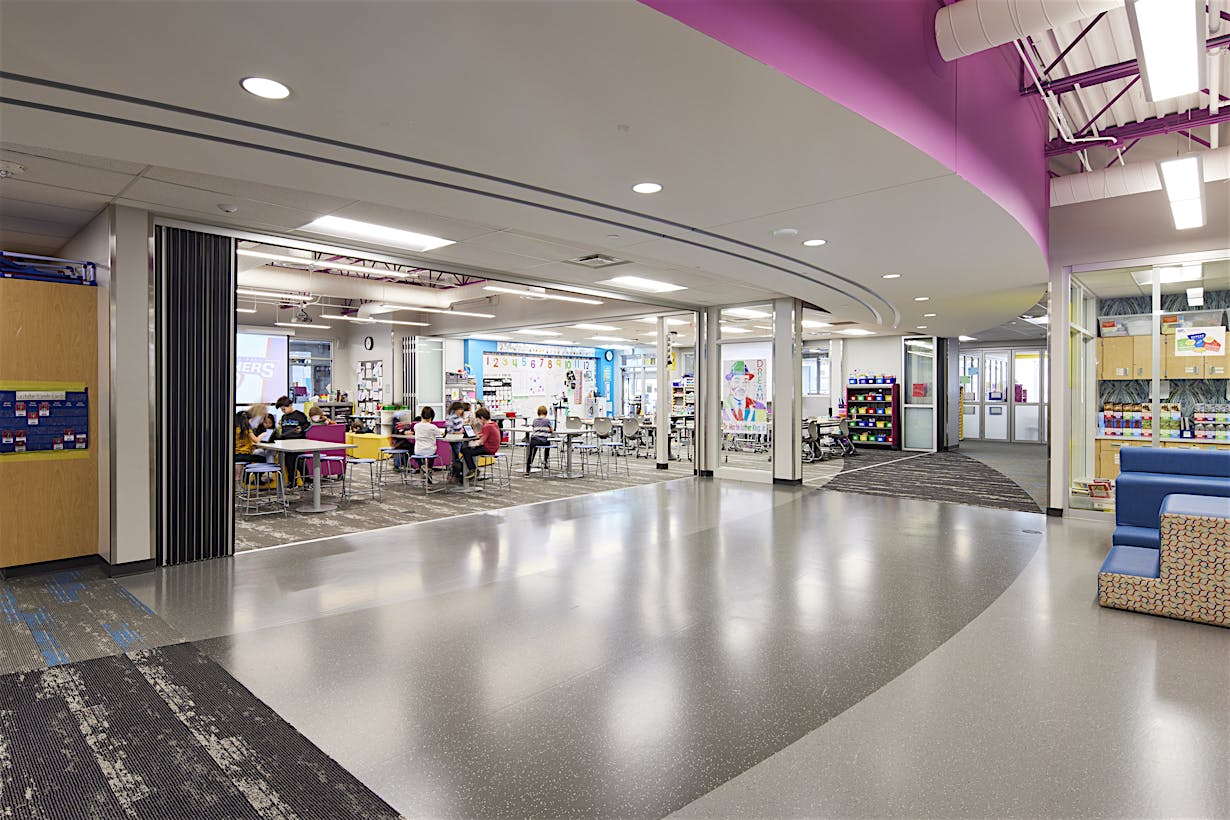
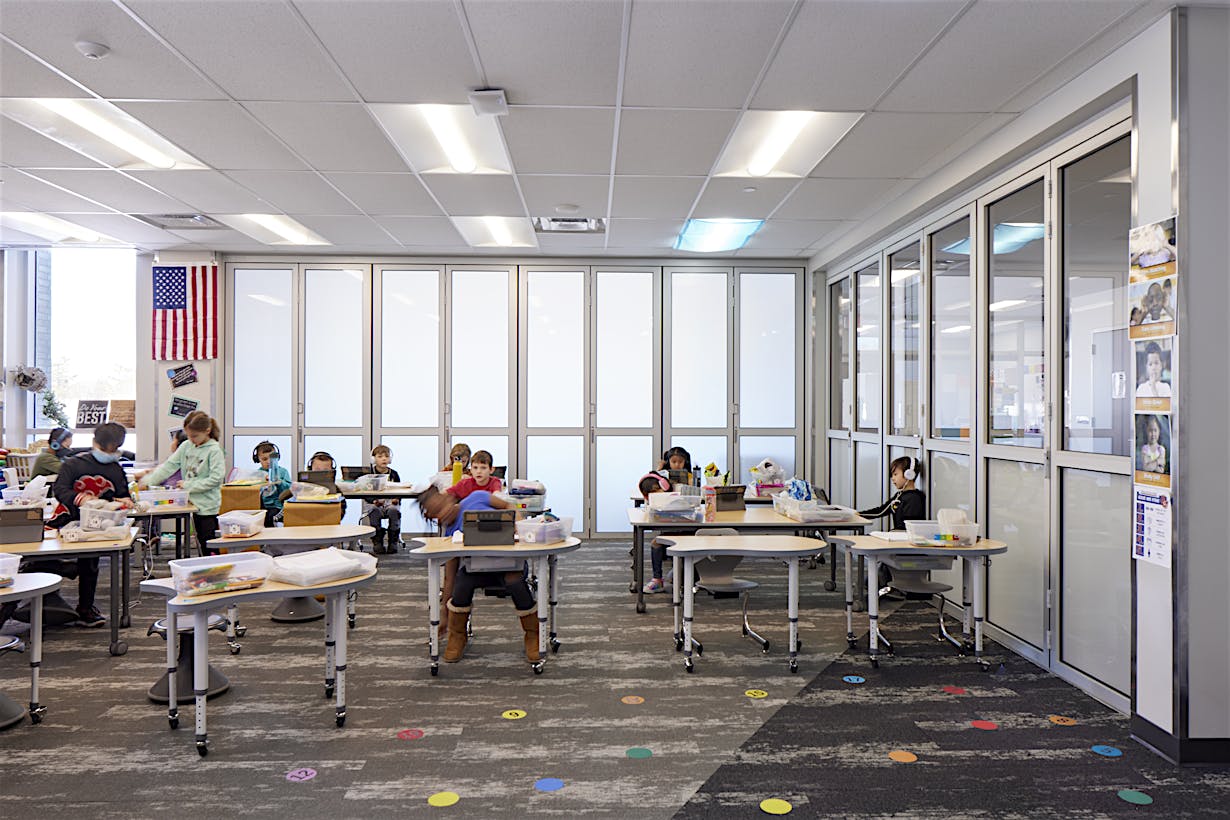
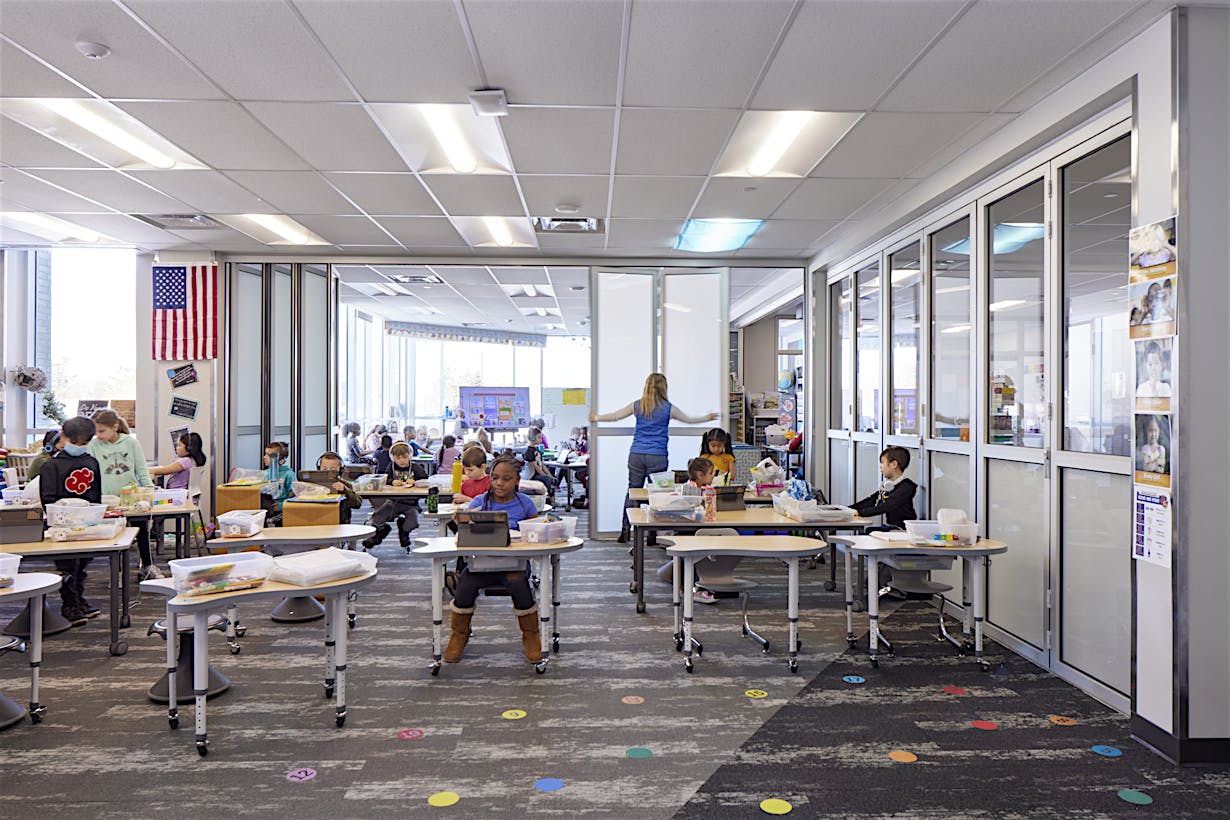
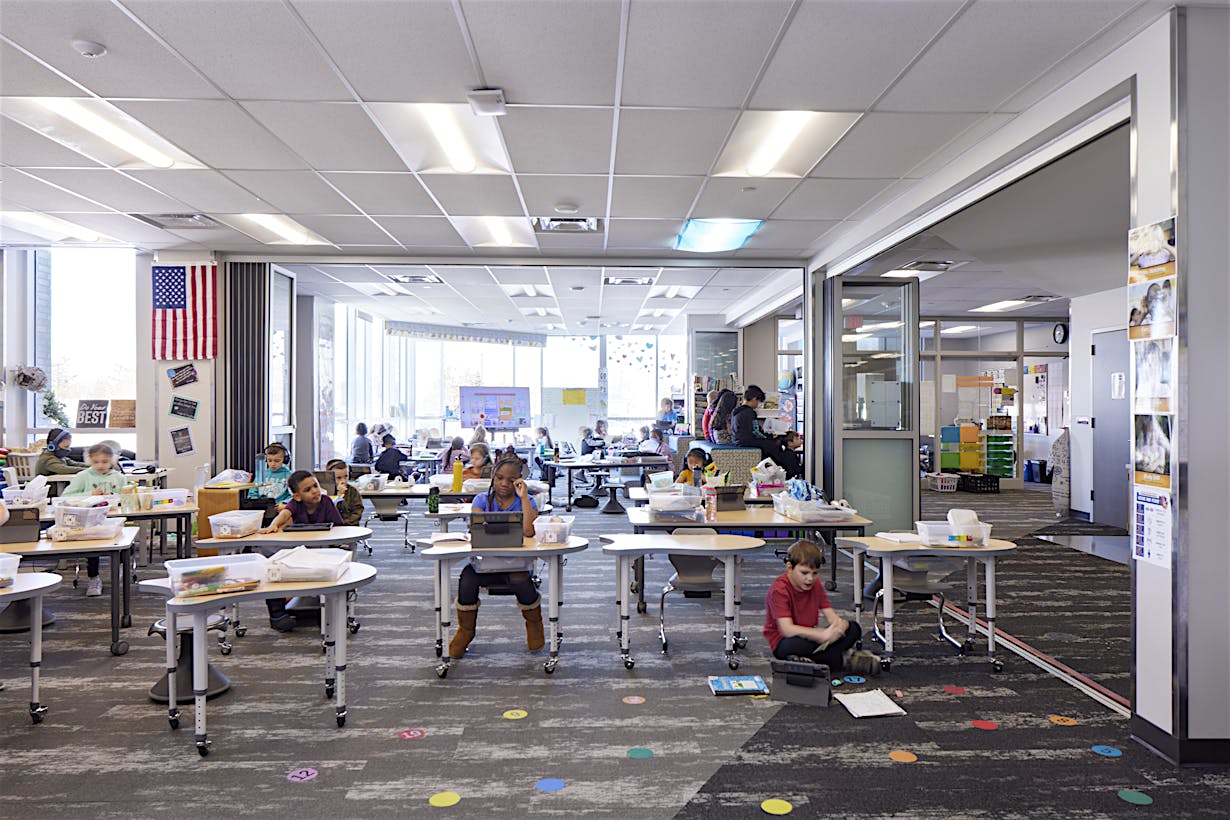
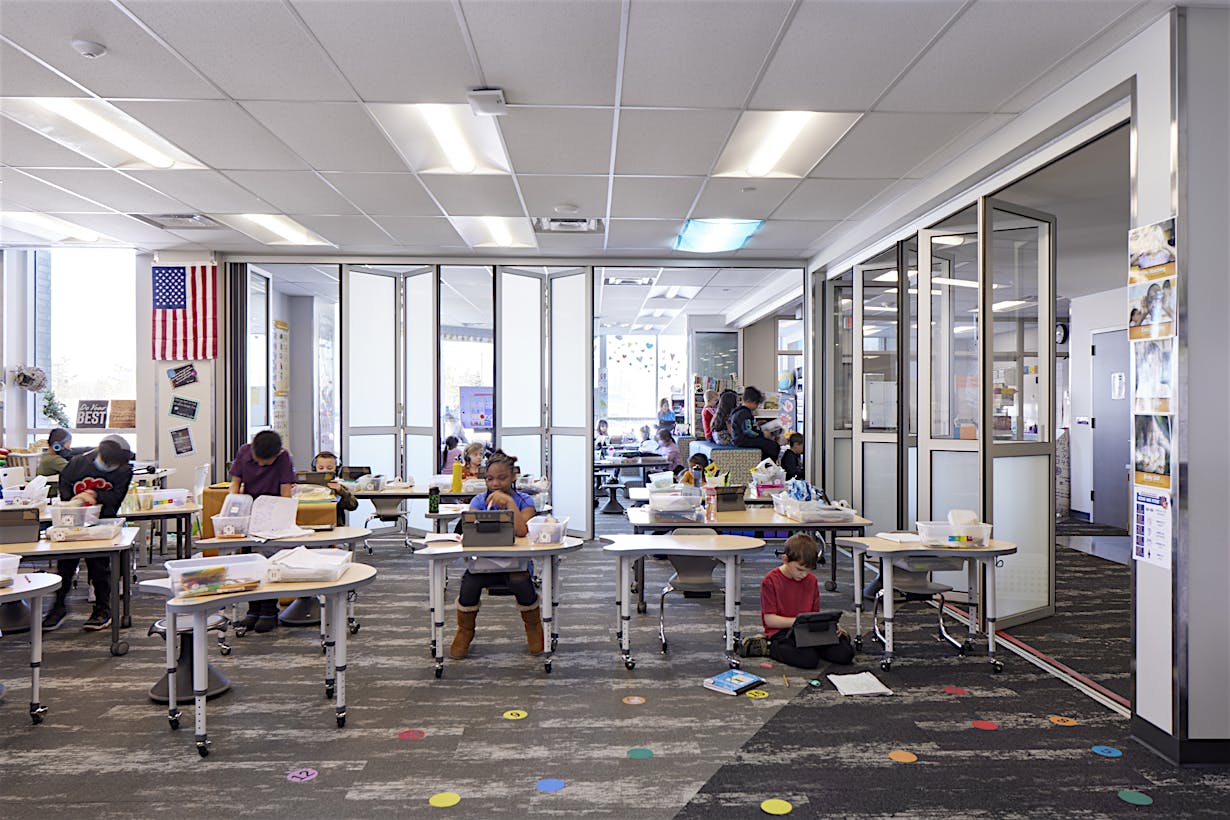
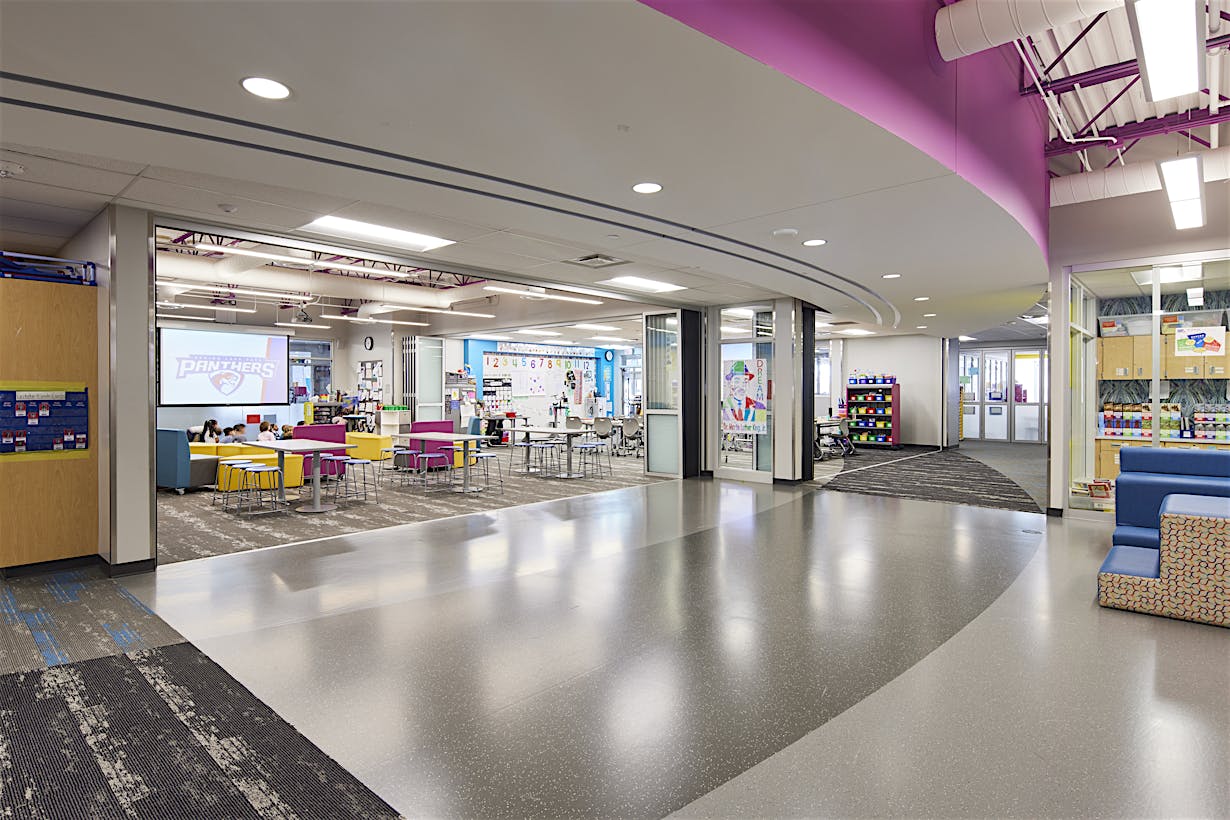
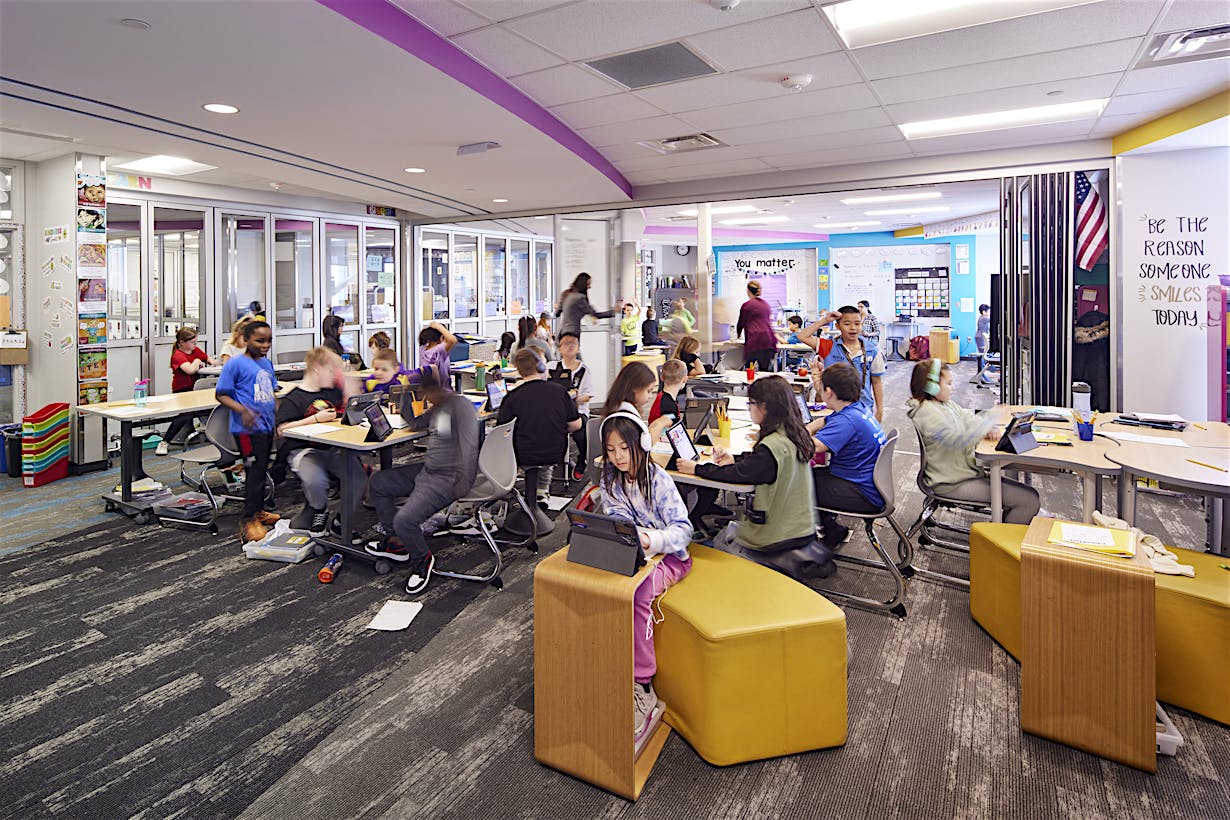
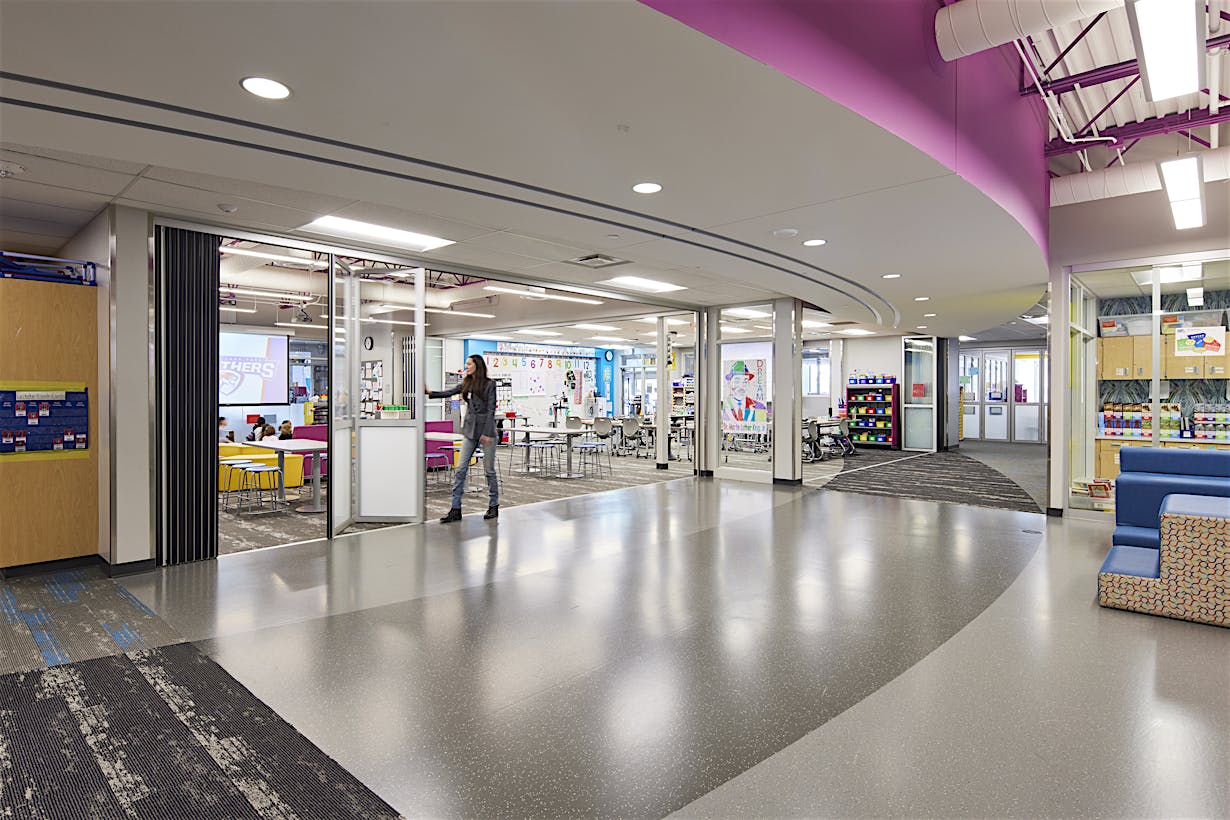
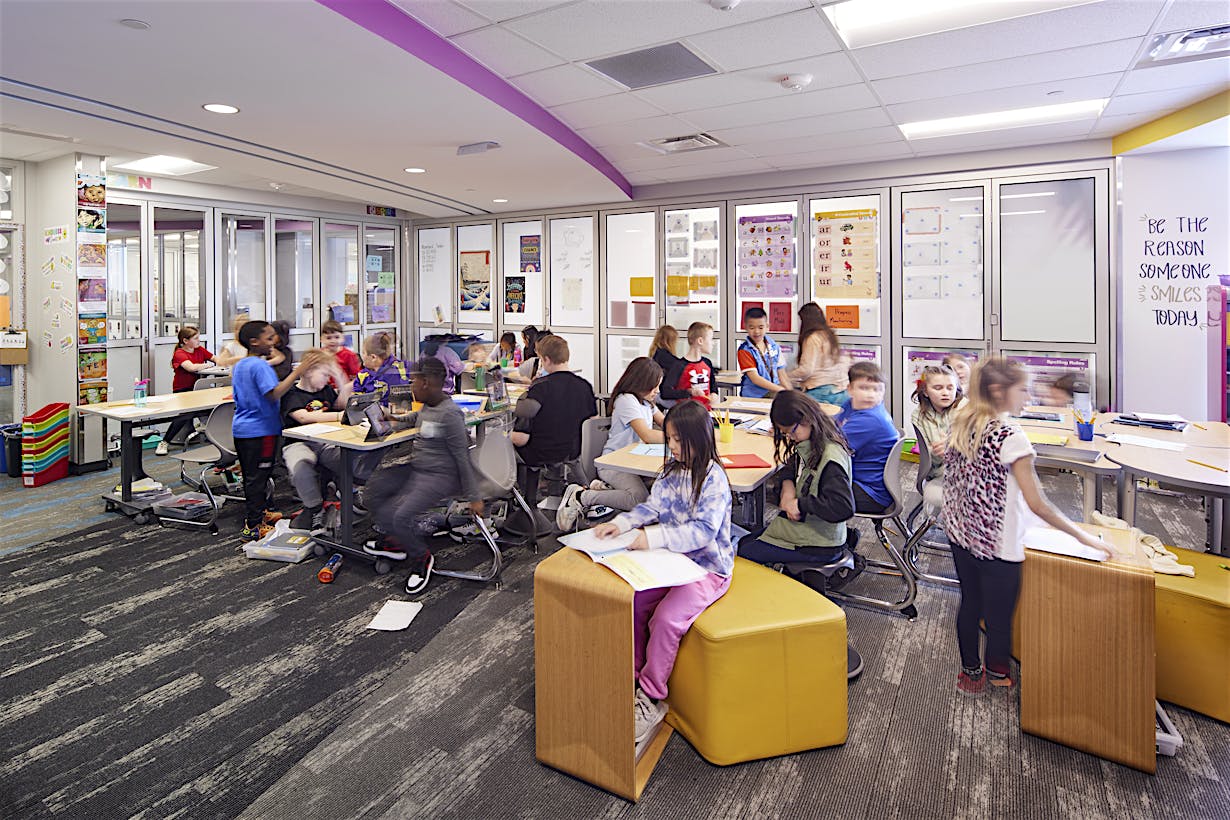
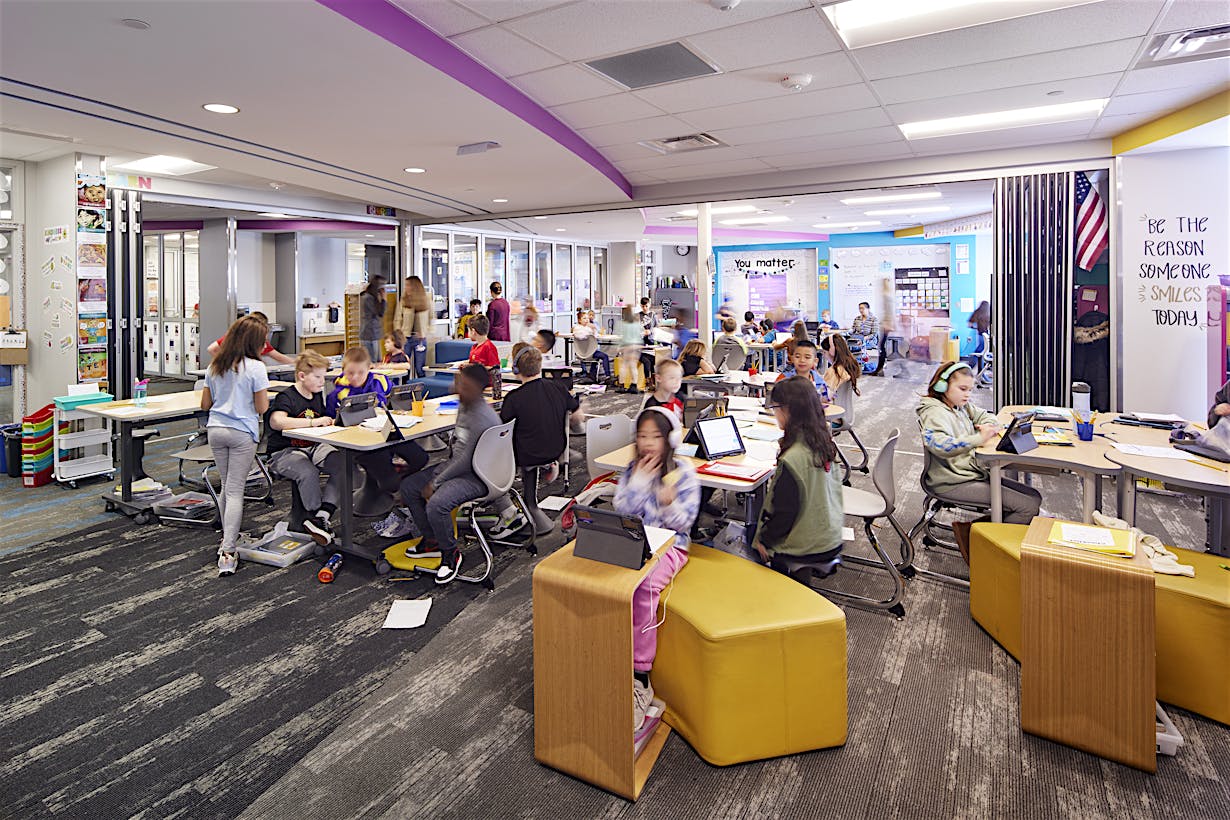
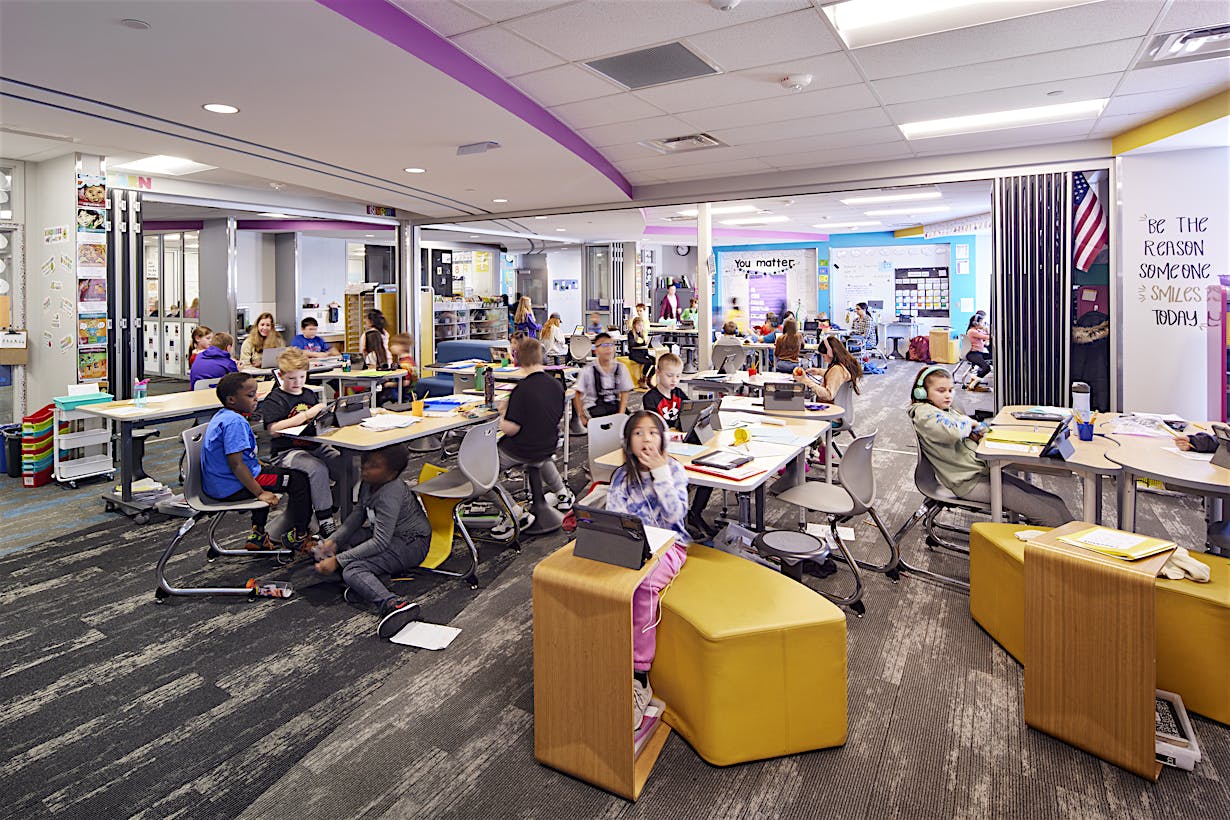
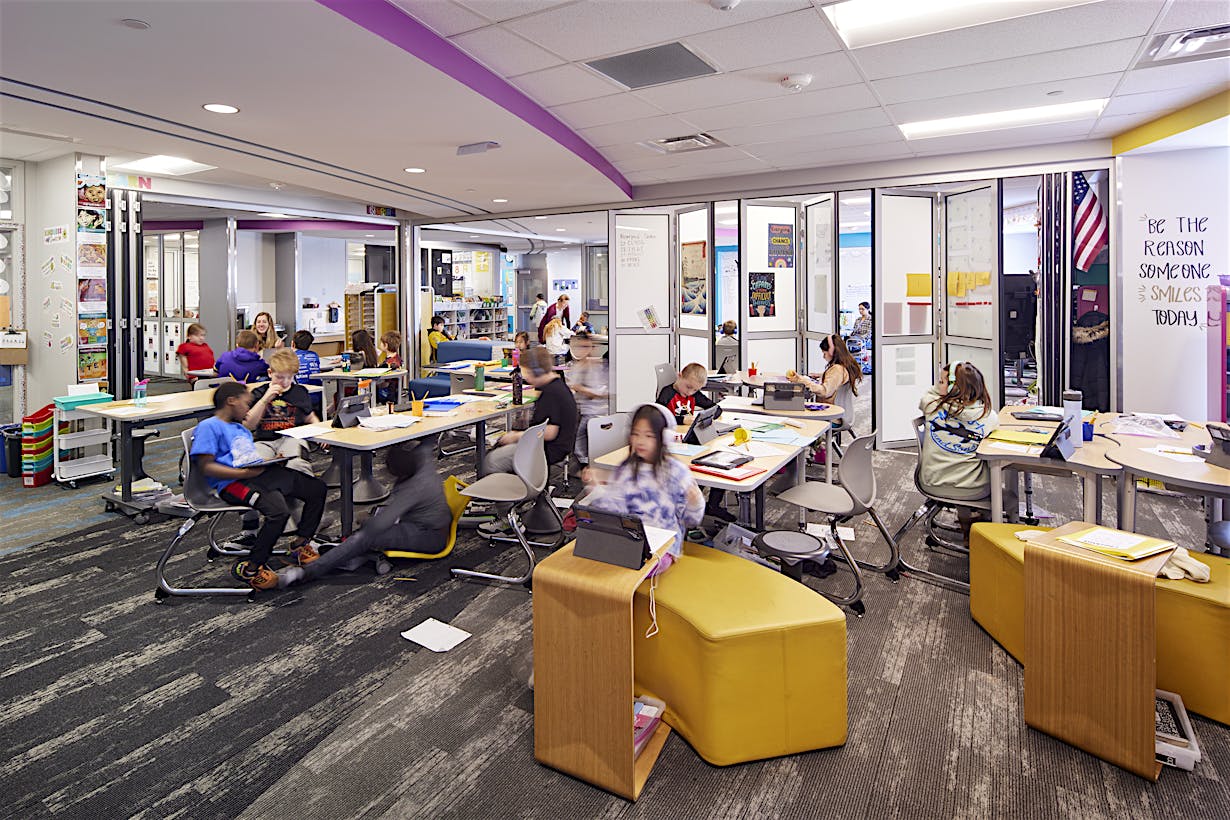
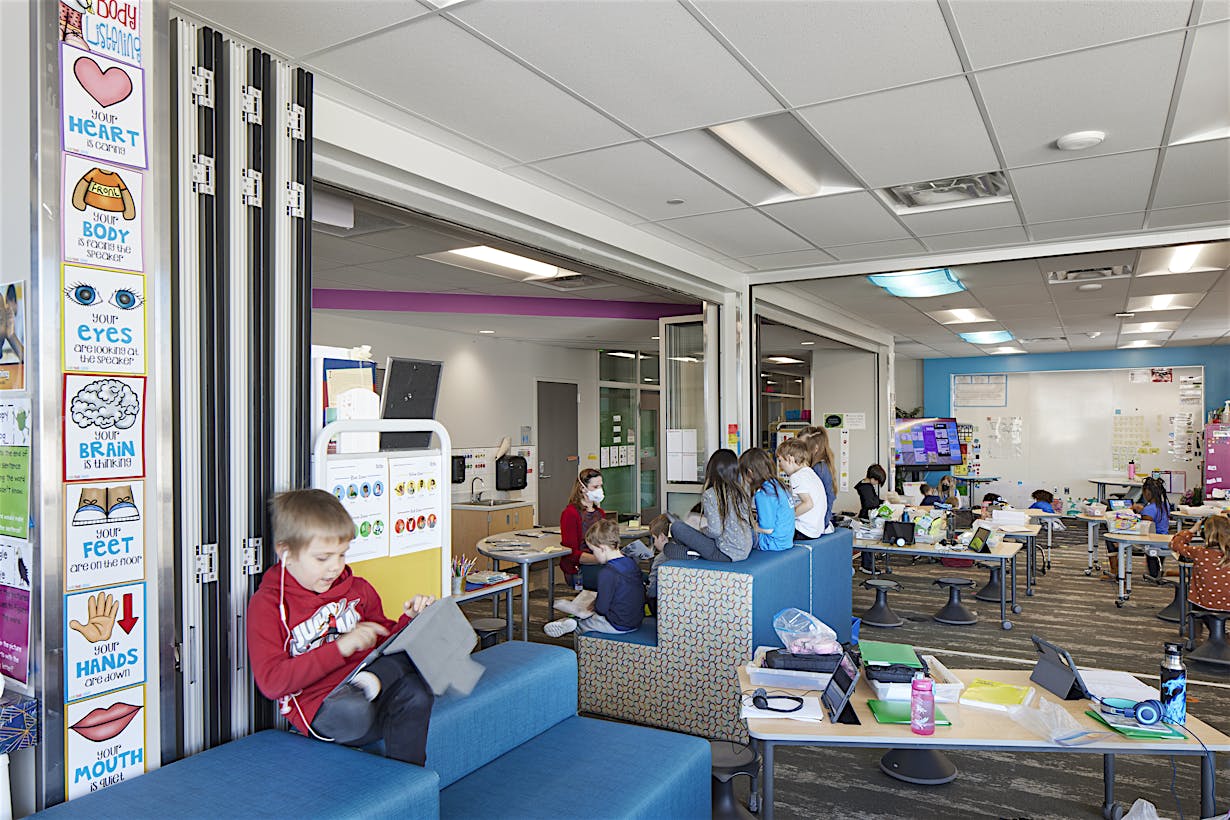
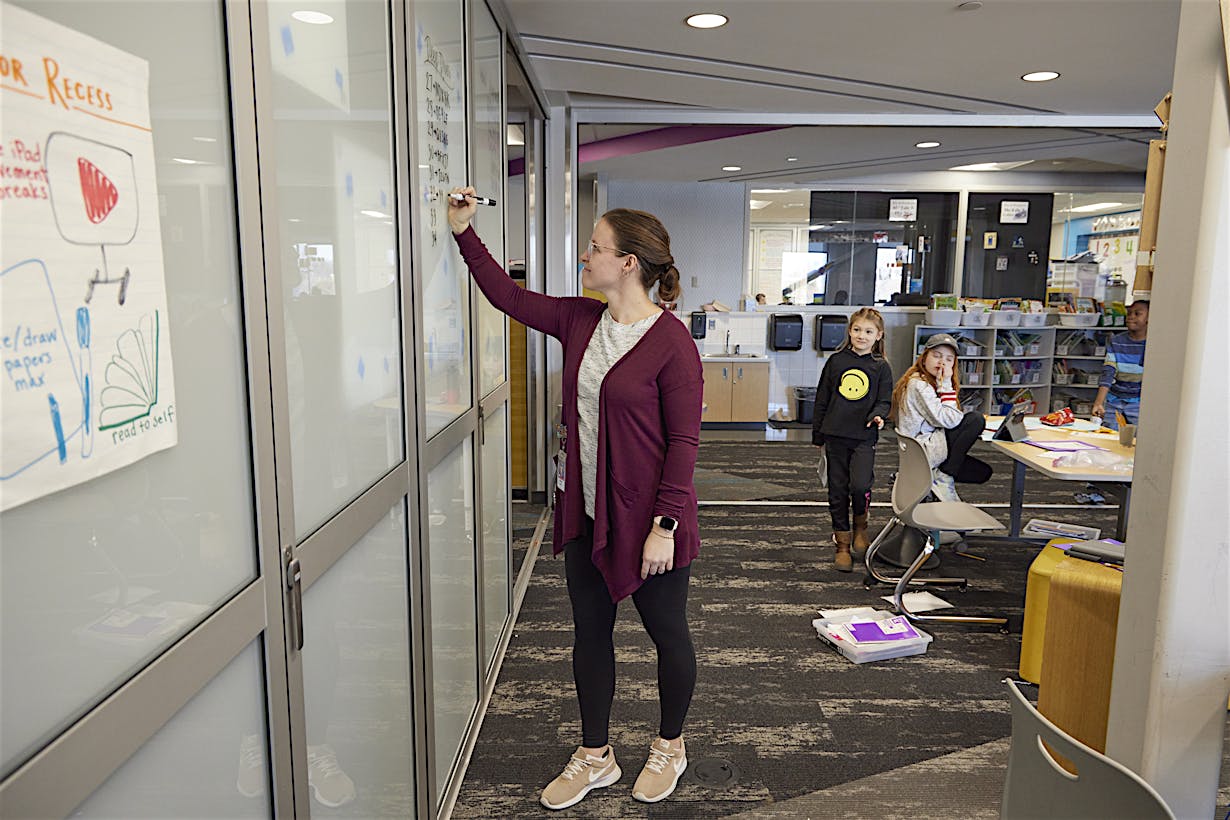
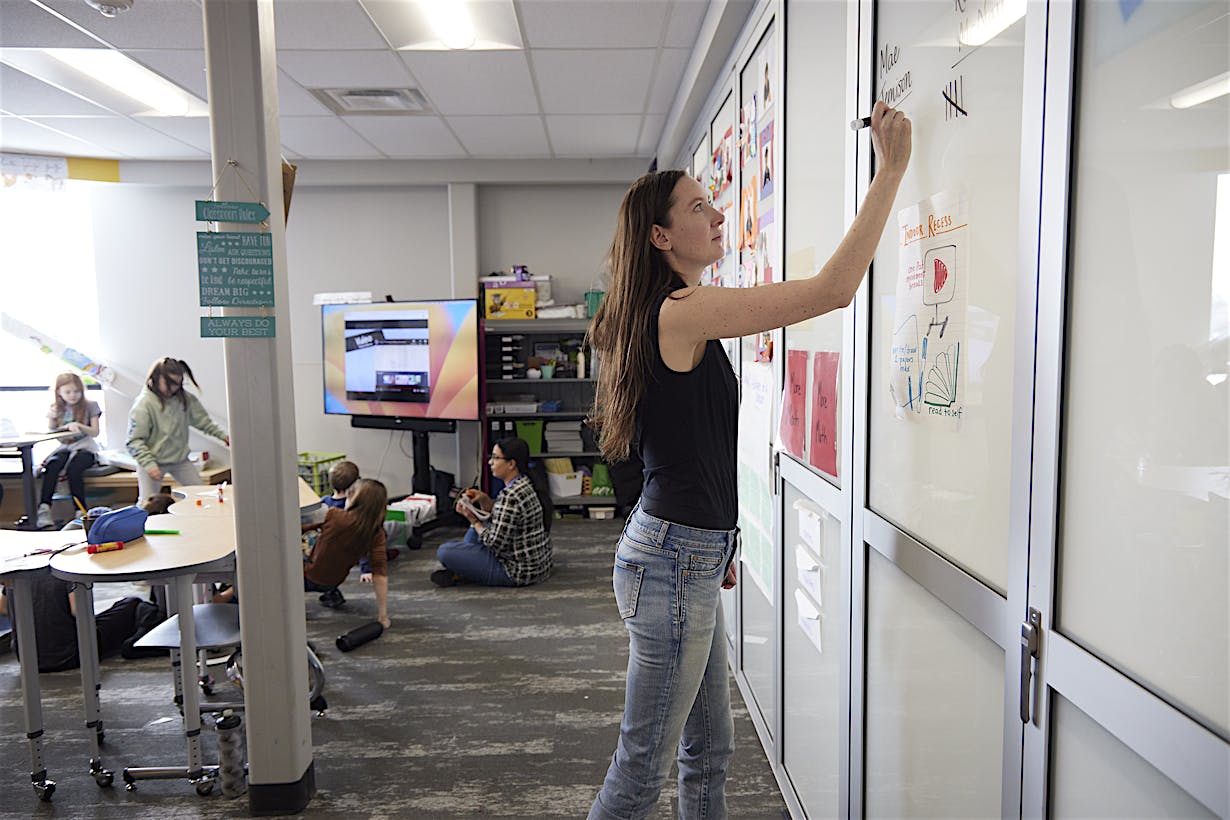
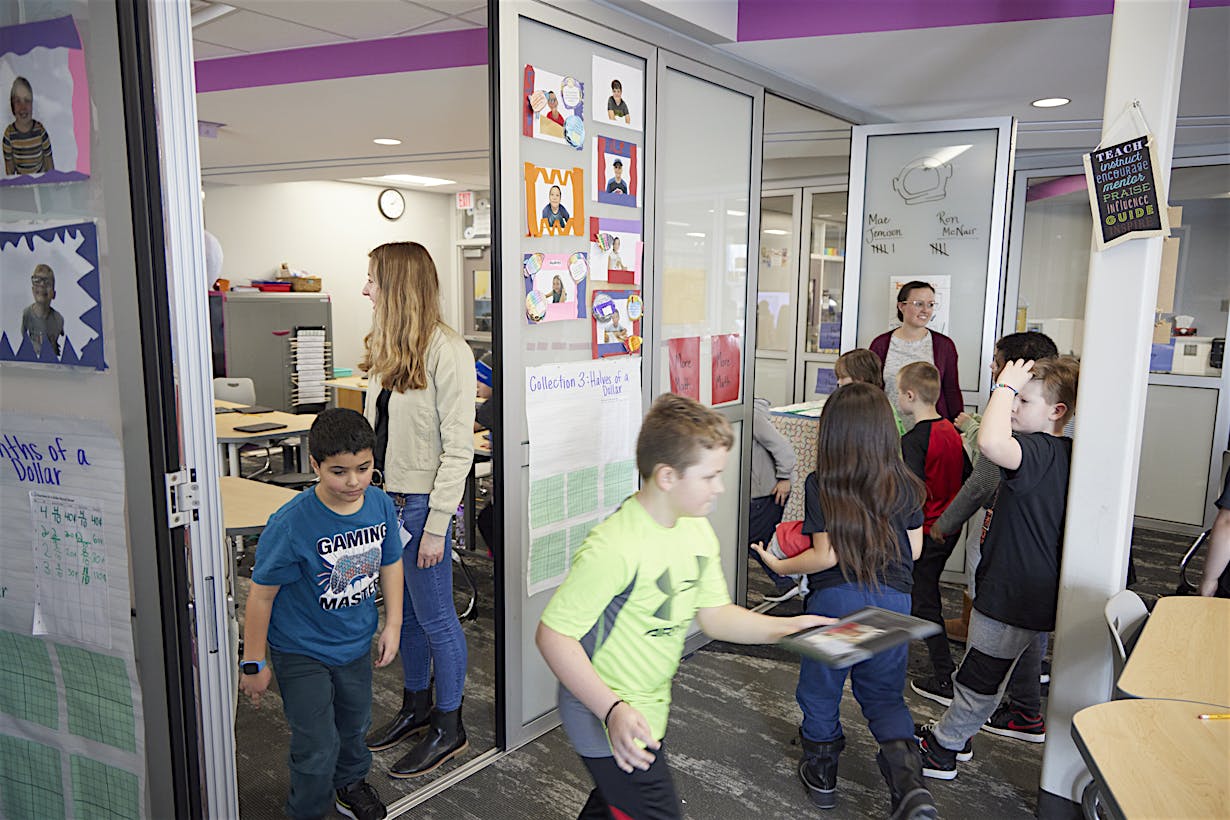
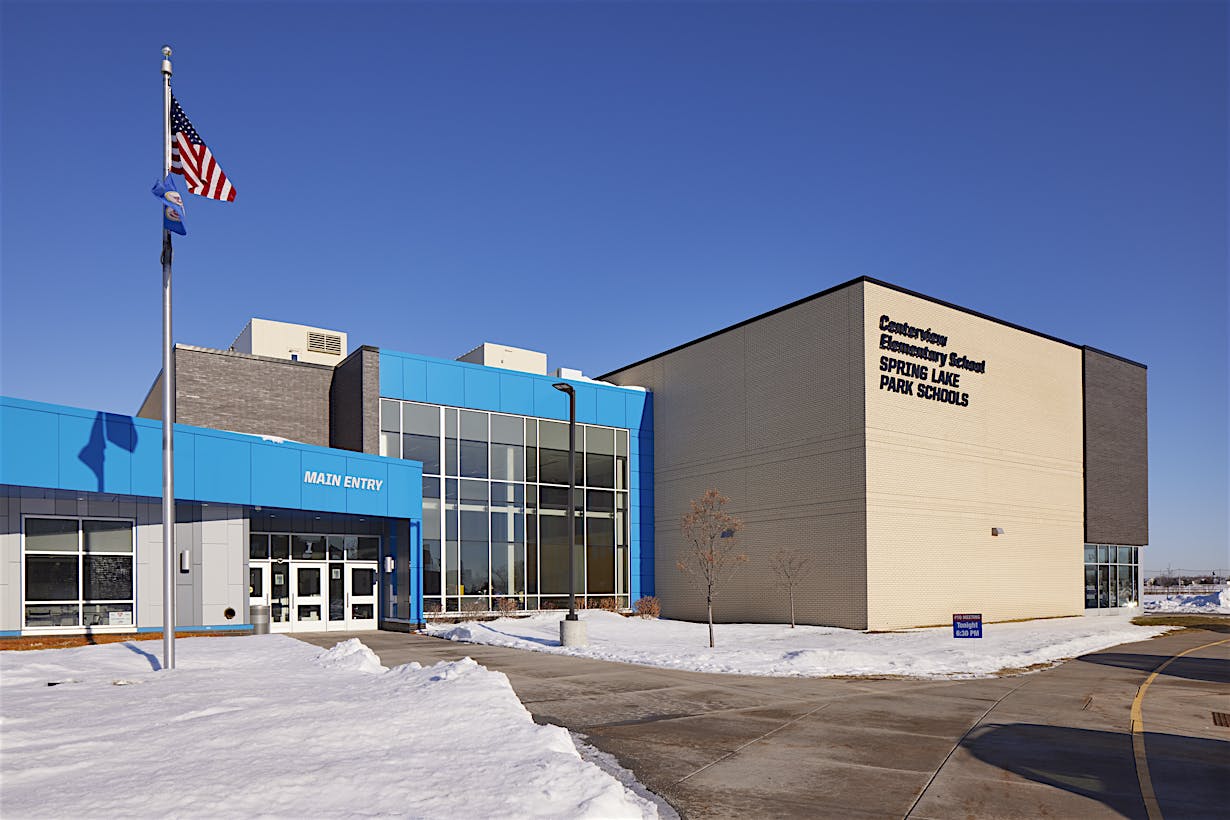
Centerview Elementary School
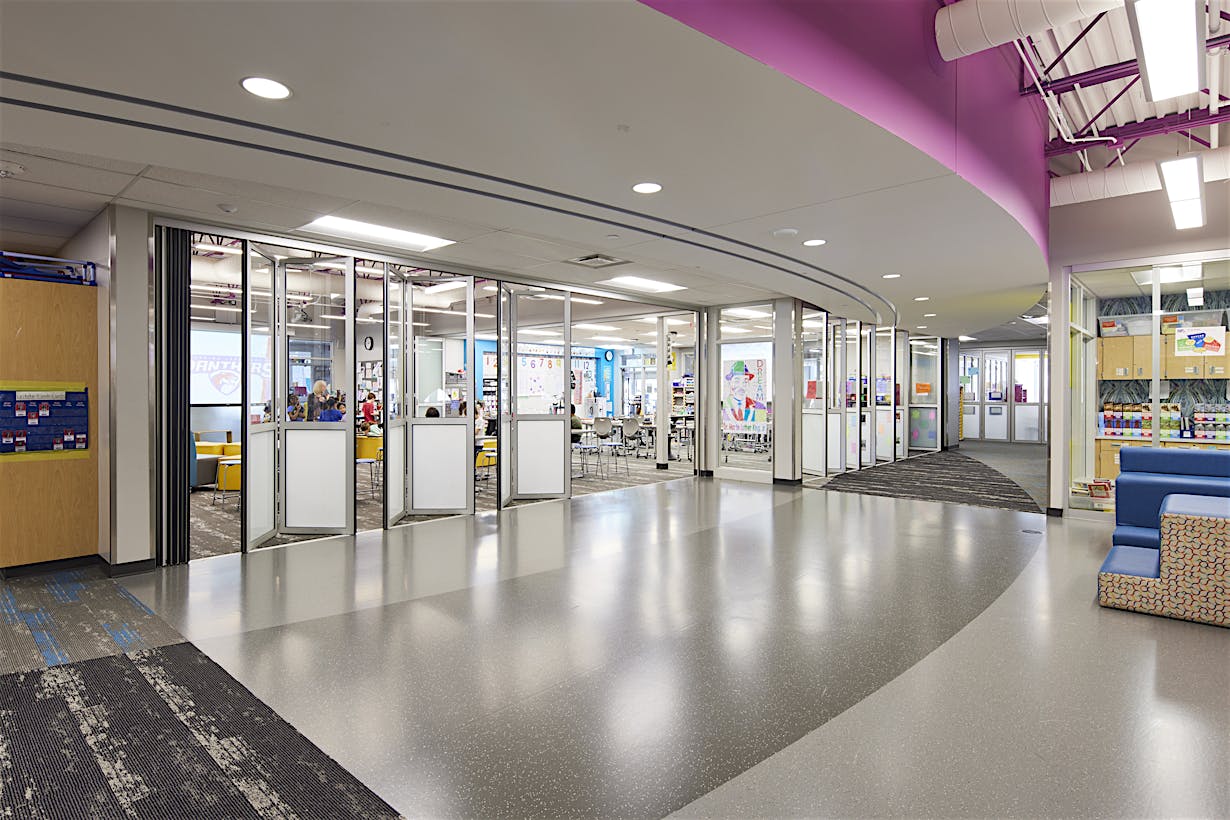
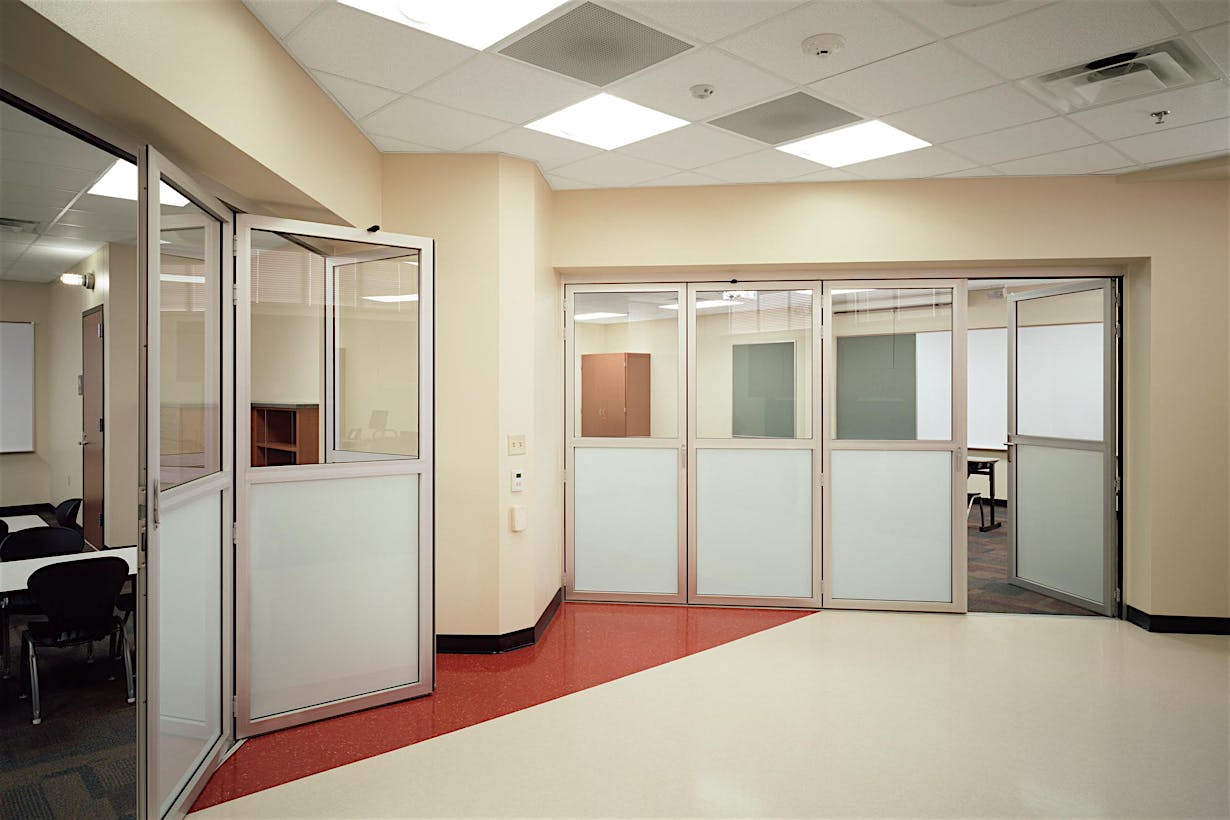
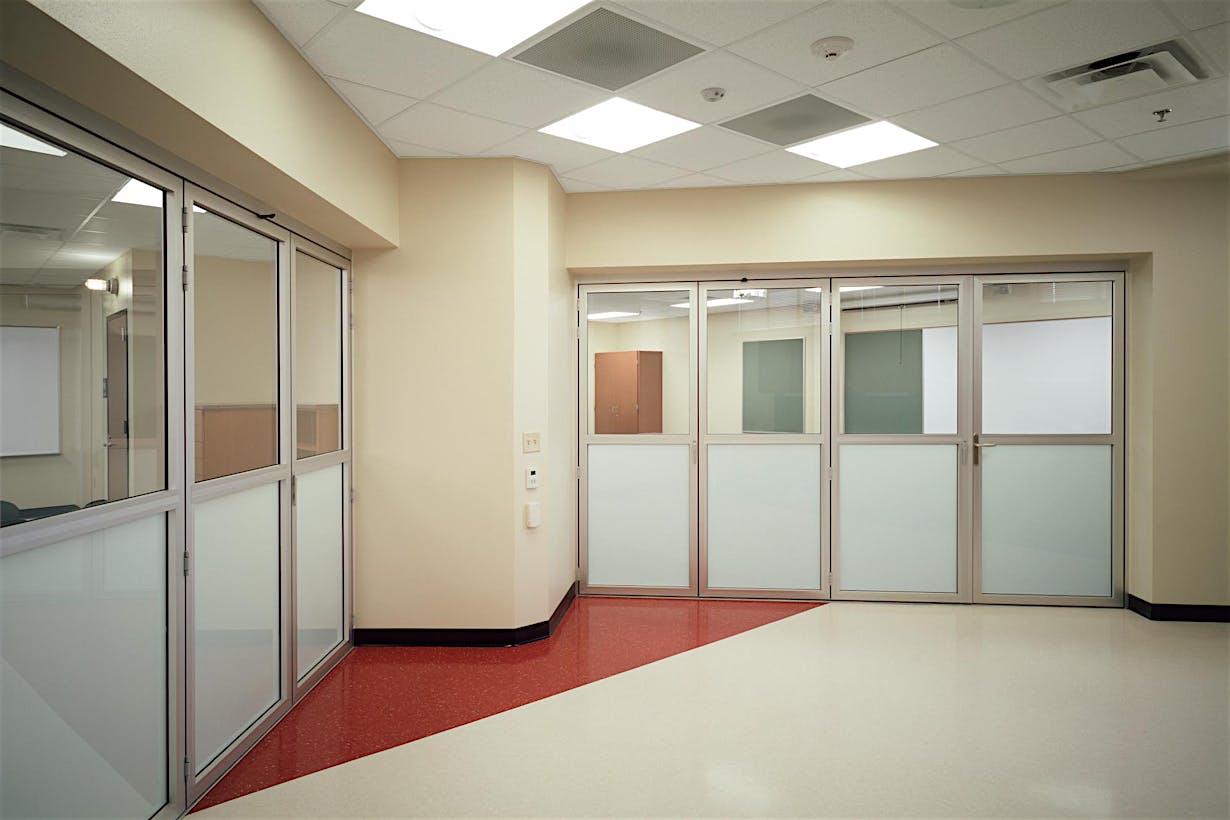
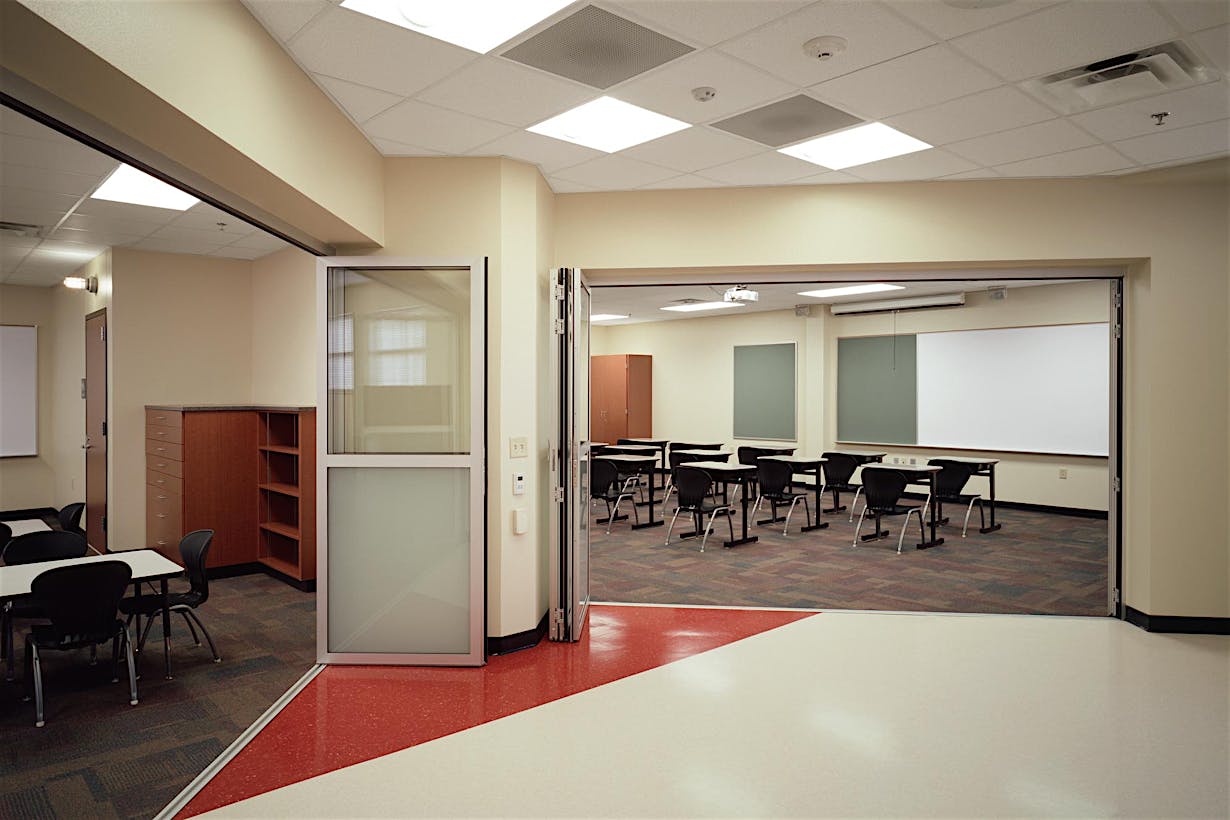
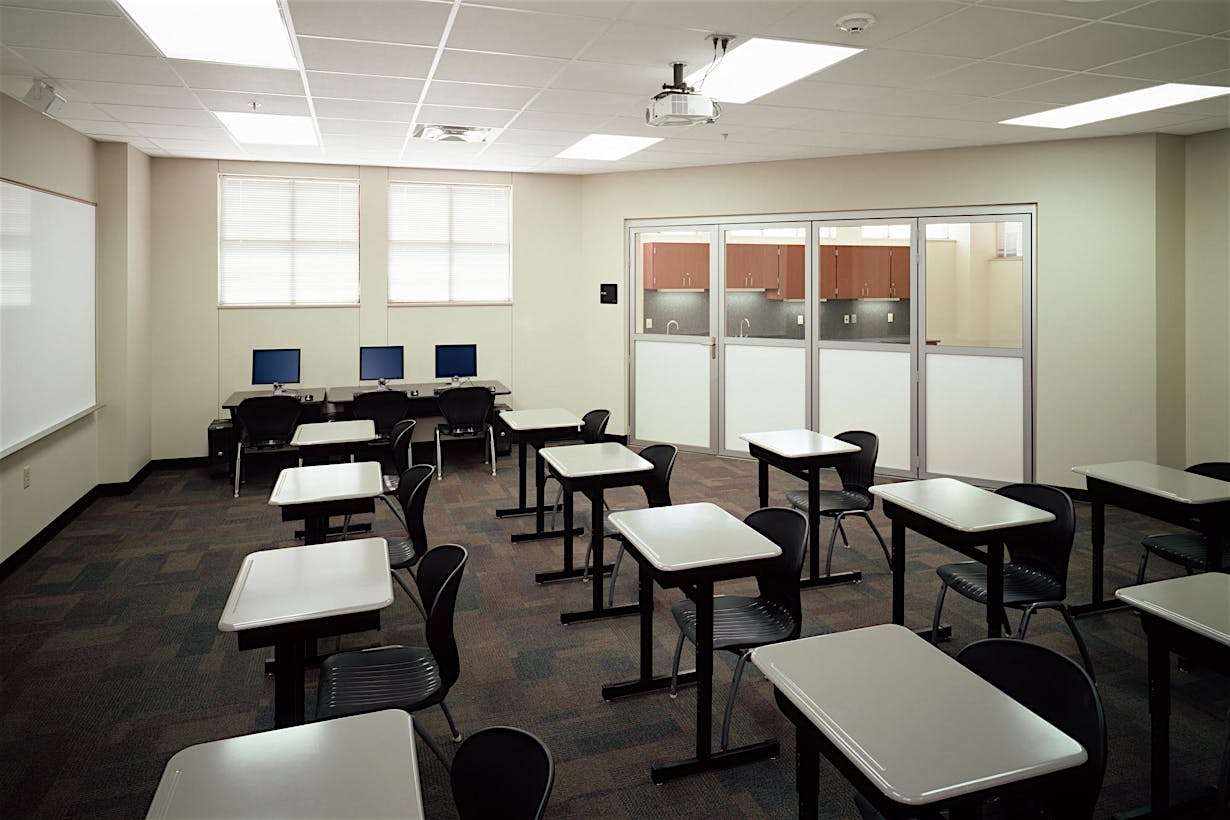
This elementary school uses NanaWall systems to create flexible spaces that adapt to diverse learning styles and teaching needs.
Granger Elementary
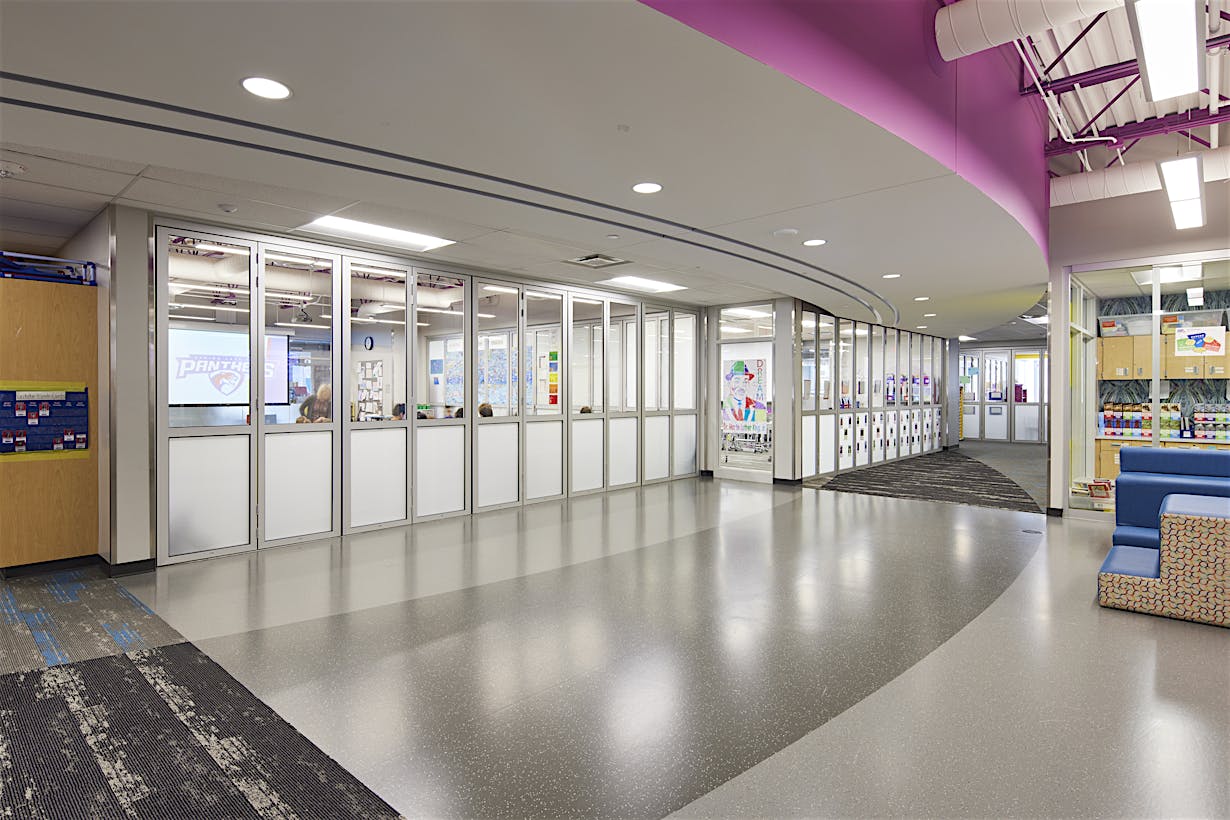
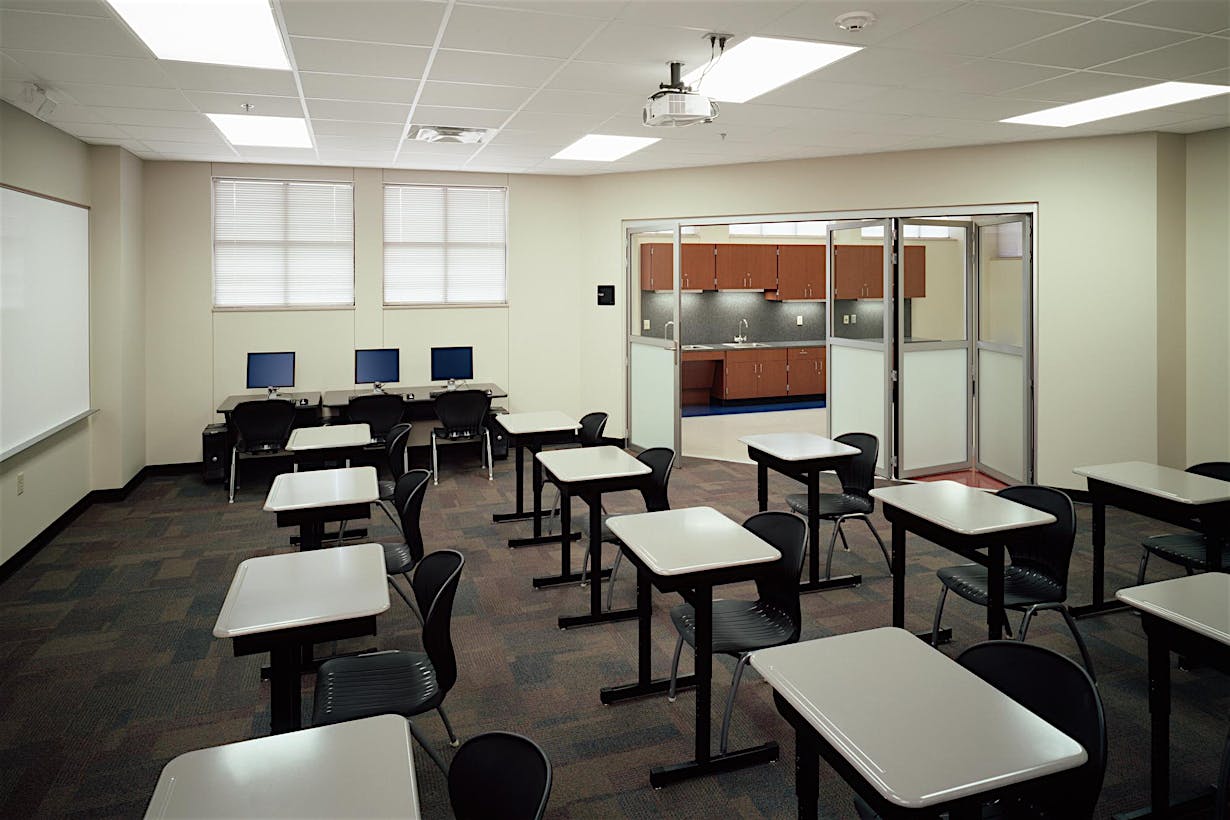
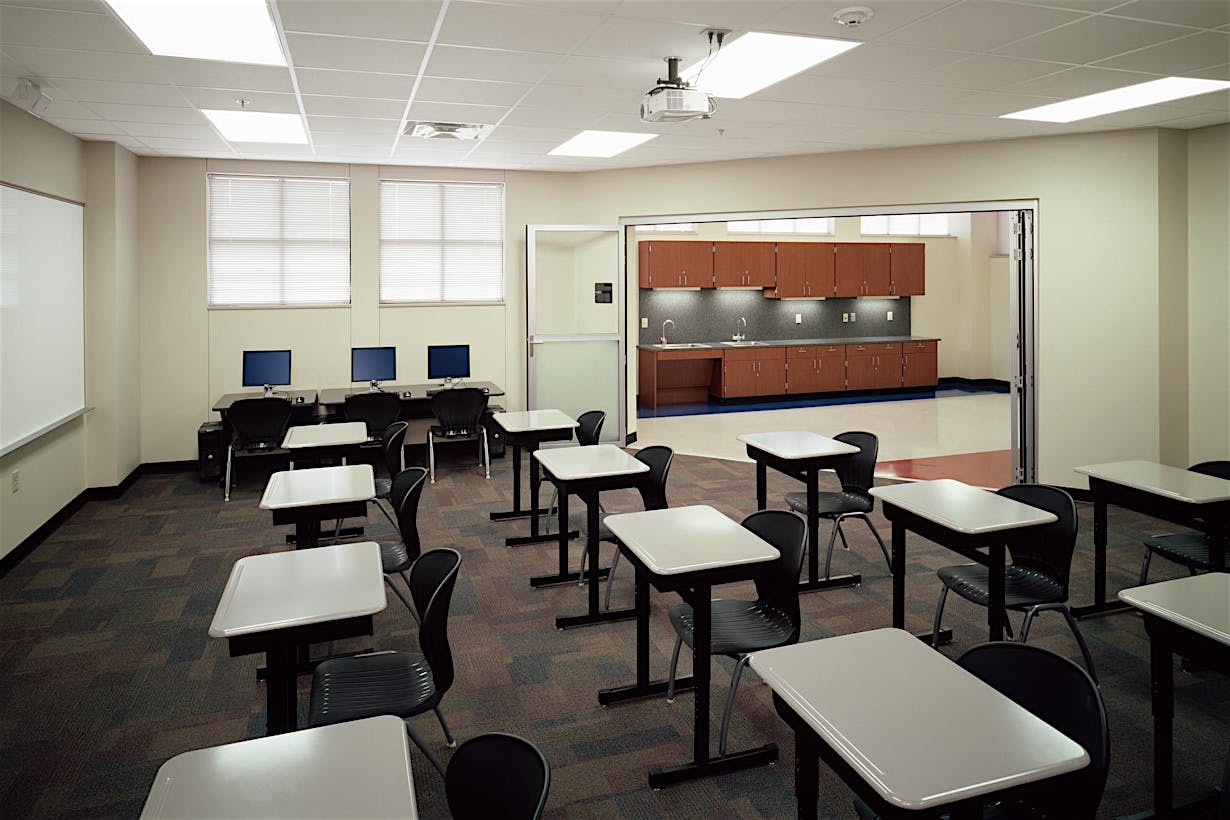
Texas Association of School Boards needed a solution to modernize its elementary schools without costly additions. The resulting NanaWall FlexSpace has increased classroom flexibility allowing for varying classroom sizes and requirements.
"This flexibility allows teachers to access shared resources and adapt spaces for small and large groups, as well as project-based learning activities."
— Stuart Brodsky, Architect