
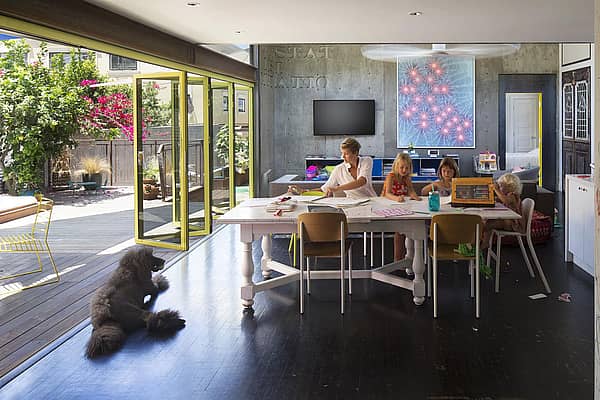
As research deepens, so does our understanding of how new generations learn. The modern classroom is undergoing a rapid transformation that requires adaptive, forward-thinking design strategies to support a variety of teaching styles and the diverse needs of student populations. This new model has emerged in classrooms from Pre-K through 12 with the same end goal for learners.
Operable glass systems provide a dynamic solution for educational spaces. They align with today’s evolving teaching methods and adapt to the needs of modern learners. Beyond the functional versatility, movable glass walls offer clean, contemporary aesthetics, slim and unobtrusive profiles, and versatile configurations that cater to the evolving needs of students and educators alike.
Adaptability: Designing for Dynamic Learning Environments with Operable Glass Systems
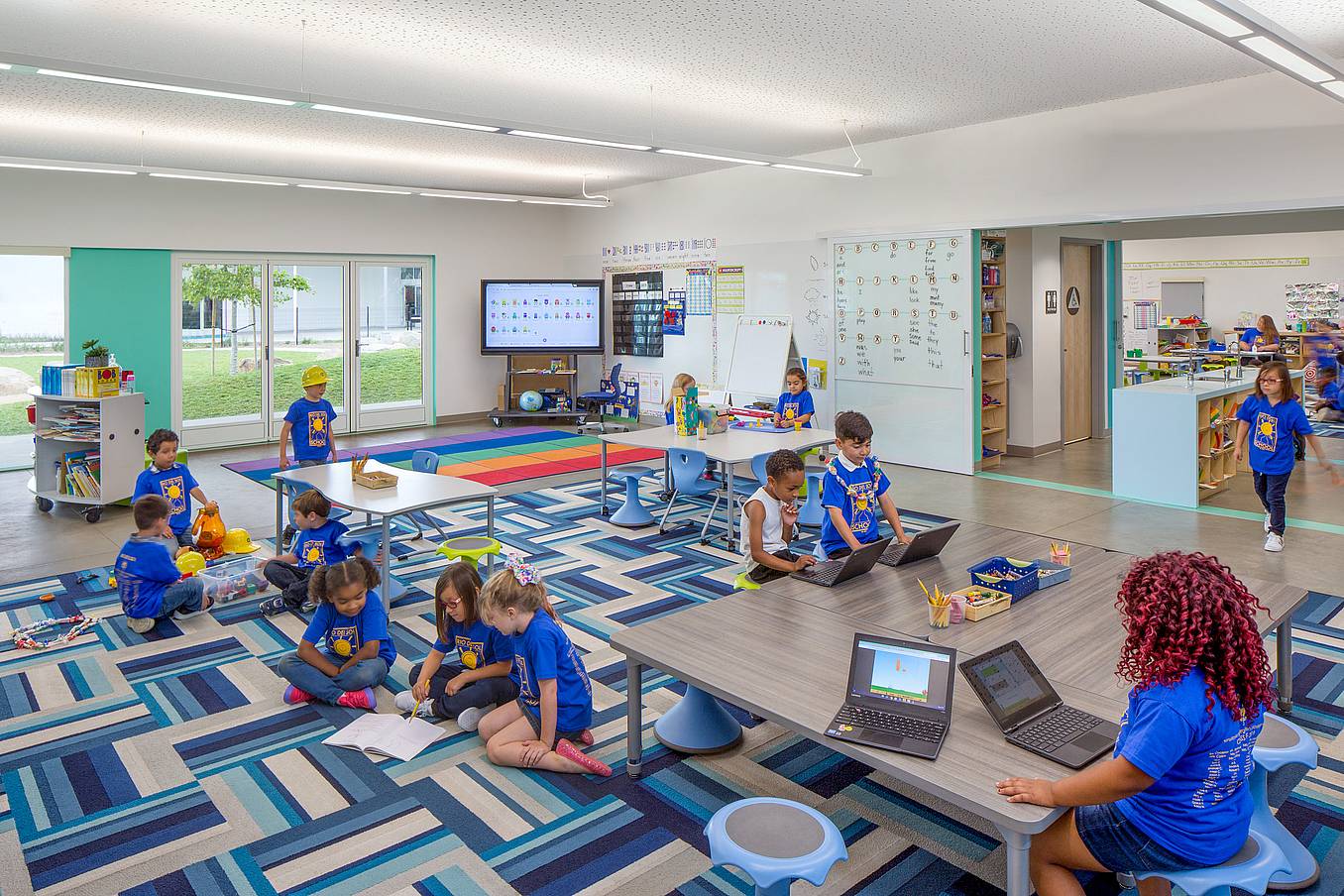
Today’s classrooms demand flexibility. Modern learning environments are designed to foster collaboration and discovery with open layouts that encourage teamwork and engagement. Meanwhile, enclosed spaces remain essential for small-group instruction, independent study, or one-on-one support. At the same time, schools must also account for large gatherings such as presentations, performances, and extracurricular activities that require expansive, uninterrupted spaces.
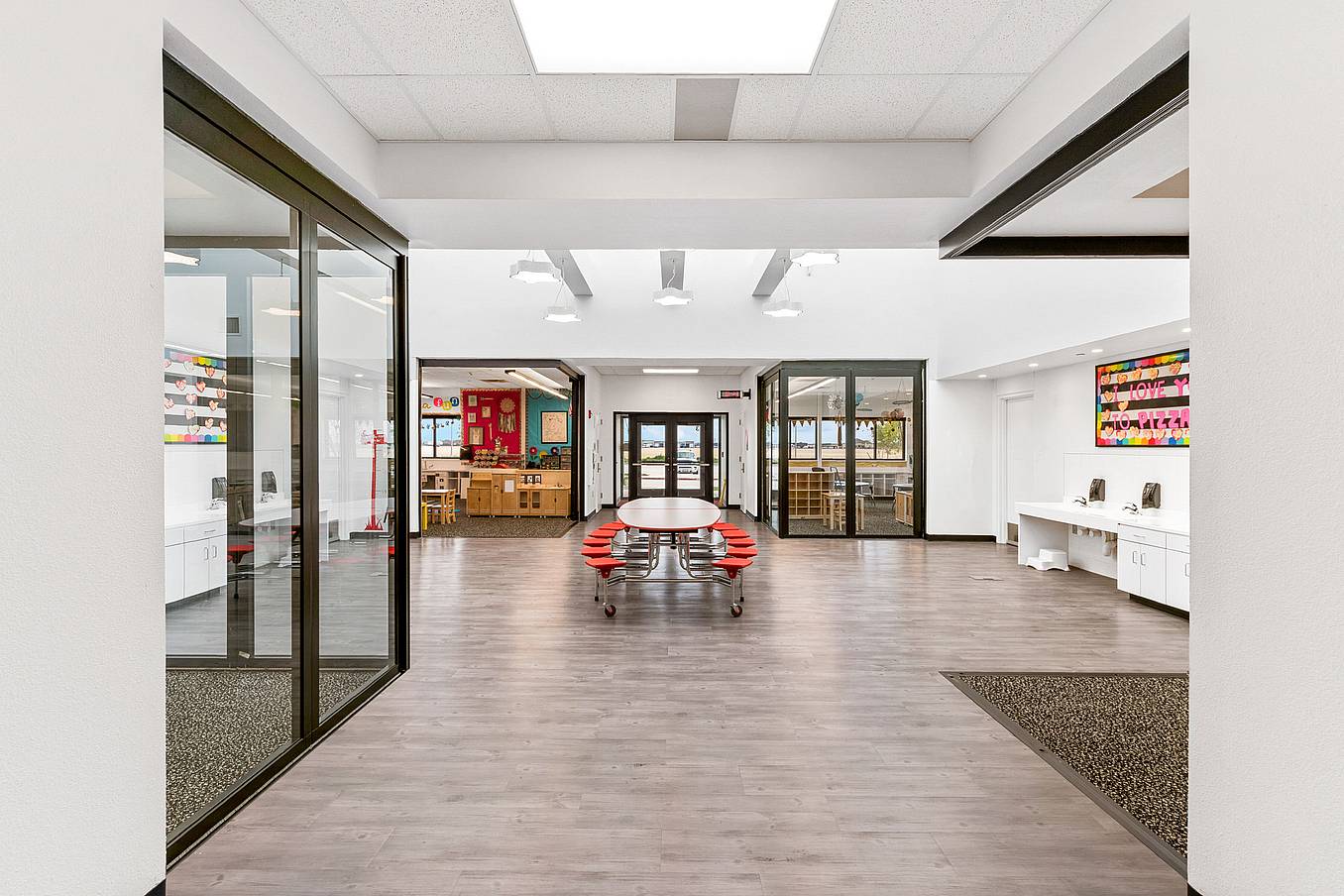
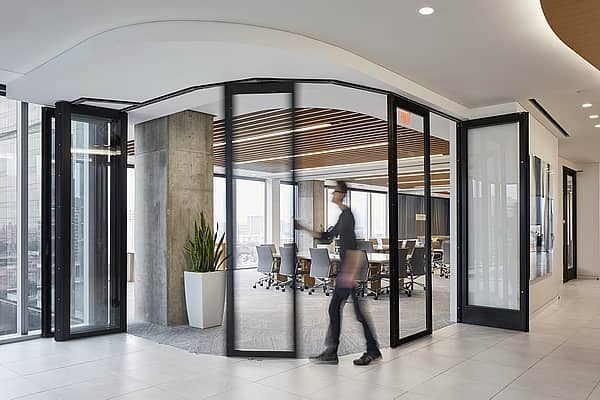
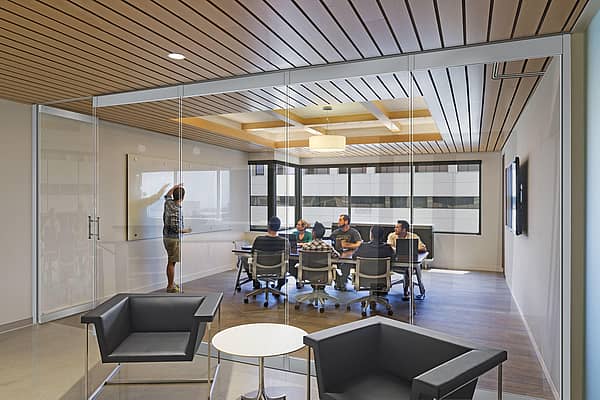
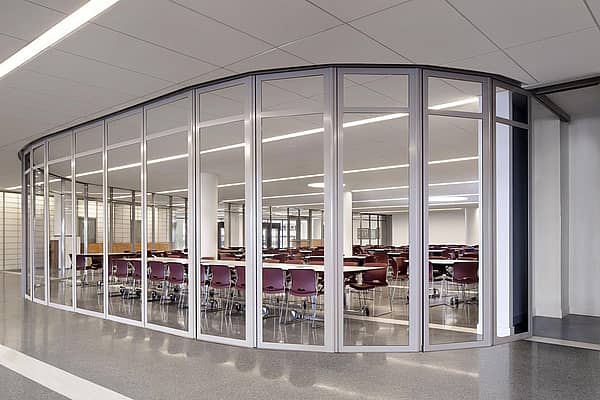
To meet these varying needs, forward-thinking educators and architects are embracing new spatial strategies, including operable glass wall systems, to enable this adaptability possible. With advanced technology, modern learning environments transition effortlessly. They can combine into a collaborative hub or shift into smaller, focused spaces, all without losing valuable floor area. One emerging approach is the “learning hub.” With clusters of classrooms surrounding a central common area, transparent folding partitions offer light-filled visual connectivity and acoustic separation when closed, allowing for quiet focus.
These operable glass wall systems also help schools maximize square footage, reducing long-term construction costs while delivering flexible environments that evolve alongside new teaching methods.
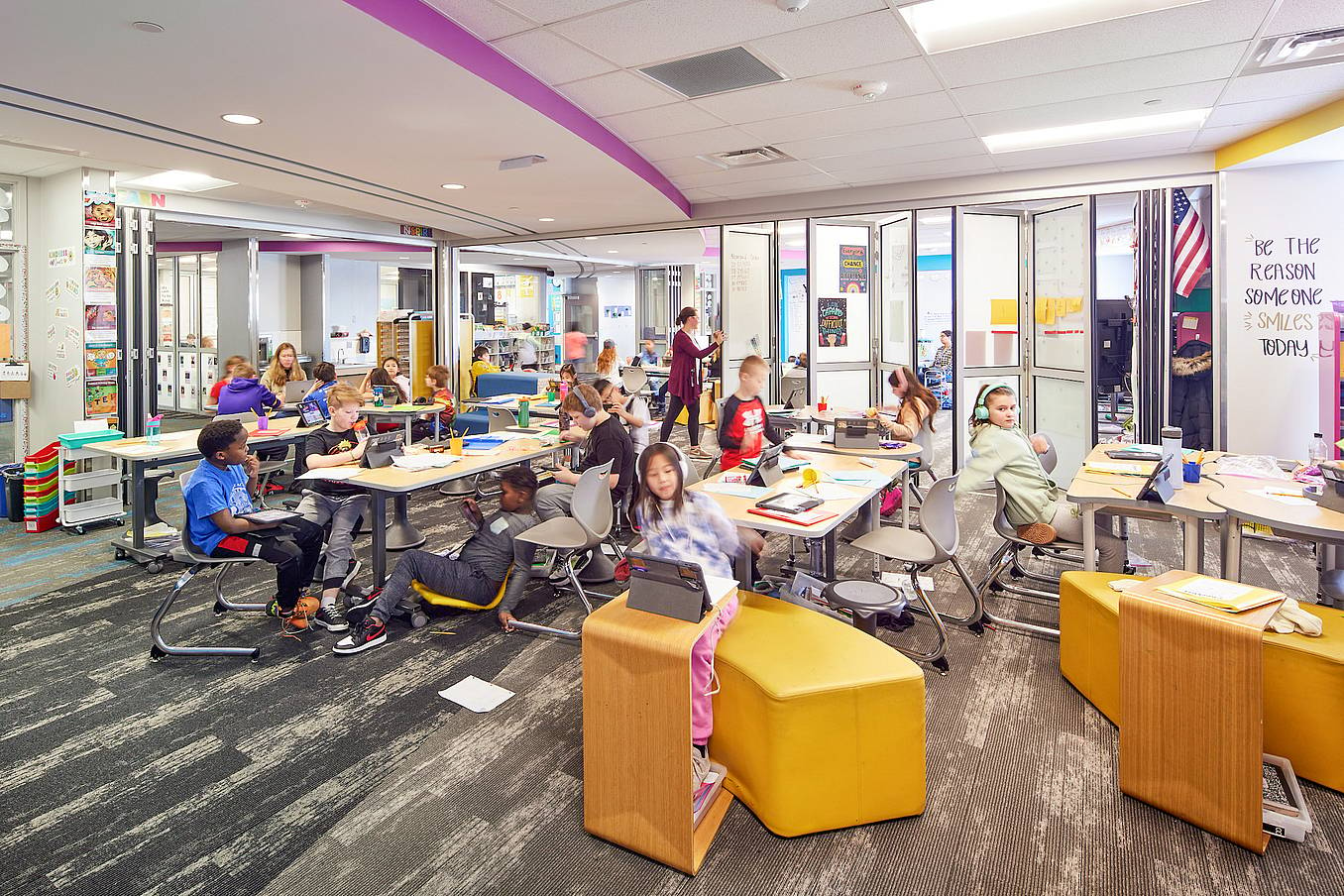
Support of the Active Learning Classroom
As the demands of the learning population shift, so too must their classrooms. A study conducted by Microsoft found that the average attention span of Gen Z individuals was approximately 8 seconds, 4 seconds less than that of the prior generation. In response, modern educators are adopting an active learning environment that fosters hands-on exercises, creativity, and student interaction over traditional, long-form lecture-based formats.
Active learning classroom design encourages curiosity and critical thinking. It also supports collaboration and participation in ways that traditional classrooms cannot. Movable walls extend this philosophy by supporting flexible layouts and encouraging learning through movement or teamwork. At the same time, with a simple push or pull, spatial arrangements shift with ease to enable varied teaching methods to support learners’ needs.
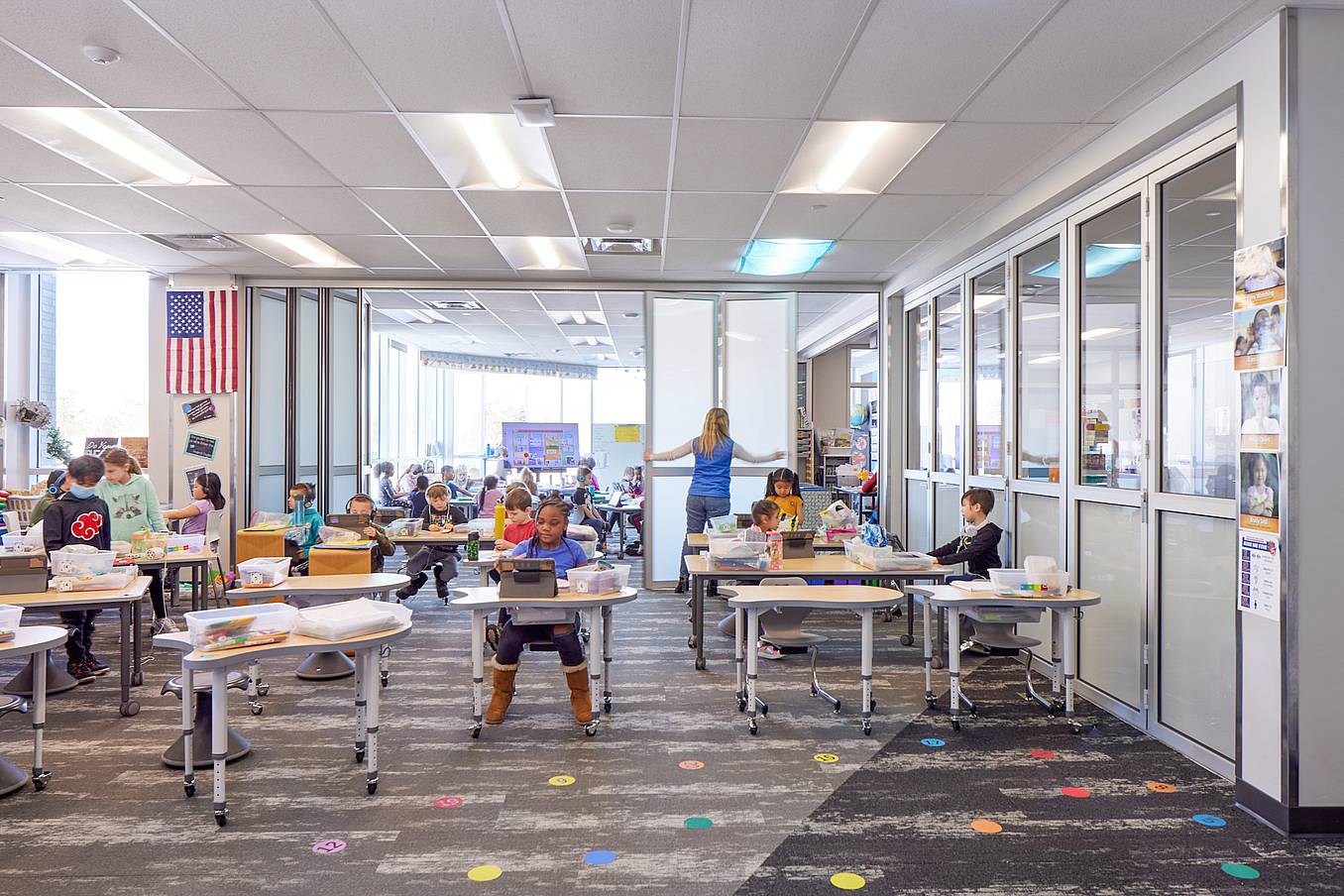
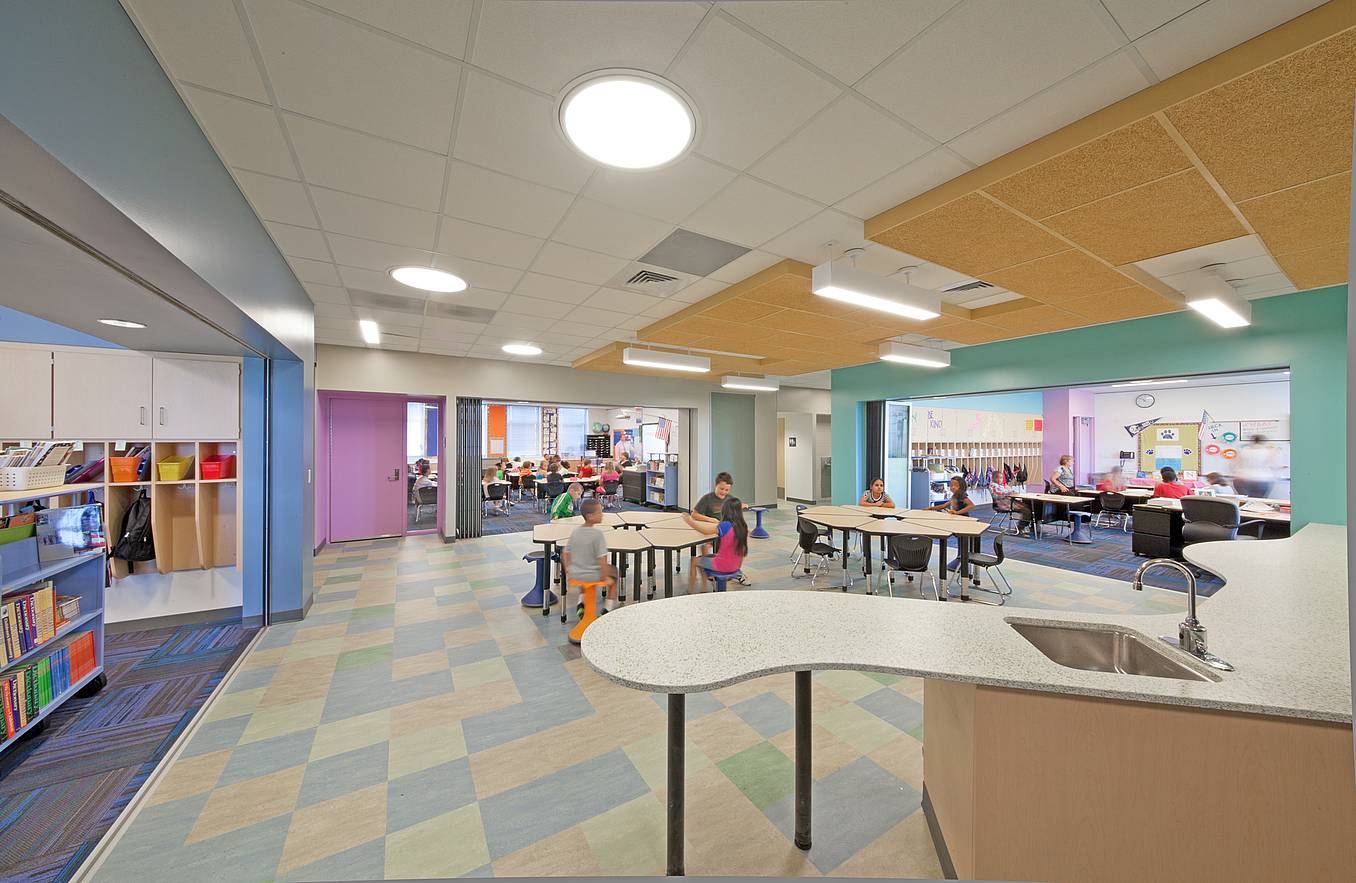
Just north of Minneapolis, Centerview Elementary School, designed in collaboration with Spring Lake Park School District and Wold Architects, embodies this approach. The two-story school was built around the principle of Innovative and Personalized Learning, designed to free students from the limitations of the 19th-century classroom model and prepare them for a 21st-century education. With flexible layouts and NanaWall operable glass systems, Centerview enables teachers to group and regroup students dynamically, tailoring instruction to different learning styles and needs. As Principal Mike Callahan described: “When kids walk into this building, they are enthused, they are excited. The space is modern, it is awesome, and it allows for a whole new idea of how they do school.”
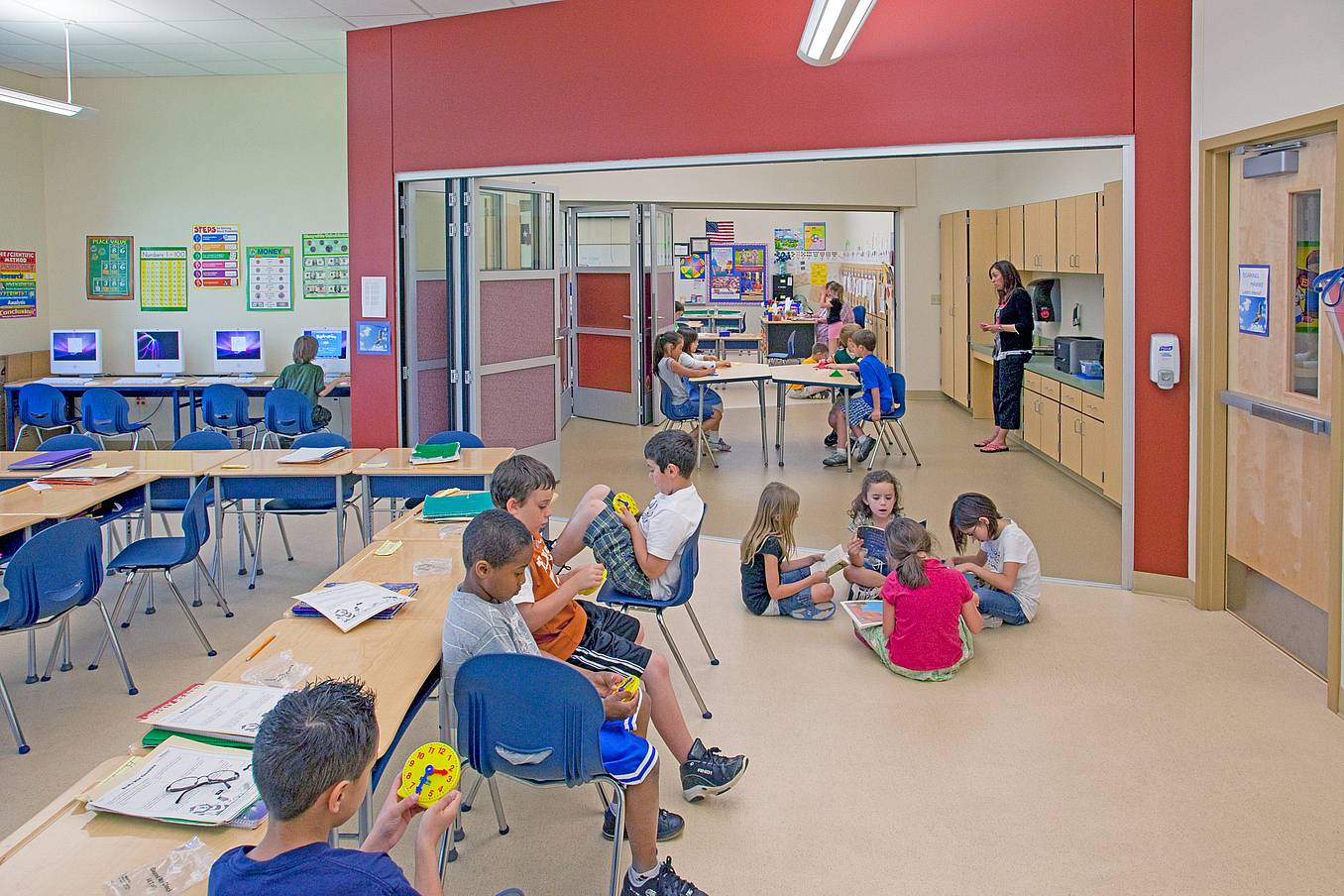
Solutions for Neurodiverse & Differently Abled Student Bodies
One of the most prominent shifts in education today is the move toward personalized learning, an approach that recognizes each student’s unique strengths, interests, and needs. By creating modern learning environments that adapt to individual learners, schools can serve students with additional support while enhancing the overall learning experience for all. In this way, inclusive design becomes a benefit for every student, cultivating environments where everyone can thrive.
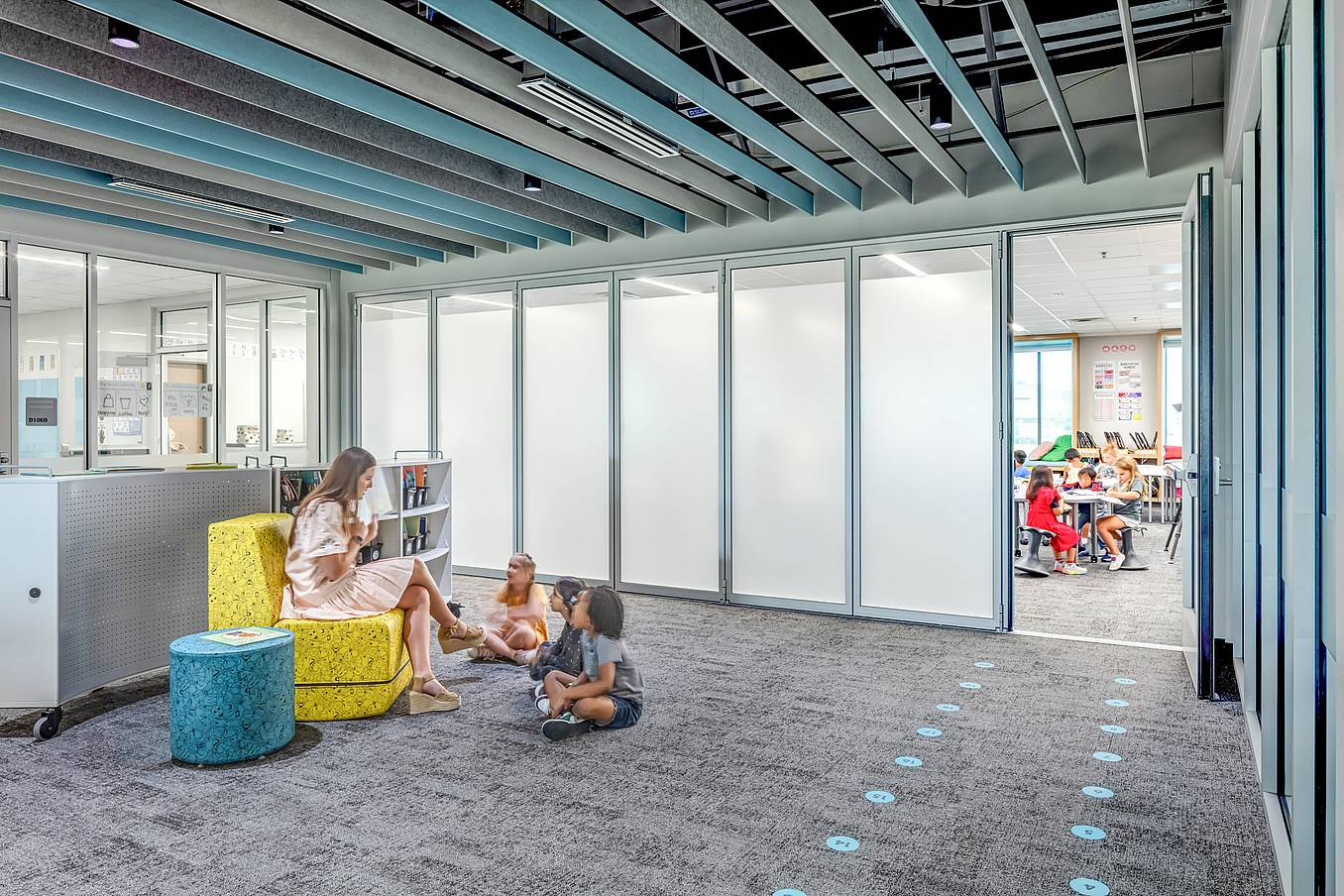
Operable glass systems are central to creating inclusive, student-centered classrooms. They provide distraction-free areas for individualized instruction while maintaining visual connection and inclusivity. Furthermore, glass wall systems can achieve up to a unit STC 45 sound control. This ensures that multiple classrooms or group activities can occur simultaneously without disruption for the growing population of learners diagnosed with attention disorders. Customizable design options, such as privacy interlayers or opaque glass surfaces that double as writable whiteboards, further support personalized curricula and creative learning exercises.
Physical accessibility remains paramount, with specifiers incorporating operable glass systems with thresholds that meet ADA compliance, improving circulation and making classrooms more welcoming for students of all abilities. By eliminating barriers and enhancing mobility, these systems create modern learning environments that are inclusive and functional.
Biophilic Advancements with Operable Glass Systems
Biophilia, our natural connection to the outdoors, has gained significant traction in the design of classrooms and educational spaces. Research indicates that when classrooms incorporate natural elements, students experience reduced stress, improved cognitive function, more positive moods, and ultimately, better standardized test scores.
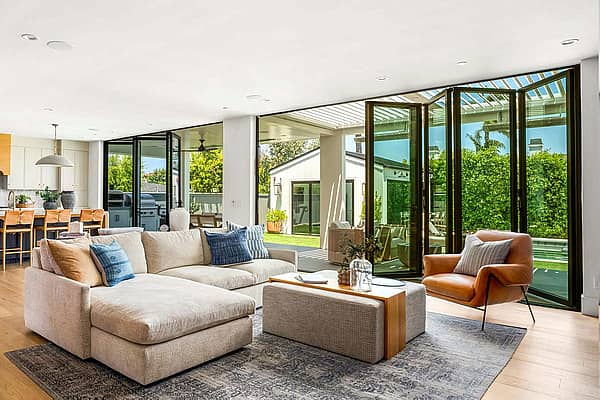
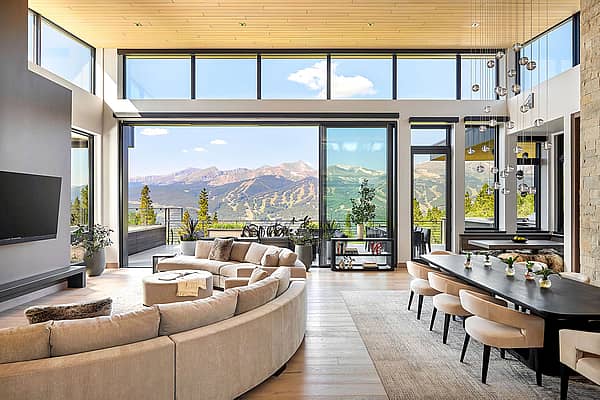
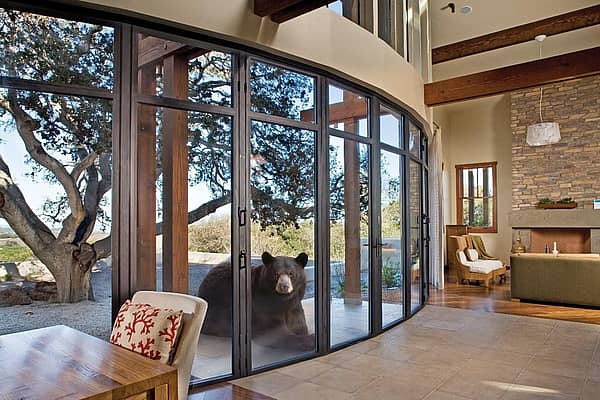
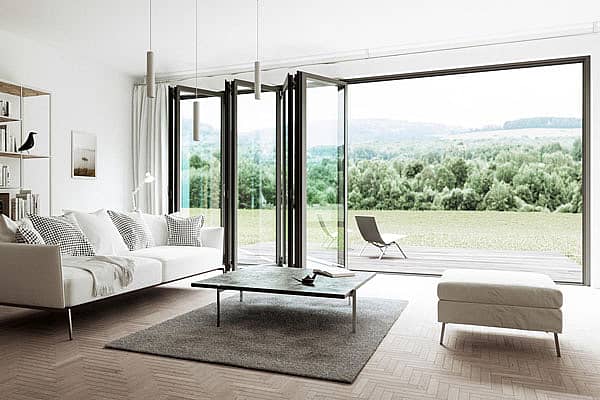
Operable glass systems optimize biophilic benefits in the classroom by maximizing natural daylight and reducing the reliance on artificial lighting. Additionally, glass walls and doors allow for visibility while providing fresh air ventilation to enhance comfort and focus, and support outdoor classrooms, where wellness and movement are seamlessly integrated into the learning process.
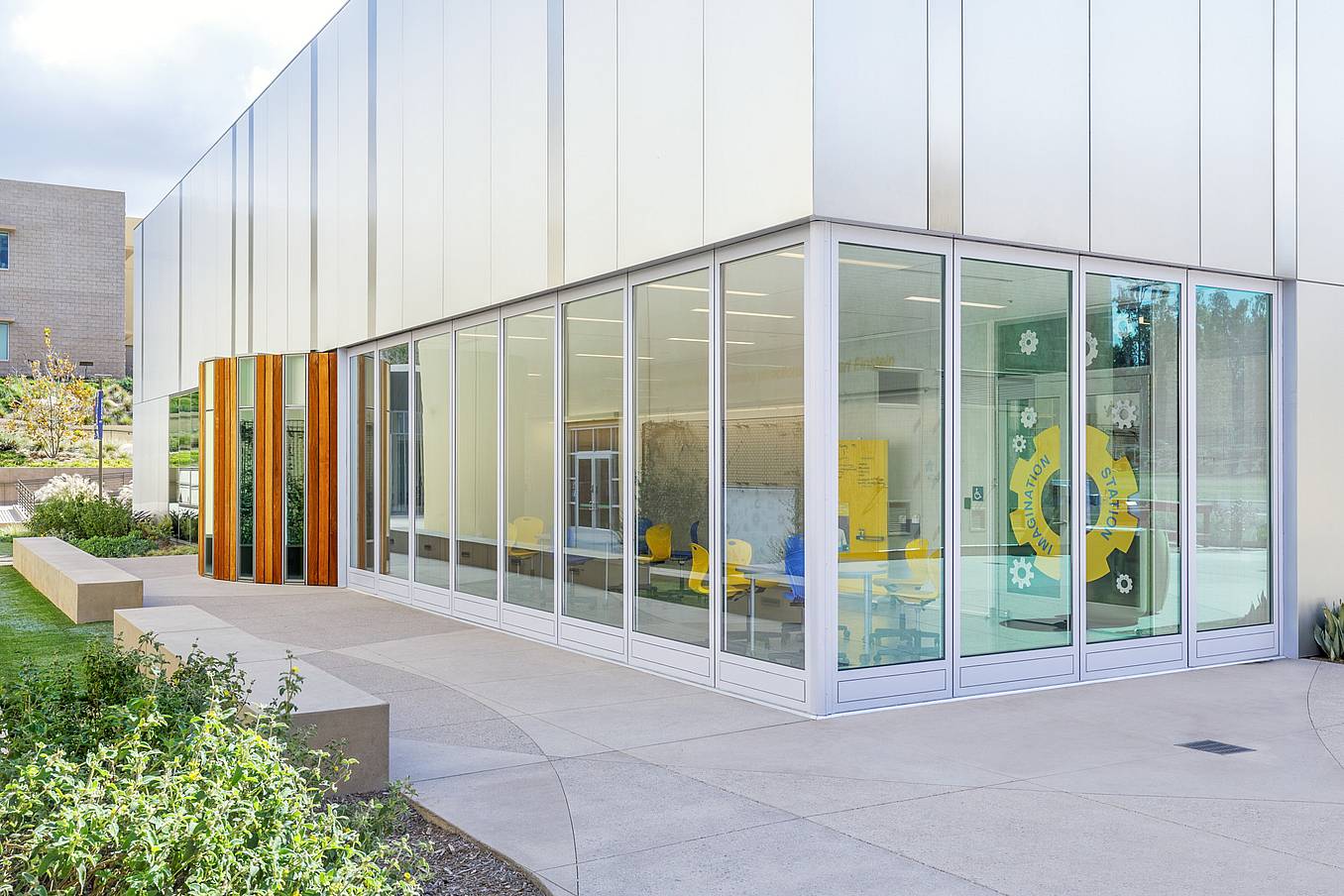
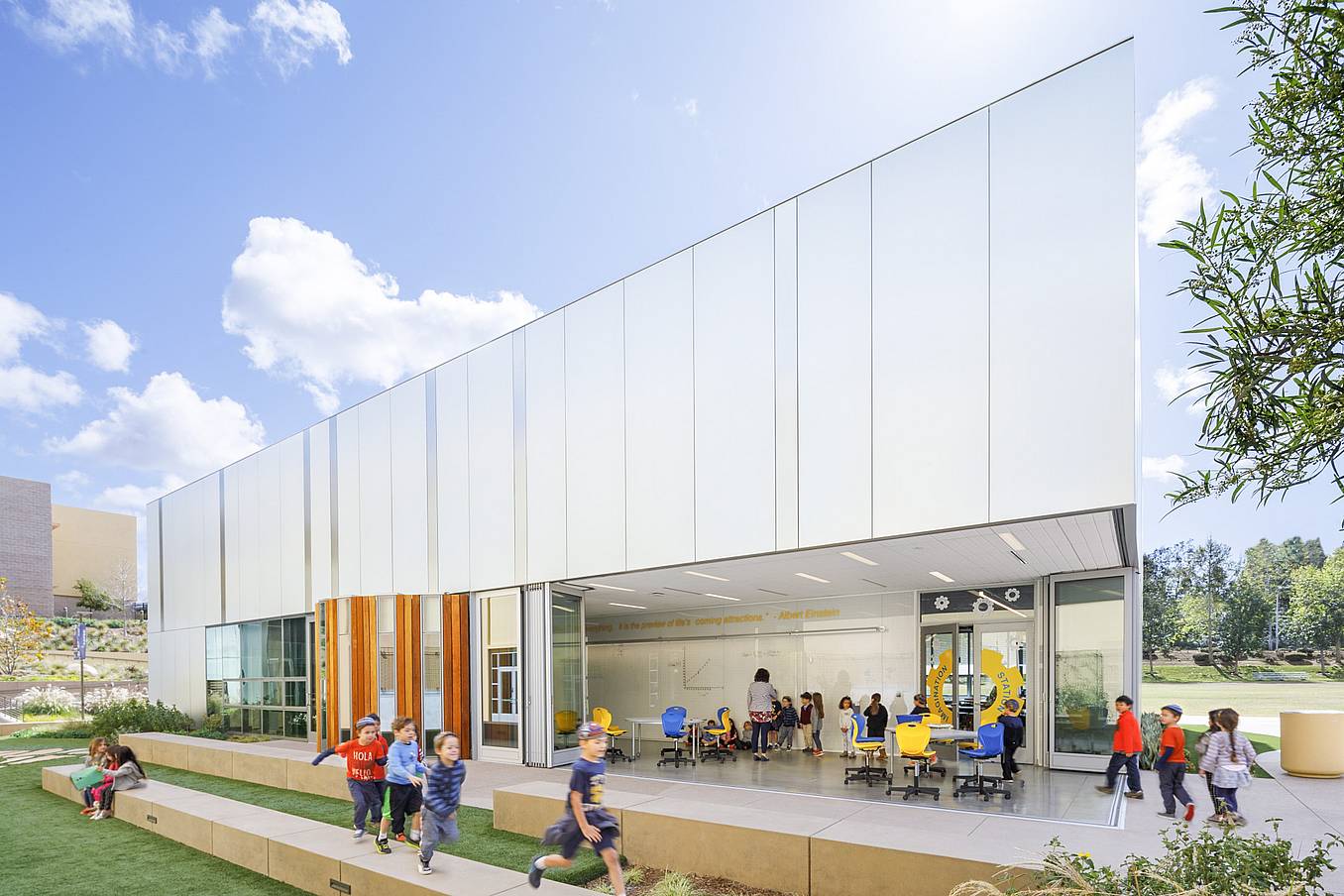
A strong example of these benefits can be seen at Tarbut V’Torah (TVT) in Irvine, California. Designed by LPA Design Studios, the MAKER building includes a NanaWall sliding glass wall system that creates a flexible classroom that opens directly to the outdoors through an ADA-compliant transition. This design transforms the “Huddle” room into a kinetic shared space that adapts to both weather conditions and student needs. With this connection to Southern California’s climate, TVT’s students benefit from fresh air, daylight, and expansive outdoor learning spaces that foster creativity and collaboration.
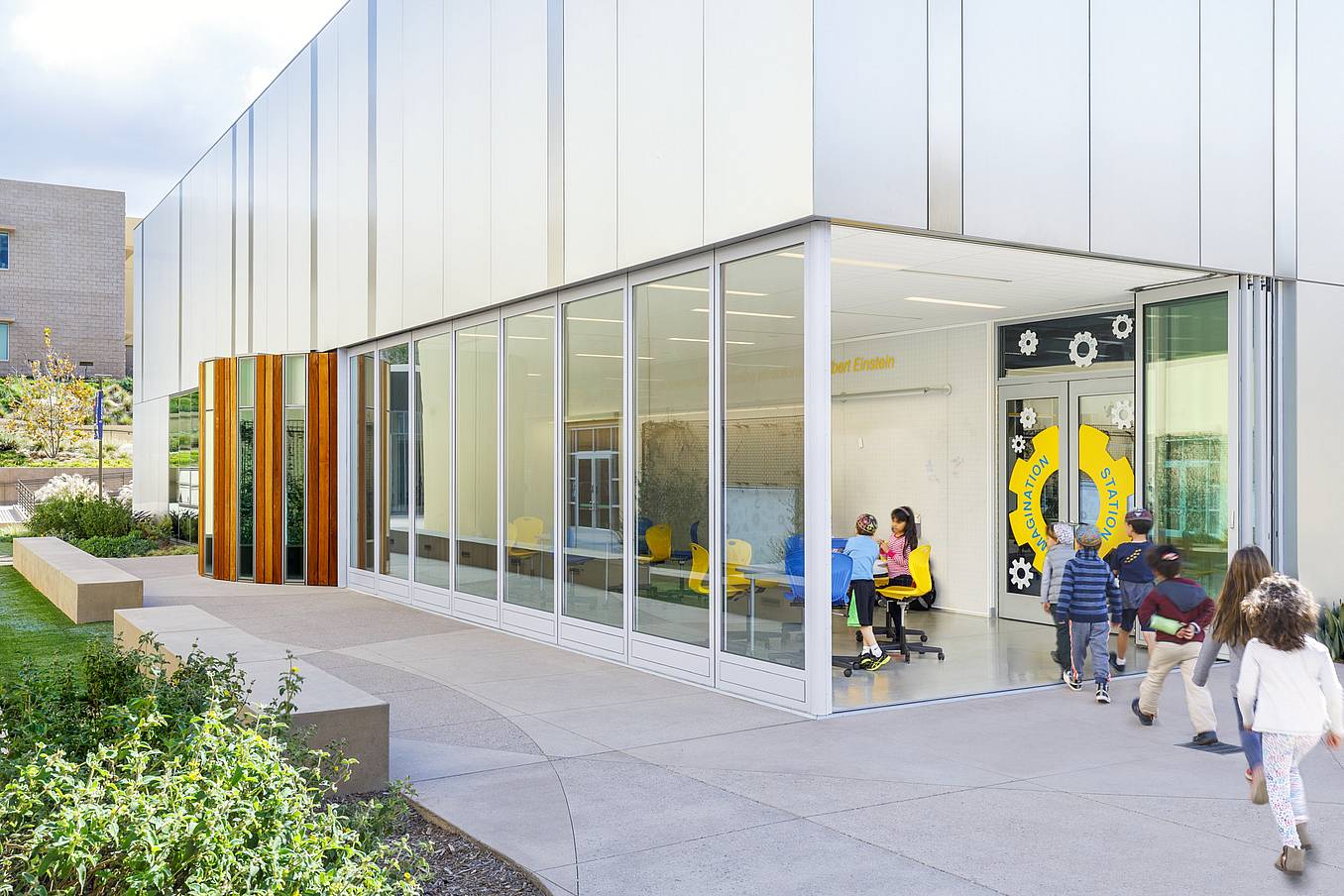
Throughout the MAKER building, 75% of regularly occupied spaces receive abundant daylight, and 90% of classrooms have direct views outside. Operable fenestration allows students and teachers to control temperature and ventilation, further enhancing comfort and wellness. This thoughtful design not only reduced the school’s energy use intensity by 70% but also attracted new students, boosted enrollment, and earned TVT recognition as the top K–12 Private School in Orange County.
By embracing biophilic design and adapting to evolving teaching methods and student needs, operable glass systems bring flexibility and functionality to modern learning environments. The result is well-rounded environments that foster healthier, happier, and more engaged learners—supporting both academic success and emotional well-being.
As published in Spaces4Learning. Fall 2025 edition.
Discover how NanaWall operable glass systems transform learning spaces in our extensive project inspiration gallery!
