
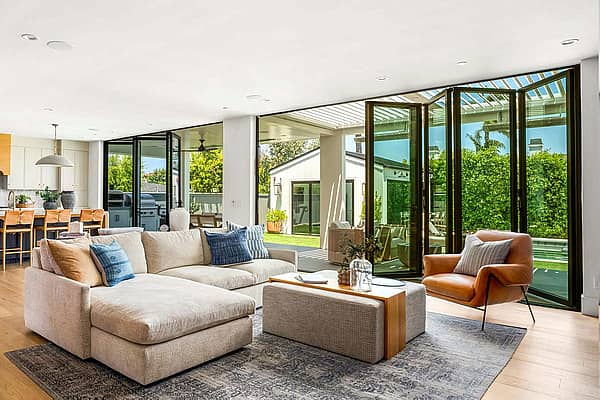
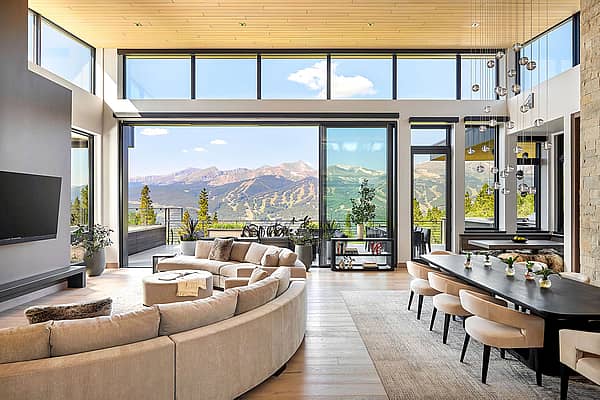
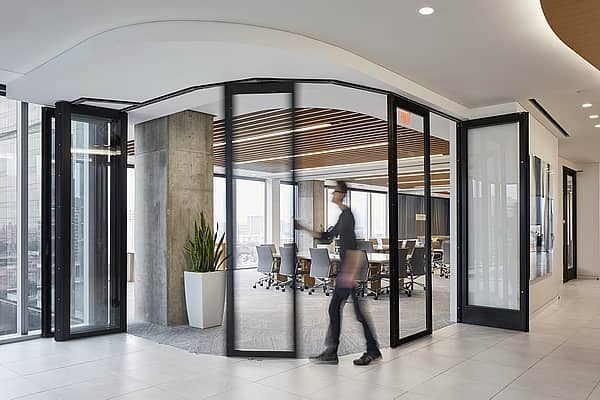
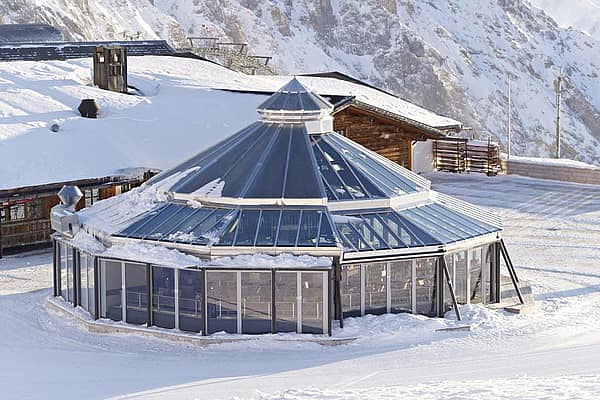
The most memorable guest dining experiences share one thing in common: they make the environment a part of the meal. Opening glass walls transform a hotel rooftop into a sunset dining destination, fill a riverside pavilion with the sound of water, or blur the line between a beachside clubhouse and the coast. In hospitality design, that flexibility is what distinguishes a good venue from one guests return to again and again. But meeting code, climate, and durability requirements demands more than a standard storefront system.
Engineered for this challenge, NanaWall opening glass walls provide commercially rated solutions that transform fixed walls into fully operable openings. Explore how these systems address key hospitality design challenges and how different venues are putting them to work.
What Do Opening Glass Walls Solve in Hospitality Design?
Before choosing a system, it helps to understand the design challenges that opening glass walls address in commercial hospitality environments, as well as the functional benefits that drive specification decisions.
- Increased ROI & Seating: Removing the barrier between indoor dining and an outdoor space expands seating, maximizes year-round usable square footage, space planning, resulting in increased ROI without expanding the building footprint.
- Total Space Flexibility: Quickly adapt spaces to changing weather, programming, and occupancy shifts. Create flexible and temporary food, beverage, event, and amenity areas.
- Accessibility: Easy-to-operate systems with ADA-compliant flush sills provide high heel resistant, barrier-free transitions.
- Security: When closed, these systems maintain after-hours security, featuring rigorous forced-entry testing, advanced, tamper resistant multi-point locking, and higher kickplates.
- Year-Round Weather Performance: Systems are energy efficient and engineered to perform reliably in every climate. Thermally broken frames with double or triple glazing maintain indoor comfort, allowing guests to sit comfortably beside the opening glass walls even in cold weather. Systems are designed to meet the challenges of wind, water, extreme temperatures, forced entry, and structural load often required of rooftop and high-rise applications.
- Operational and Commercial Durability: Systems are easy to operate, durable, and independently tested for over 20,000 opening and closing cycles and 500,000 swing door cycles, ensuring years of reliable daily use.
Opening Glass Walls in Action Across Hospitality Design
From a riverside restaurant to a rooftop dining destination, a beachside hotel dining room to a private golf clubhouse, the following projects show how architects and builders are specifying opening glass walls across a range of hospitality design applications.
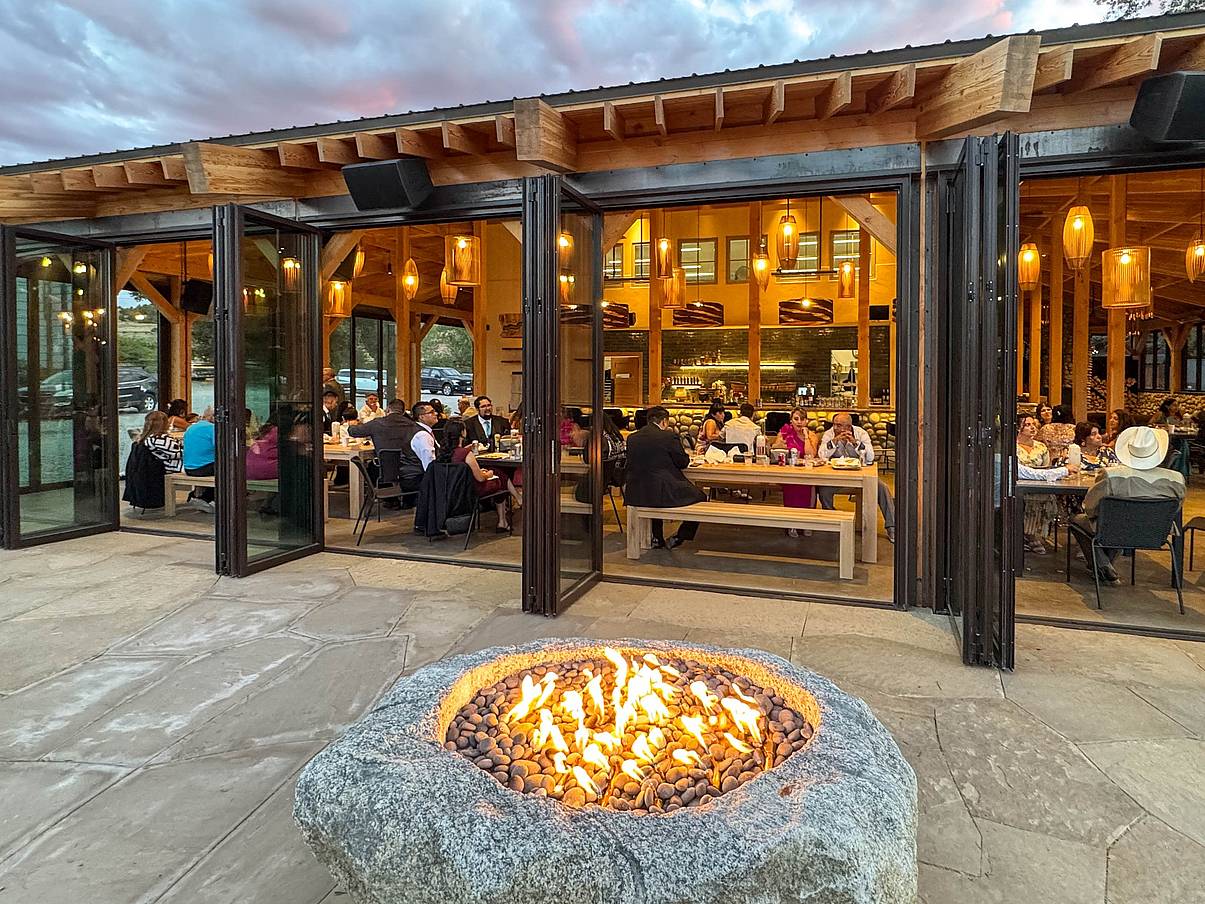
A Colorado Riverside Restaurant Designed Around Nature
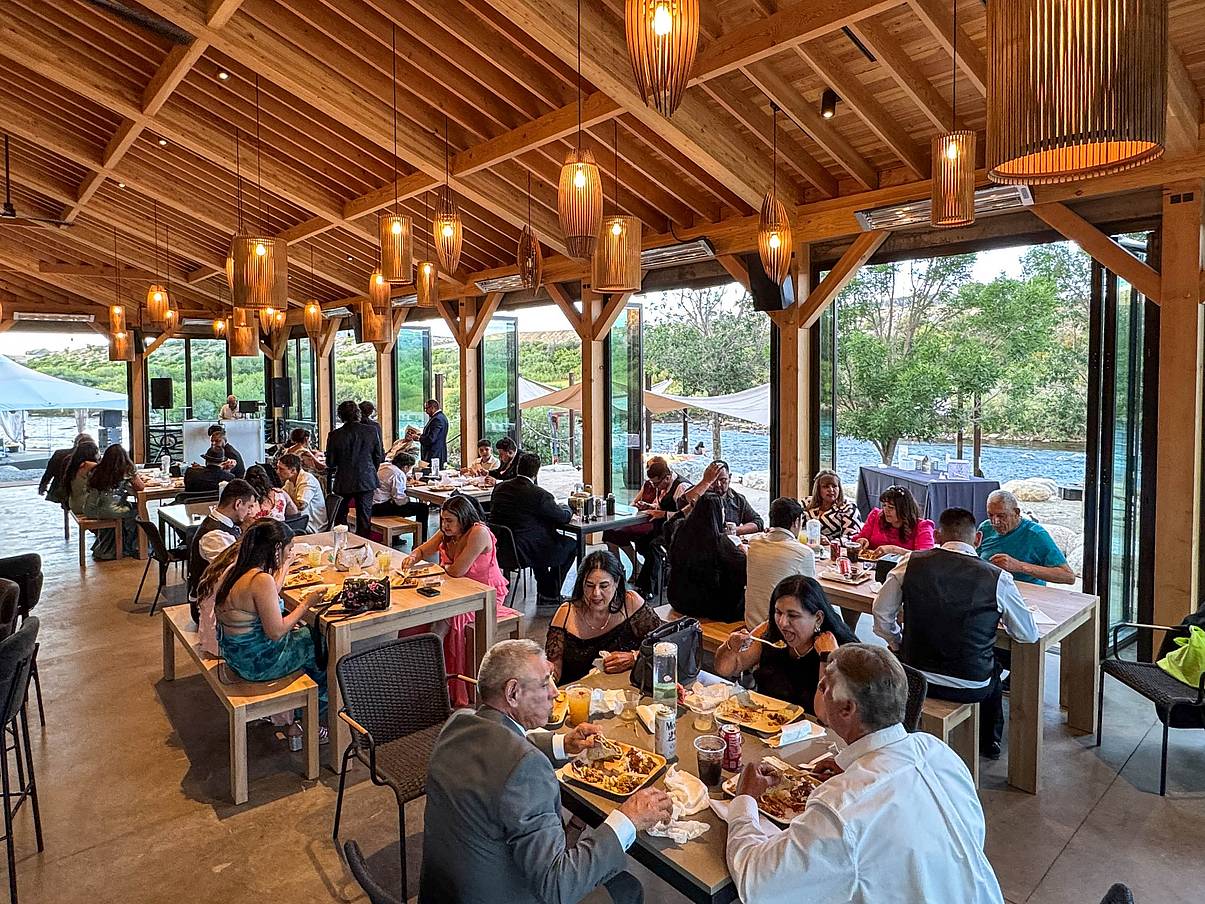
Set along a scenic river surrounded by mountains, the Beach Restaurant and Riverside Pavilion in Buena Vista, CO, was designed by Buena Vista Contractors to embrace its natural setting. The goal: let guests experience the outdoors while dining comfortably inside.
Generation 4 NW 640 Aluminum Framed Folding Glass Walls were specified for durability and refined design. Fully open, five 10-foot-tall systems eliminate the separation between the pavilion and the riverside landscape. Closed, systems deliver thermal comfort while preserving views. The floor supported doors swing outward and stack neatly to the left of the openings. The thermally broken Low Profile Saddle sill protects interiors against wind-driven rain, weep holes, and drain connections.
“The installation of the opening glass walls created a seamless flow in and out of our pavilion. The guests can feel like they are outside while seated indoors. When the weather changes, we can close the doors and still enjoy the surroundings.” - Business Owner.
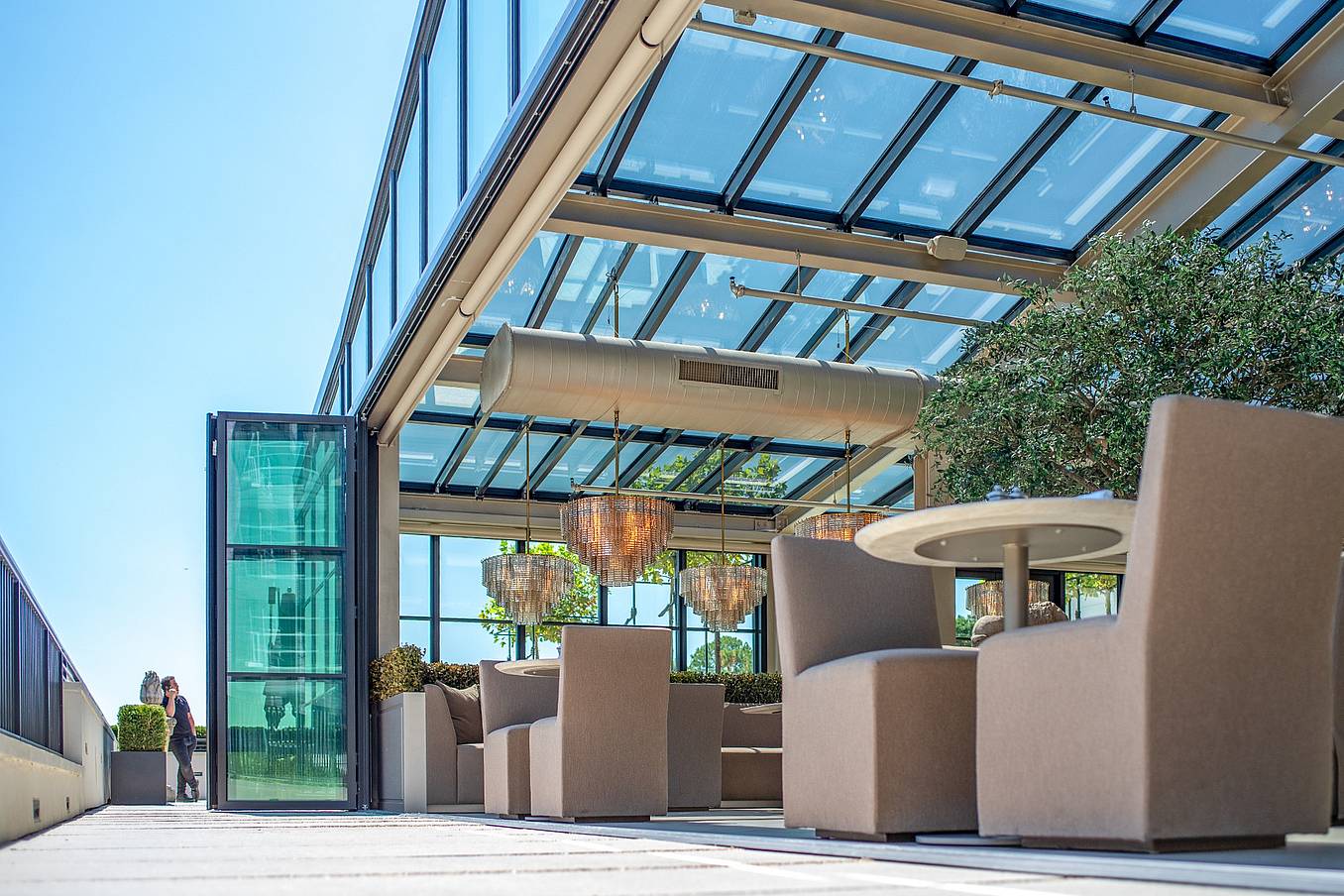
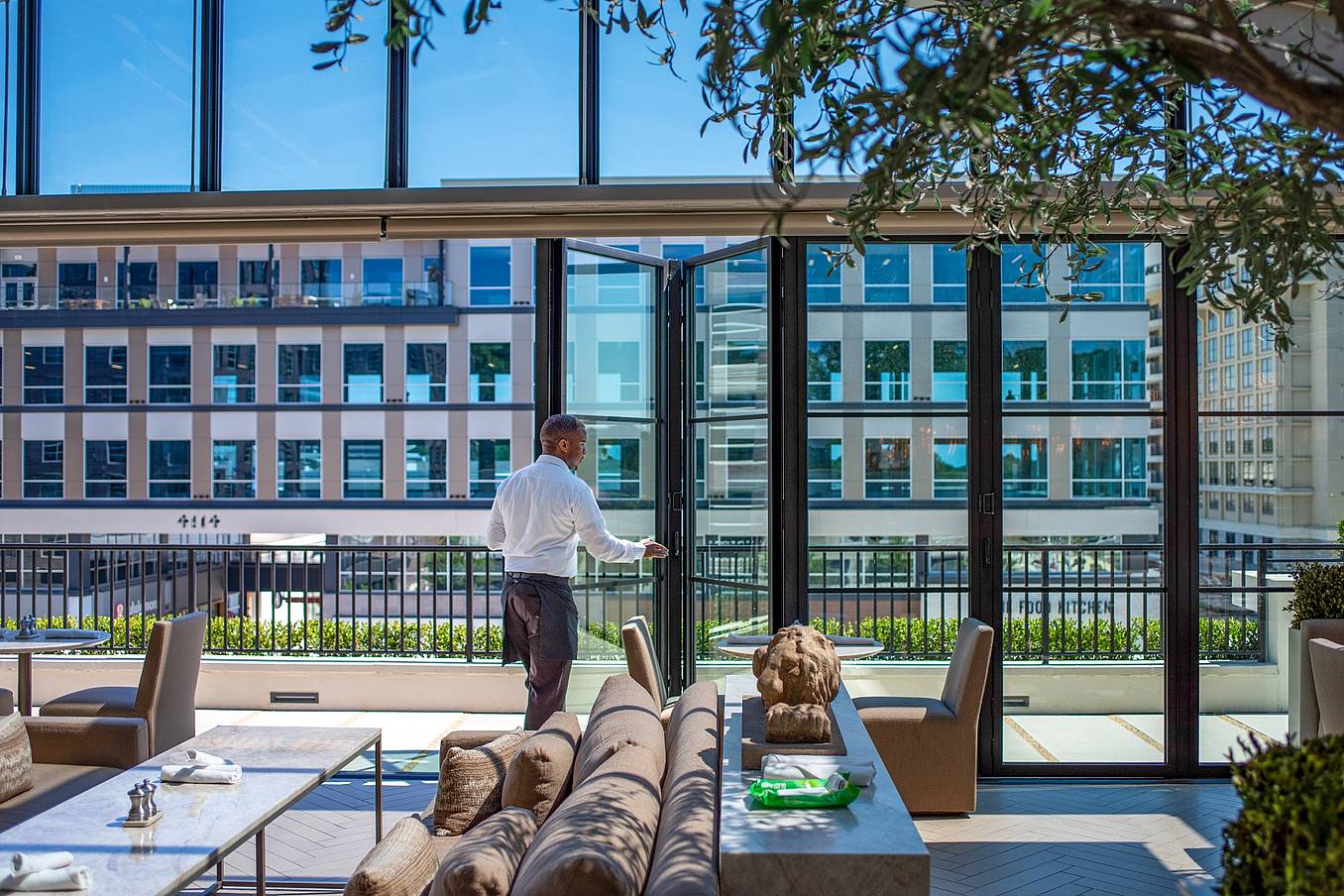
A Rooftop Dining Venue Elevated by a 38-Foot Glass Opening
Above Raleigh’s North Hills district, this rooftop venue at RH Raleigh designed by NORR Architects and installed by Carolina Classic Window & Glass, merges the city skyline with the brand's aesthetic of comfort and artistry.
An SL70 aluminum framed folding glass door spans 38 feet wide and stands 9 feet tall, transforming the rooftop into an open-air dining destination. Energy-efficient, double glazed systems allow year-round operation, and a matching all-glass roof offers views of the sky at night. Simulated divided lites help achieve a steel look that perfectly complements the RH brand. Engineered for harsh rooftop environments, systems perform in high wind and water and meet structural load requirements.
“We needed a product we could trust that would operate cleanly and smoothly on a daily basis. From initial product selection to the design and execution, NanaWall delivered.”- Contractor from CCWG.
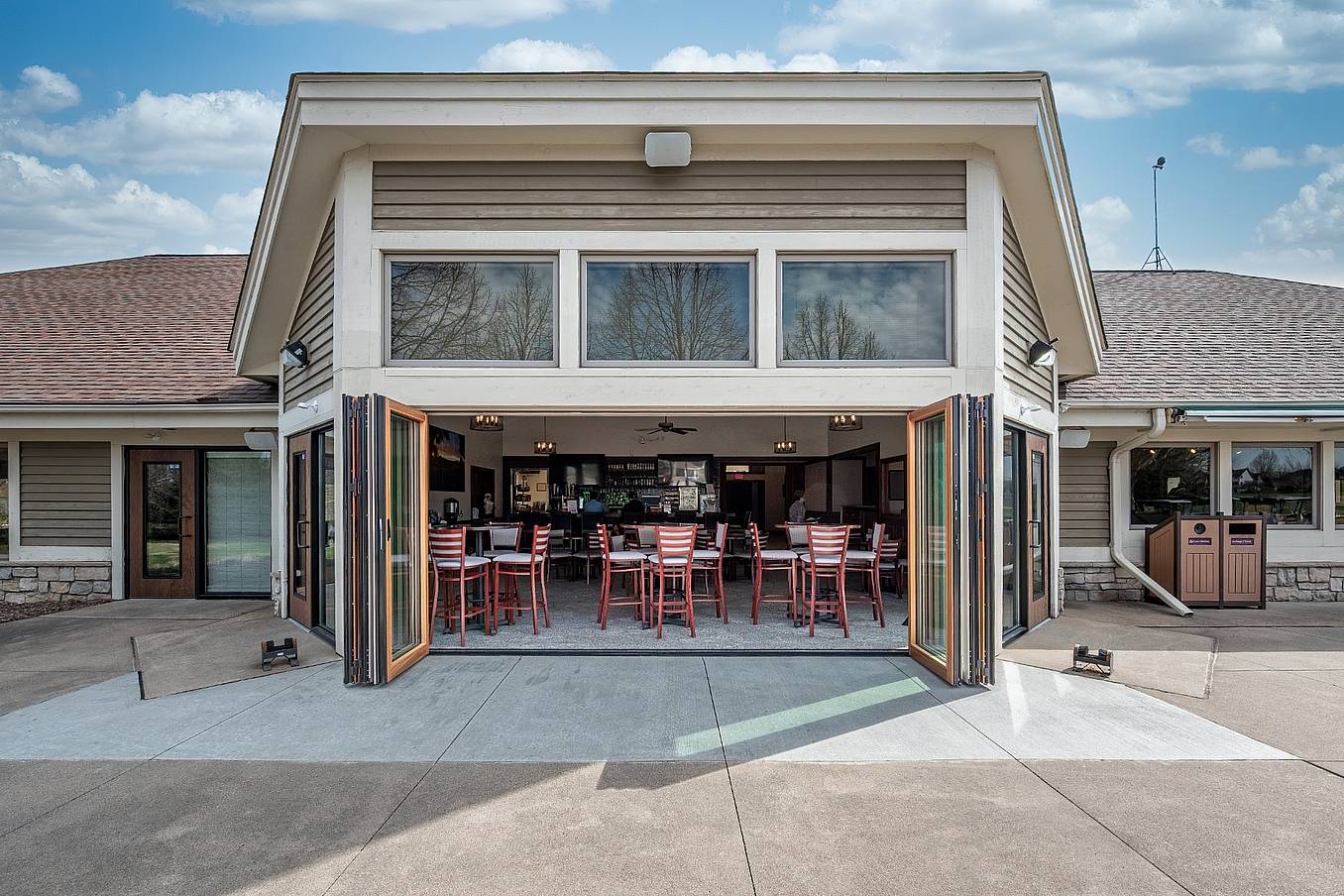
A Golf Clubhouse Opens to the Course with Custom Wood Finishes
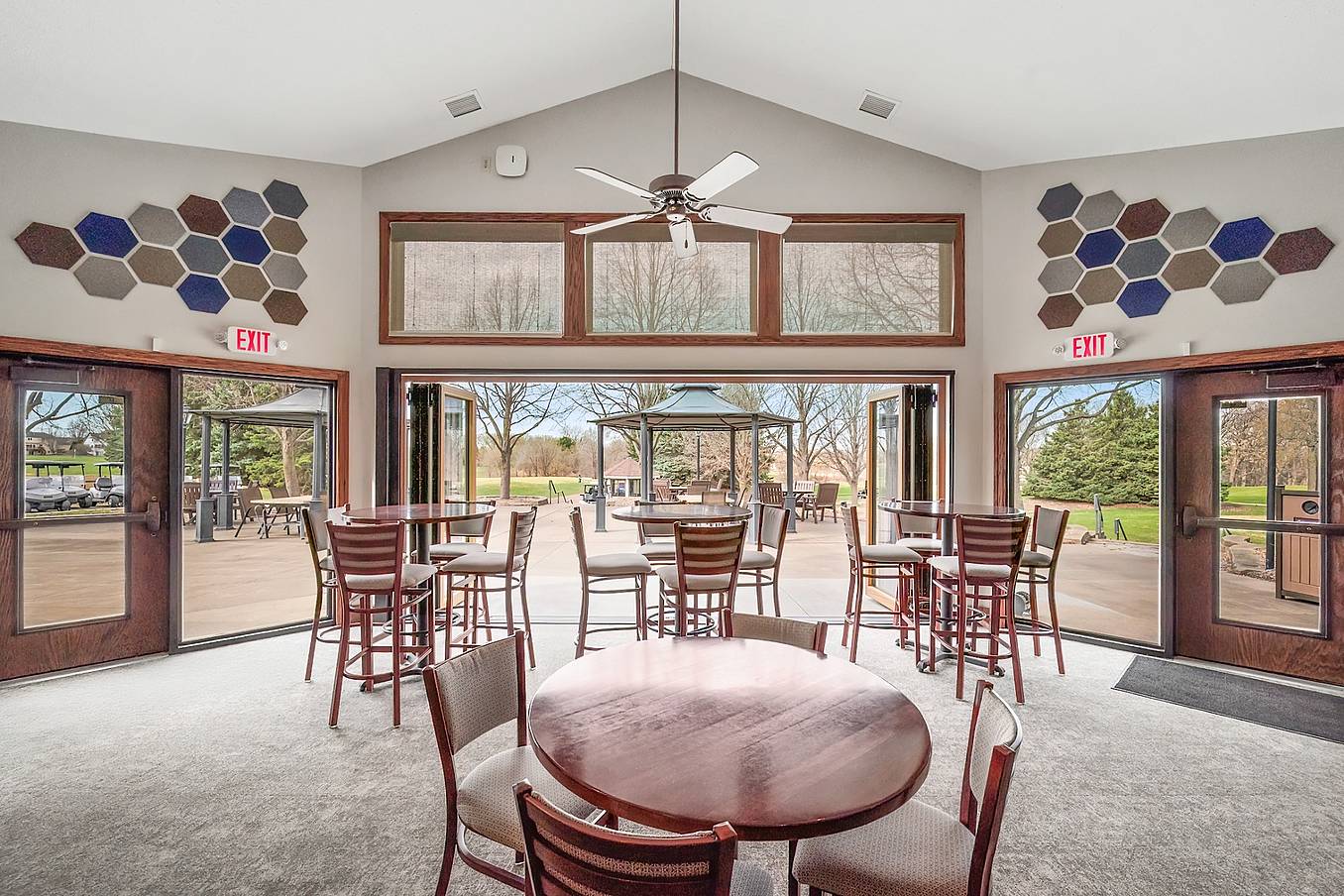
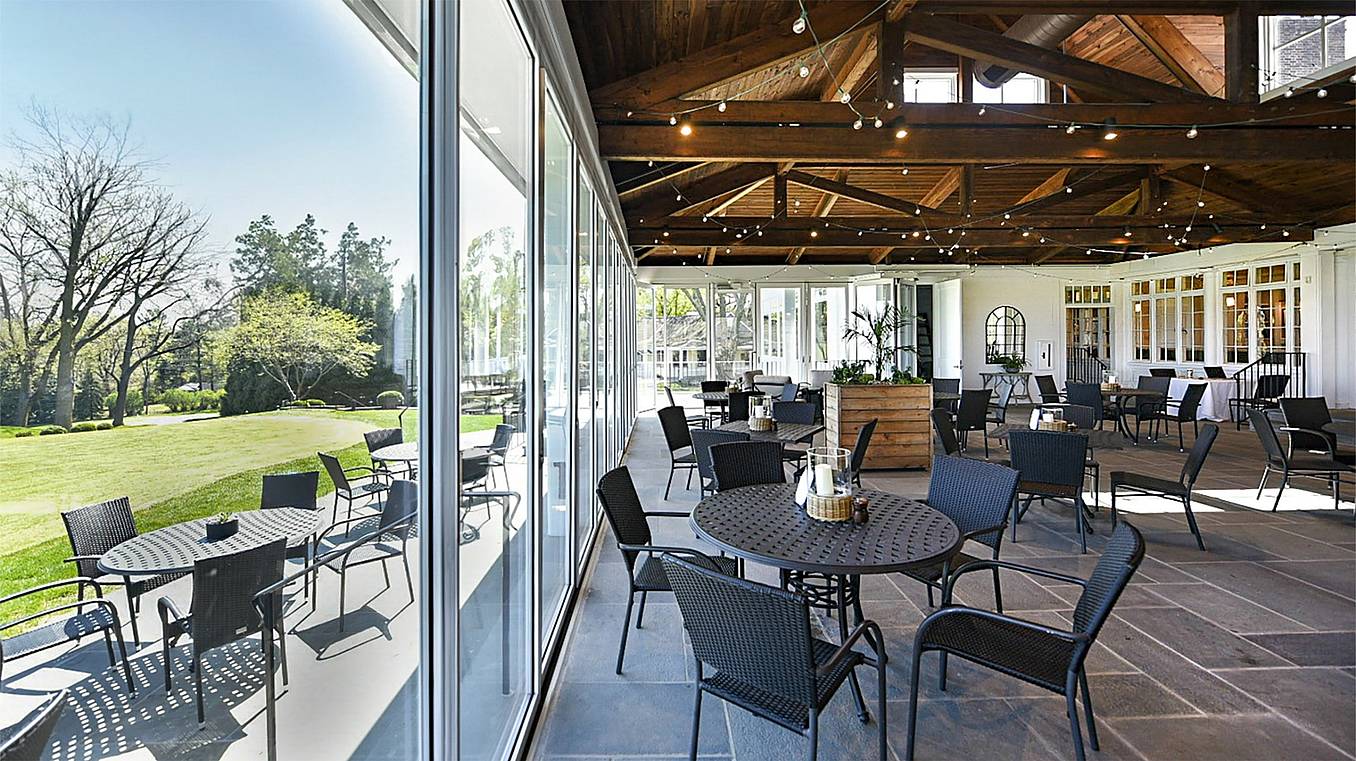
At Eagle Valley Golf Course in Woodbury, MN, a clubhouse renovation introduced a new bar and lounge connecting the interior directly to the golf course. The Generation 4 NW 740 Aluminum Wood Clad folding glass walls deliver durable, energy-efficient protection from extreme weather, forced entry, and structural loads. Using NanaWall systems, the team matched the finish to the existing wood detailing and exact stain color of adjacent millwork.
“The NanaWall folding door system not only created a more seamless interior-exterior connection between the clubhouse and the golf course, but it opened up the interior to be brighter and feel more open for members.” - Rina Berman, Director of Interior Design of Studio M Architects, Inc.
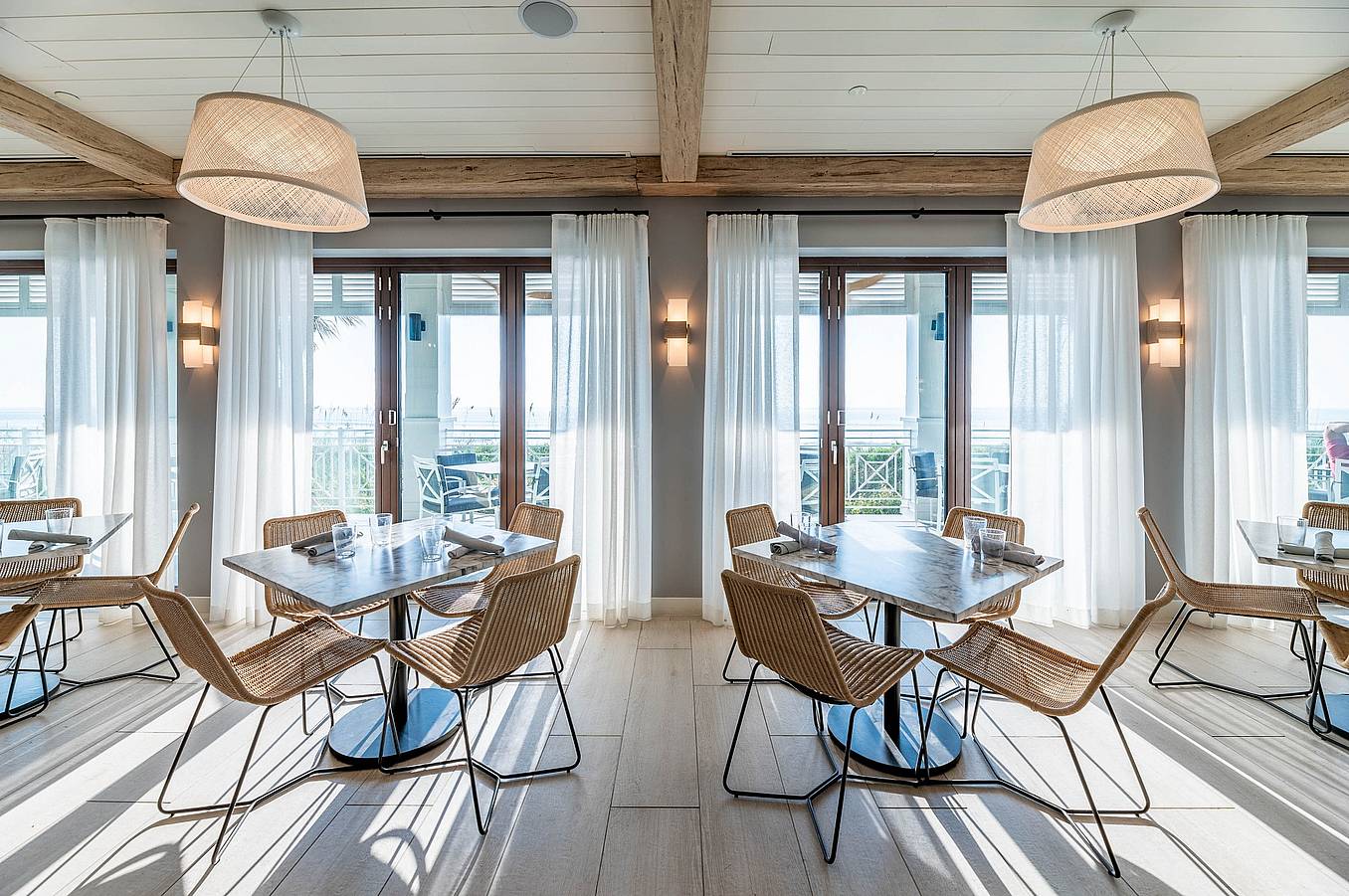
A Beachside Hotel Restaurant Captures the Florida Coast
At the Marriott Sawgrass Cabana Club in Ponte Vedra Beach, FL, Zambrano Architectural Design and Petrie Construction LLC designed dining spaces that can open up, connecting to the coast while maintaining climate control in Florida's extreme weather.
Miami-Dade and Florida product approved SL73 Hurricane Rated Folding Glass Walls open the dining room and bar directly to the outdoors, shifting the venue between an enclosed restaurant and a breezy open-air experience. Natural light floods the space, views are unobstructed, and the transition between indoors and out disappears.
“The NanaWall systems extend the entire length of the restaurant so that no view of the beach and ocean is hidden. The ability to keep the walls closed during inclement weather allows patrons to enjoy the dining experience comfortably, rain or shine." - Adam Petrie of Petrie Construction LLC.
Final Thoughts: Designing Hospitality Spaces That Adapt
In commercial food, beverage, and hospitality design, the ability to shift between enclosed interior and open-air environments directly impacts guest experience, seating capacity, and year-round revenue. Opening glass walls give architects and builders a commercially rated solution engineered to perform in the most demanding venues.
Explore how NanaWall opening glass walls are transforming hospitality design.
