
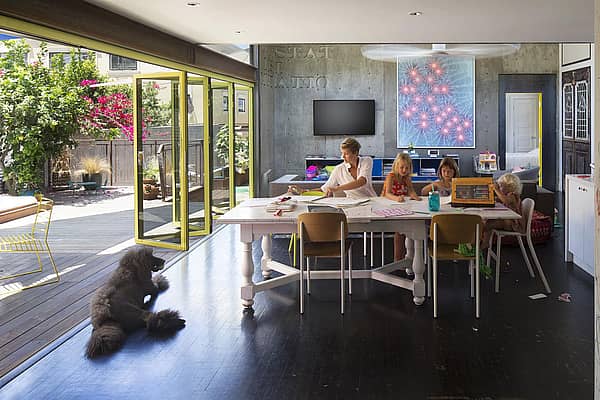
There’s nothing better than earning a customer’s loyalty after their first visit to your restaurant. But what design elements keep guests returning for more? Beyond an appetizing menu and attentive service, restaurant design shapes the entire dining experience. By prioritizing comfort and incorporating flexible design solutions such as movable glass walls, restaurant owners can create bright, adaptable spaces that feel intuitive, inviting, and memorable from the start.
From excessive noise to confusing layouts, below we address common design misses that can diminish diners’ first impressions and the overall dining experience—and how a single design solution can help address them.
Addressing Common Restaurant Design Complaints from Diners with Movable Glass Walls
What Design Elements Turn Diners Away from Restaurants?
According to Restaurant Development + Design readers, the top design elements that undermine first impressions in restaurants are excessive noise, confusing layouts, poor lighting, and weak branding. Each one affects the space differently, but all can shape how guests feel from the moment they walk through the door.
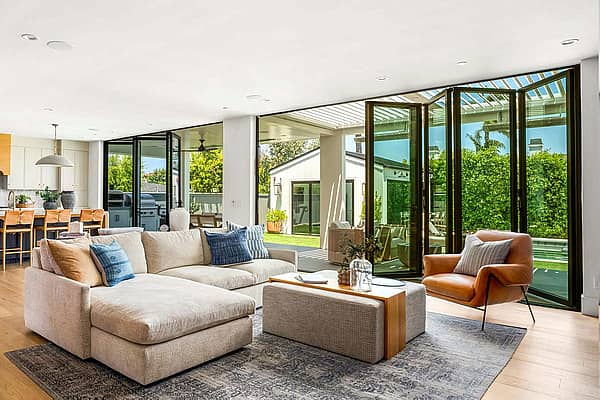
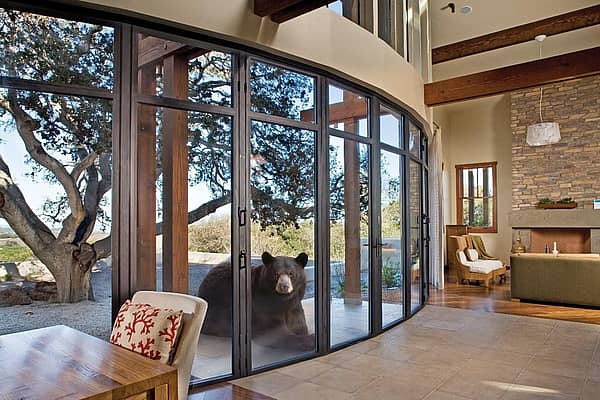
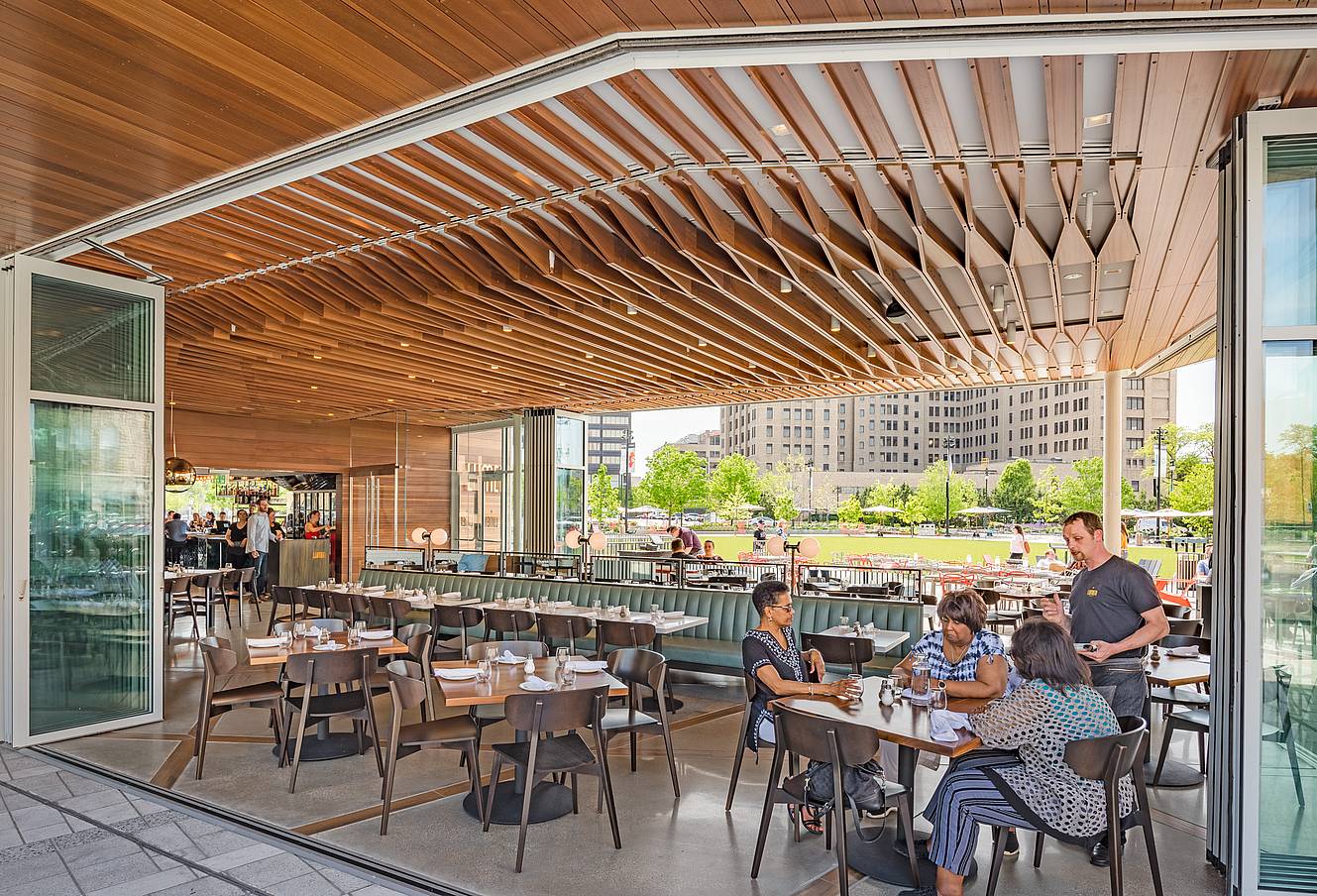
Limited outdoor seating can also be a missed opportunity, especially as more diners look for the fresh air and relaxed atmosphere of al fresco dining. Movable glass walls offer a flexible, easy-to-use solution to address these challenges by creating defined, light-filled spaces that can open to the outdoors or provide comfort from inclement weather when closed, even when seated right next to the glass. Let’s explore how.
Excessive Noise: Managing Restaurant Acoustics with Movable Glass Walls
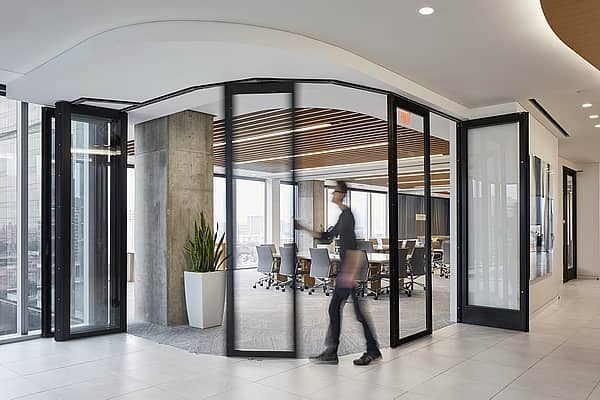
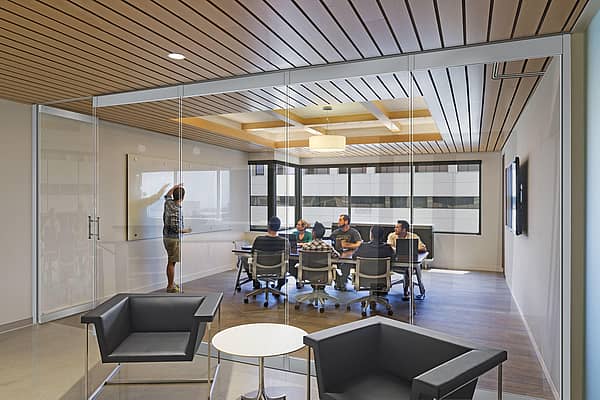
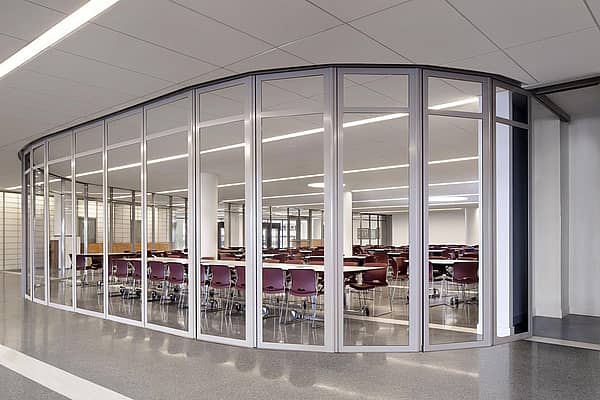
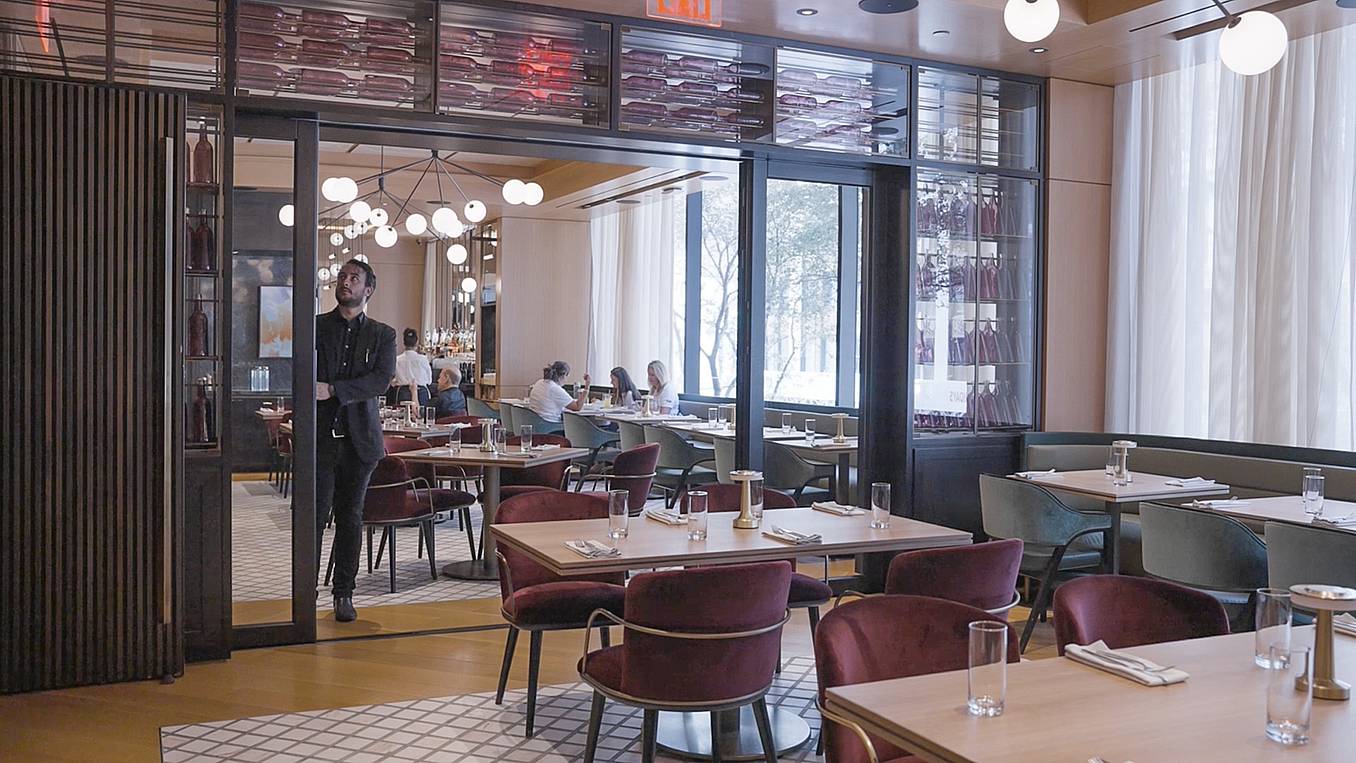
Inside, a lively atmosphere can give a restaurant energy, but too much noise can make it difficult for guests to hold a conversation and enjoy their meal. Interior movable glass walls help manage sound by dividing large dining areas into smaller, more comfortable zones while maintaining light and visual connection throughout the space.
When closed, they can separate private events, bar areas, patios, or other active spaces from the main dining room with sound control up to unit STC 45, depending on the system. It is important to note that flooring and ceiling height can also affect the sound attenuation of movable glass systems. When that separation is no longer needed, the panels can be opened and stored out of the way to restore a larger, more connected layout.
Simplify Confusing Restaurant Layouts with Movable Glass Walls
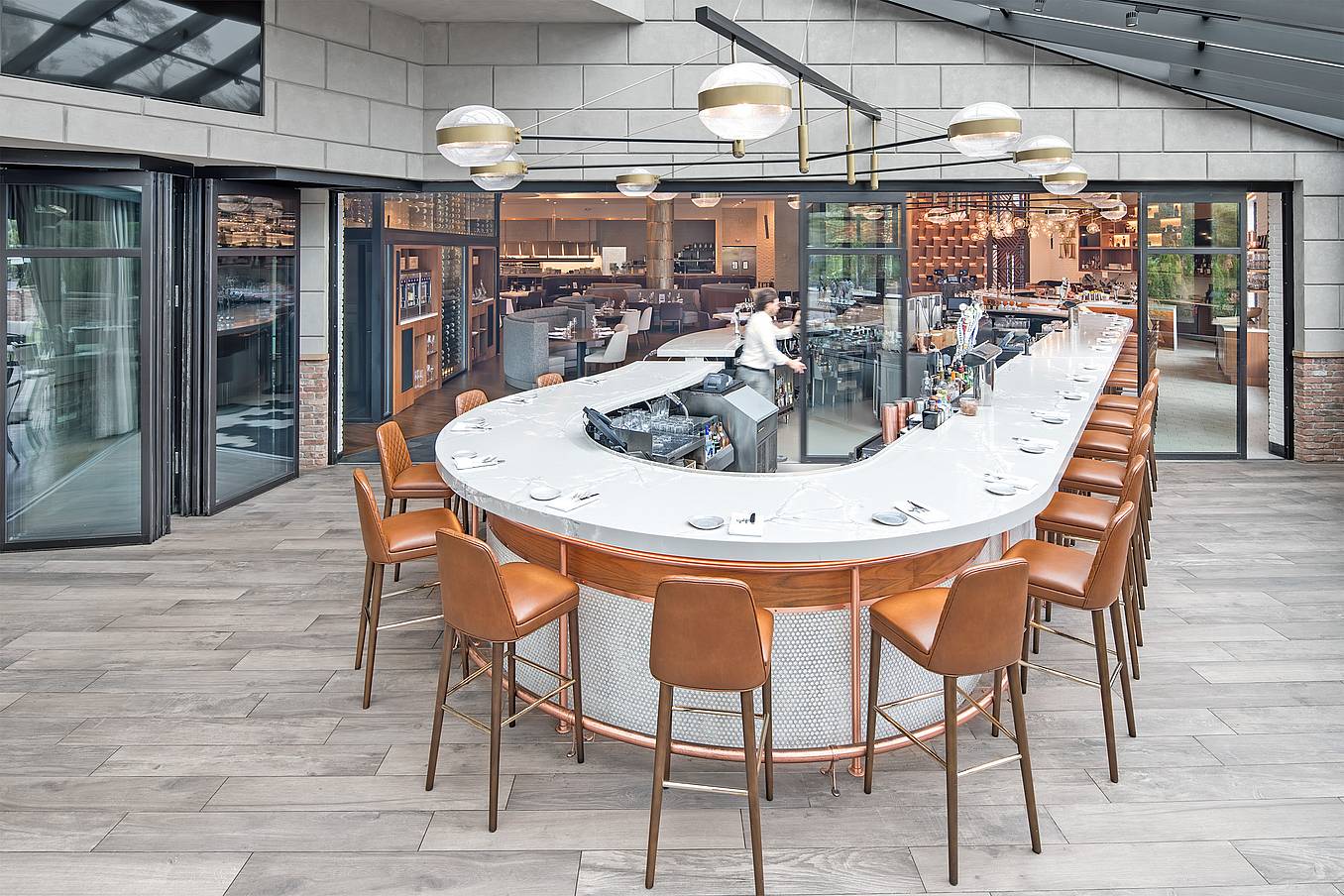
Guests should be able to understand where to enter, order, and dine without searching for directions. NanaWall interior operable glass dividers can organize open floor plans into clearly defined zones for dining, private events, bar service, and outdoor seating. When the separation is no longer needed, the panels slide smoothly and stack neatly to the side, leaving behind little indication that a wall was ever there.
High-heel-friendly, ADA-compliant floor tracks provide an easy transition between spaces, while customizable swing doors allow guests and staff to move freely between divided areas when the panels are closed. In addition, systems can be specified with higher kickplates, panic hardware by others, and swing doors to meet commercial space requirements.
Improve Poor Restaurant Lighting with Movable Glass Walls
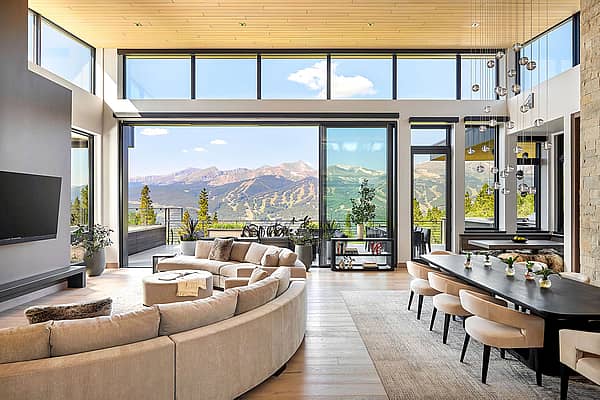
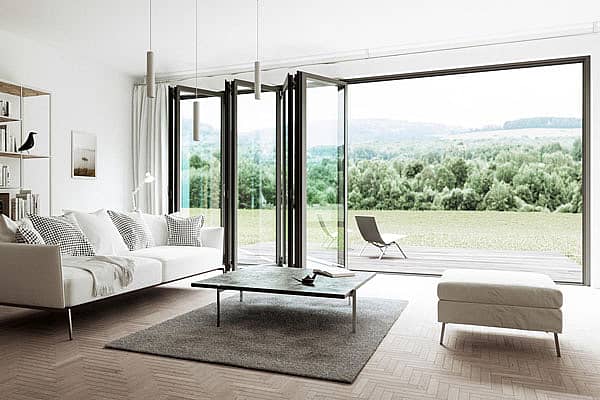
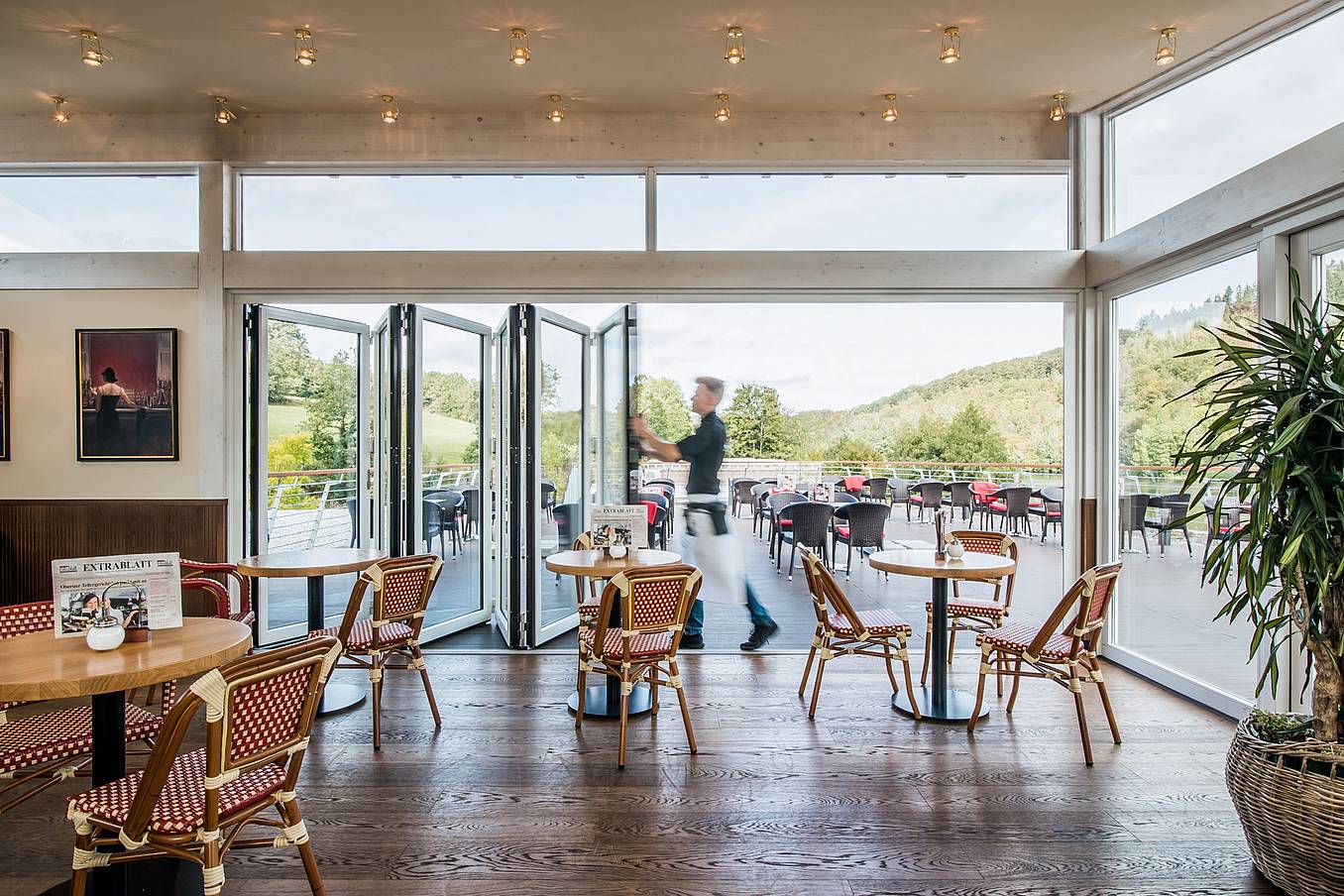
When addressing common restaurant design complaints, a lack of natural light can make an otherwise well-designed space feel less welcoming. Operable glass wall systems maximize access to natural light by replacing solid barriers with transparent panels that allow daylight to reach deeper into the dining area. Even when the system is closed, guests can still enjoy outdoor views and a brighter connection to their surroundings.
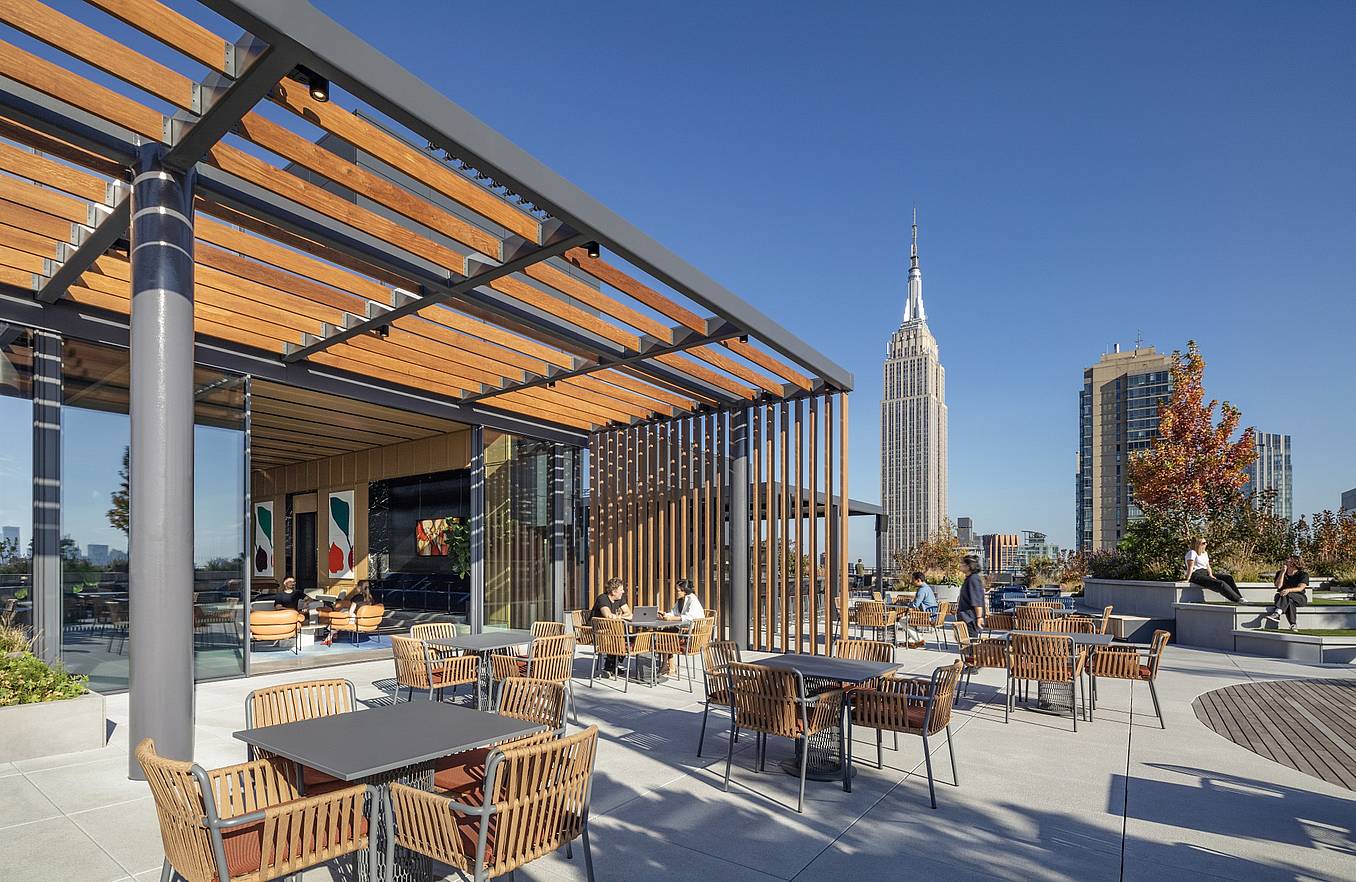
When weather permits, the panels can easily be opened to bring in even more daylight and create a seamless transition to patios, rooftops, and other outdoor dining areas. This flexibility helps restaurant owners maintain a bright, inviting atmosphere while adapting the space to changing weather, seasons, and times of day.
Strengthen Restaurant Branding with Custom Movable Glass Walls
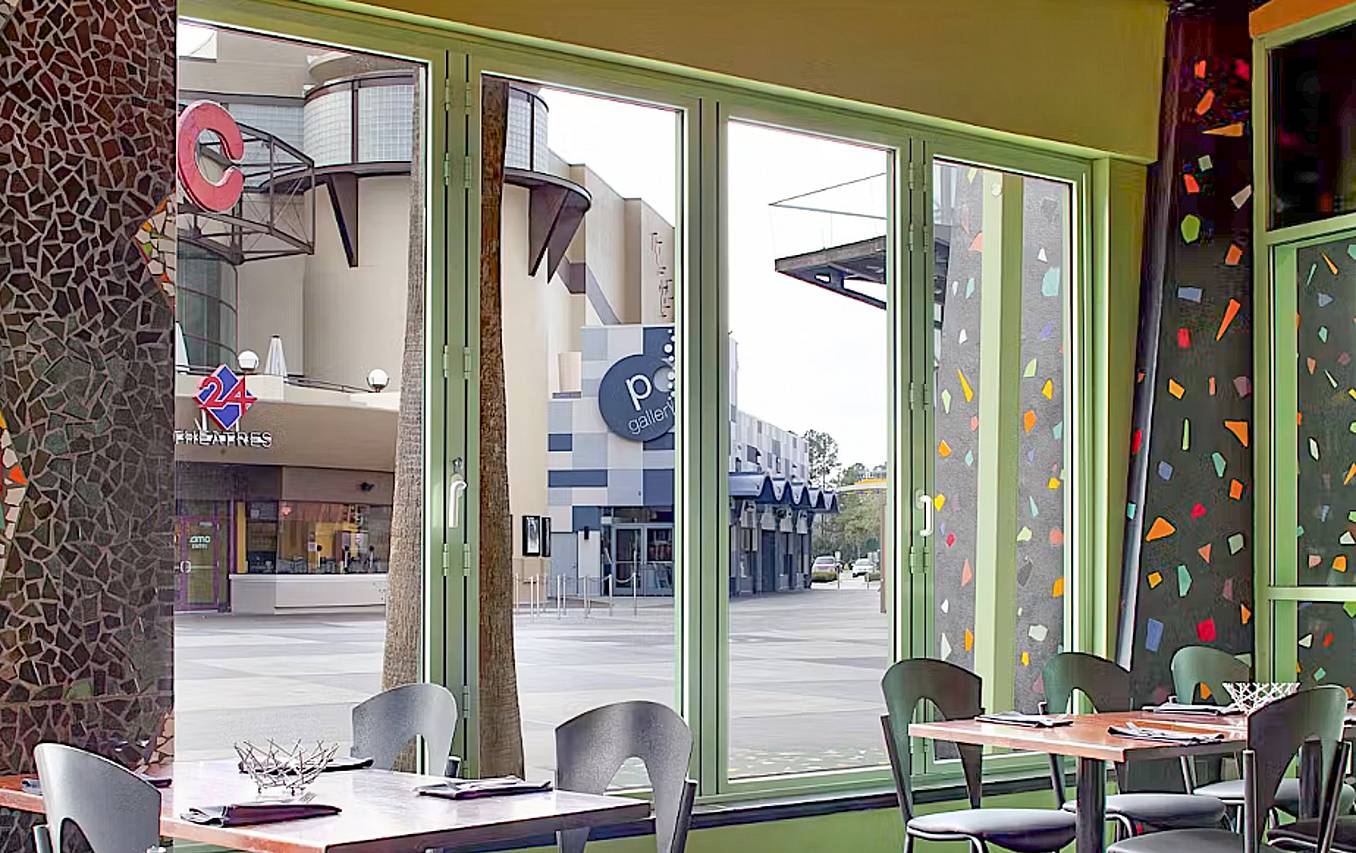
Restaurant branding goes beyond menus and signage. Colors, materials, and architectural details all maintain consistent aesthetics and recognizable restaurant entrances. When specifying NanaWall movable glass walls, these systems are available in more than 200 powder-coated frame colors to match or complement a restaurant’s branding. Decals, logos, patterns, and graphics can also be added to the glass for another layer of brand personality, visual interest, or privacy.
These options create flexible openings that reflect the restaurant’s recognizable branding at every location, contributing to a memorable environment whether the panels are open or closed.
Expand Outdoor Restaurant Seating with Movable Glass Walls
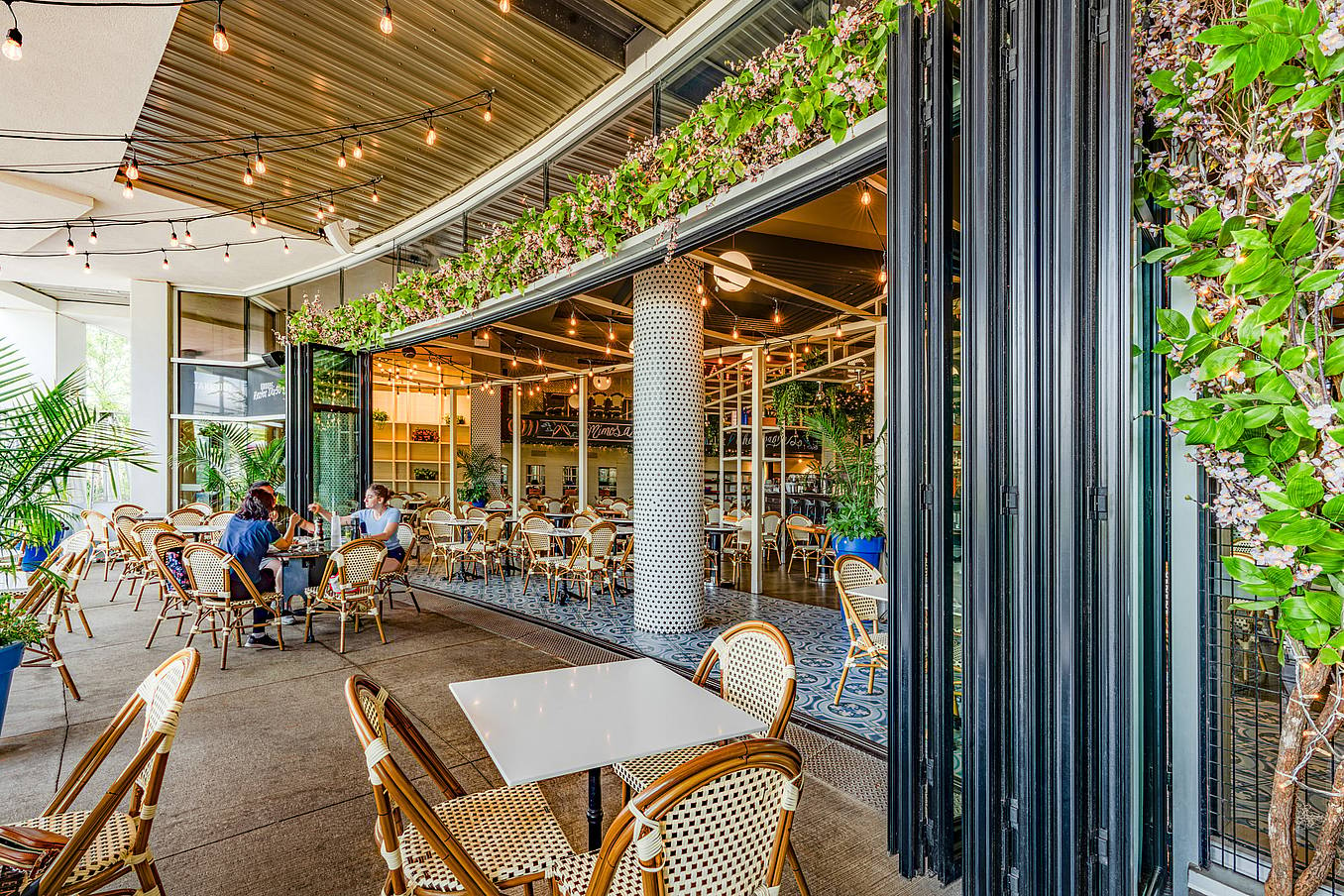
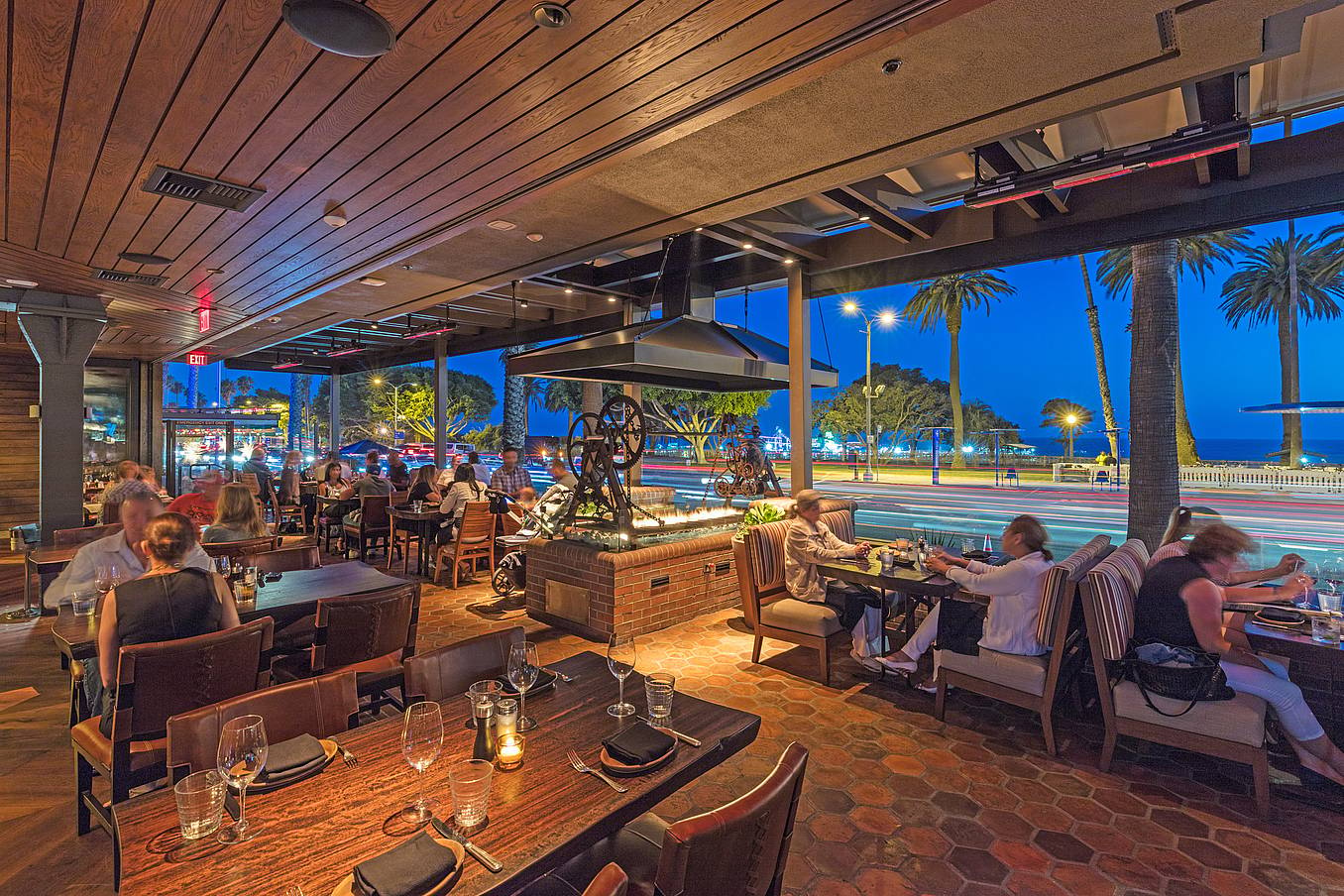
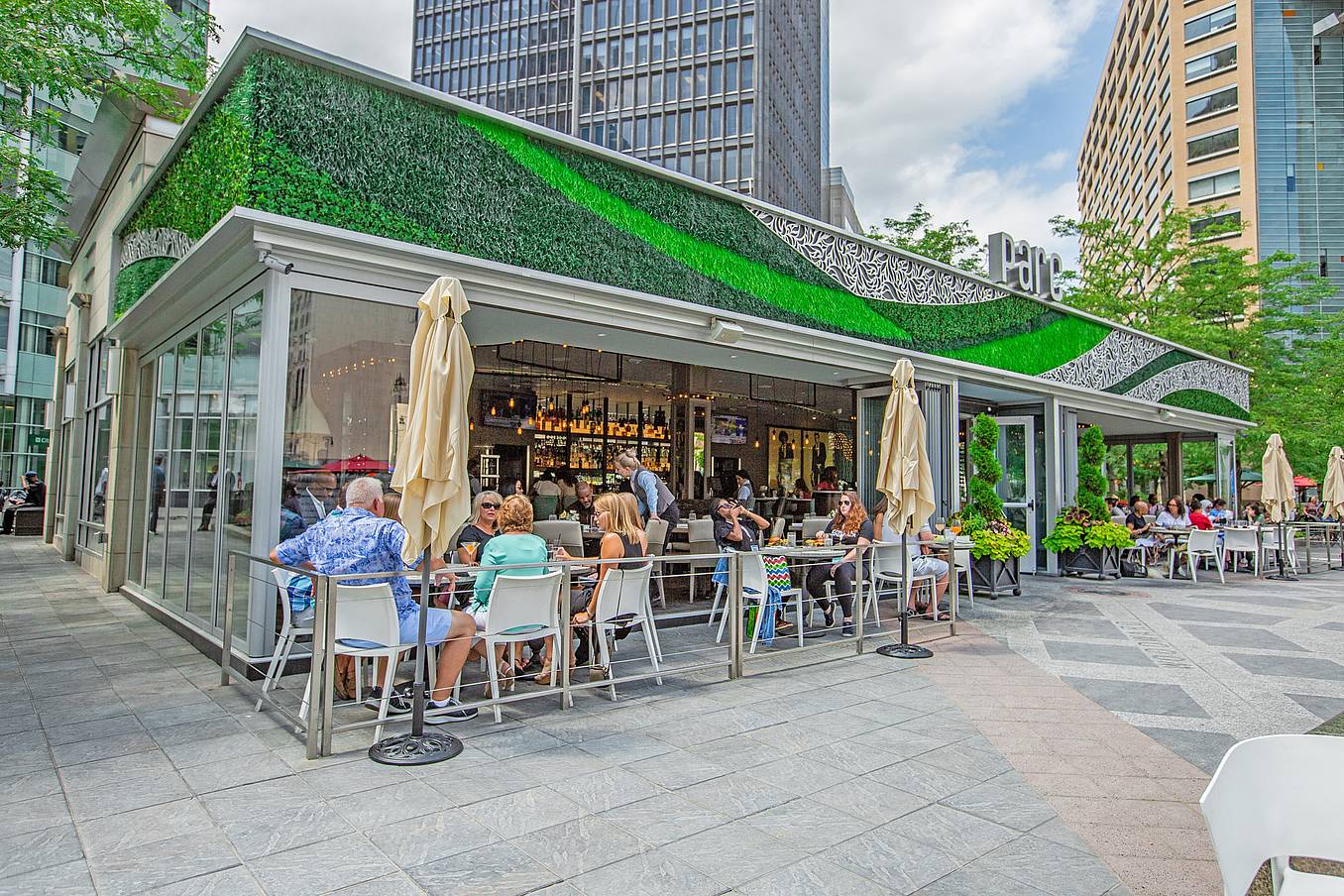
Outdoor seating remains a draw for guests seeking fresh air and a relaxed dining atmosphere. NanaWall movable glass walls help restaurants make better use of patios, rooftops, and even sidewalks by connecting them to the main dining area. When open, the panels seamlessly merge indoor and outdoor seating, increasing capacity and creating more opportunities to serve guests.
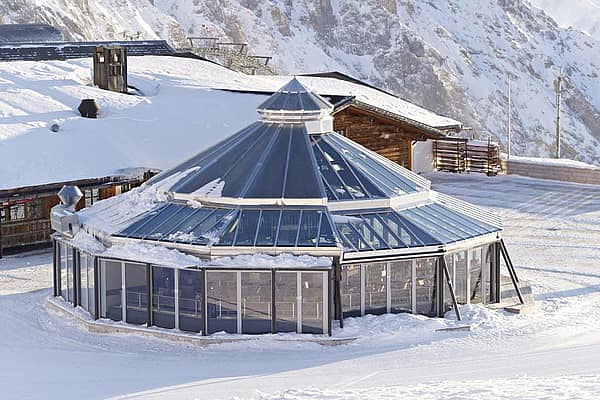
When the weather changes, the panels can close to protect diners from wind, rain, and colder temperatures while preserving views and natural light. By keeping outdoor spaces in use across more seasons, restaurants can turn underused square footage into revenue-generating seating and improve ROI in the long run.
Why Choose NanaWall for Restaurant Design?
NanaWall systems are engineered to perform in fast-paced commercial environments, offering long-lasting durability alongside smooth operation and minimal aesthetics. Each system has been independently tested for air, water, structural, forced entry, operation, and sound control with excellent results. In return, this ensures weather performance and comfortable interiors year-round.
In restaurant applications, these movable glass walls can be customized with ADA-compliant sills, higher kickplates, and panic hardware by others to meet the demands of commercial spaces. Custom sizes, configurations, frame colors, and glass options also allow each system to support the restaurant’s branding and operational needs. The result is a long-term investment that can increase seating flexibility, extend the outdoor space use, and create more opportunities for revenue.
Final Thoughts
Understanding what diners dislike about a restaurant space is an important step toward creating one they will want to visit again. NanaWall movable glass walls offer one flexible solution to several common restaurant design complaints, from excessive noise and confusing layouts to poor lighting and limited outdoor seating.
By addressing these concerns with flexible design solutions, restaurants can create more comfortable and memorable experiences that leave guests with fewer complaints and more reasons to return.
Ready to transform your restaurant with NanaWall movable glass doors? Find your local representative here!
