


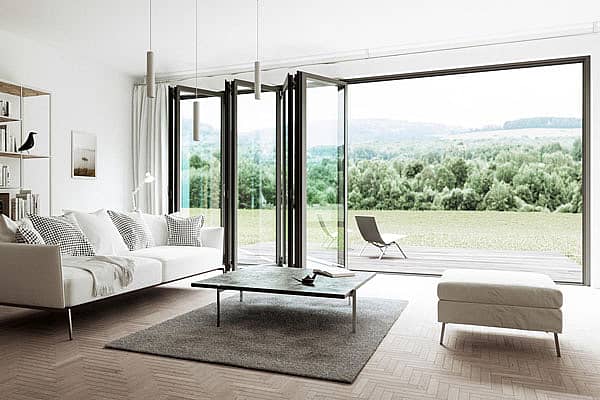
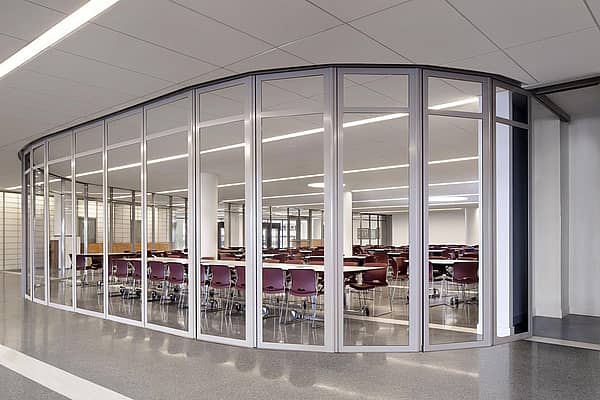

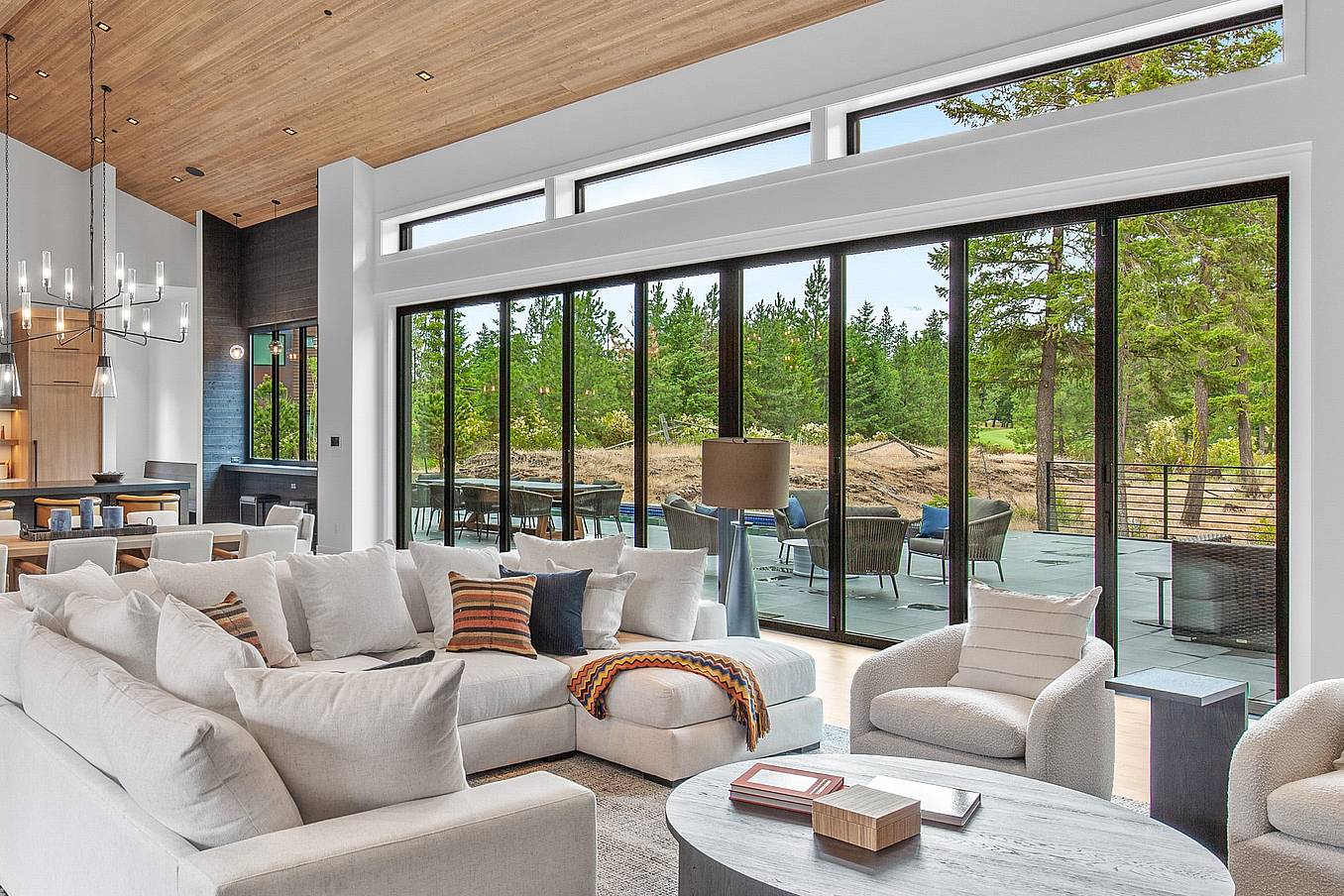
Slim framing has become one of the most visible trends in the folding glass wall market. Architects and designers want larger expanses of glass and less visual interruption, and manufacturers are responding with increasingly narrow profiles. But when nearly every folding glass wall system is described as “slim,” the more useful questions are: How slim is it? How is that profile engineered? And does the performance support the claim?
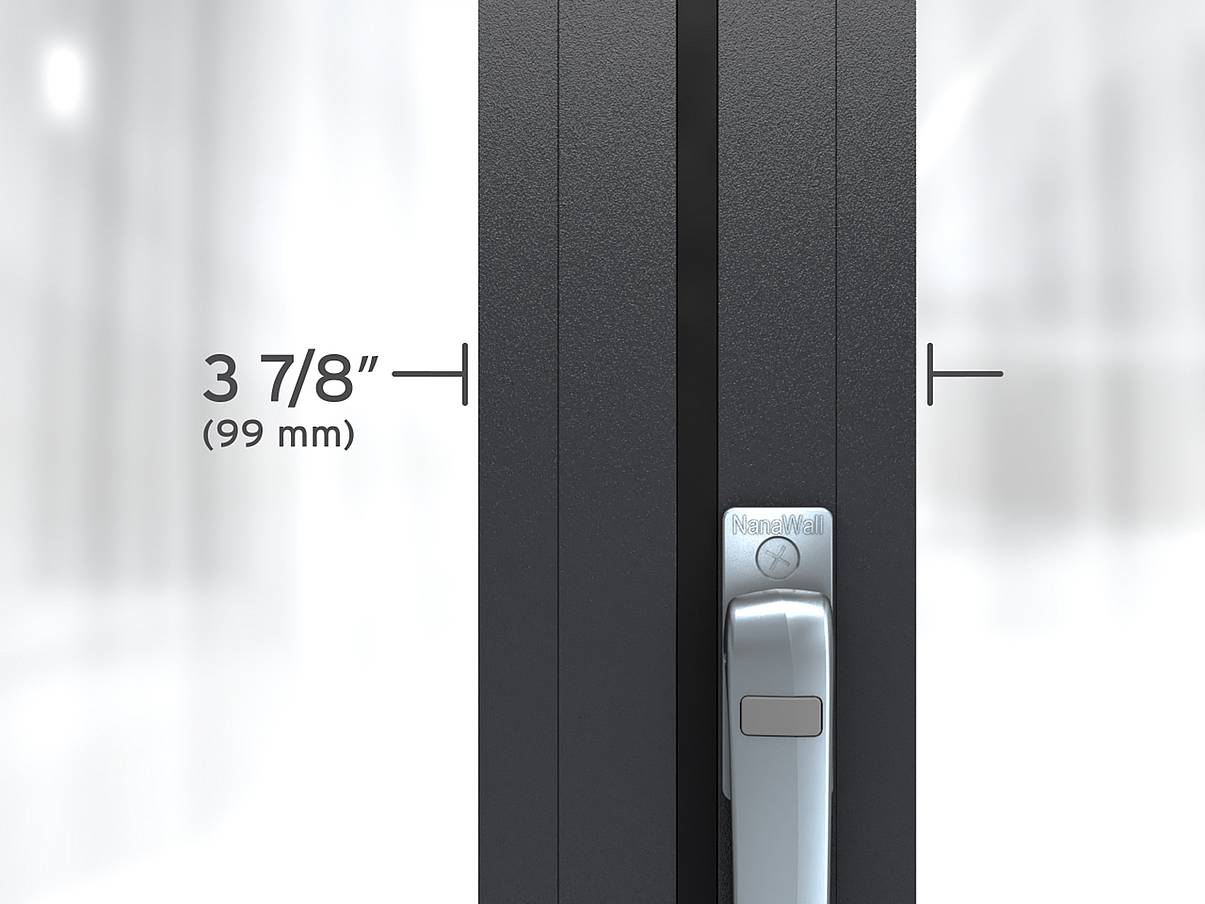
At NanaWall, this conversation is not new. Slim profiles have been part of our approach to folding glass doors and walls for years, and the Generation 4 NW Aluminum 640 continues that focus with a 3 7/8-inch combined sightline and 1 3/4-inch individual stile. Those dimensions are important, but they are only part of the story. A folding glass wall system has to deliver more than a minimal appearance. It also has to perform as an exterior opening, with tested results for air, water, thermal, and structural performance.
What Makes a Folding Glass Wall System Truly Slim?
When evaluating an aluminum framed folding glass wall, the combined sightline is one of the clearest ways to compare visual impact because it represents the frame where two adjacent panels meet. In our 2026 competitive review, the NW Aluminum 640 measured 3 7/8 inches (99 mm) at the combined sightline, compared with 4 3/8 inches (112 mm) for LaCantina® V2 and 4 5/8 inches (117 mm) for Panda Windows & Doors FTS.60. That makes the LaCantina® sightline approximately 12.9% wider than the NW Aluminum 640, while Panda's is approximately 19.4% wider.
The individual stile provides another useful measure. The NW Aluminum 640 is 1 3/4 inches (45 mm), compared with 2 1/8 inches (54 mm) for LaCantina® V2 and 2 1/16 inches (52 mm) for Panda FTS.60. In a folding glass door or bifold door application, where several panels come together across a large opening, those differences become part of the overall visual field. The goal is not simply a narrow individual profile. It is a folding glass wall system that keeps the framing visually restrained across the opening.
The Engineering Behind a Slim Aluminum Framed Folding Glass Wall
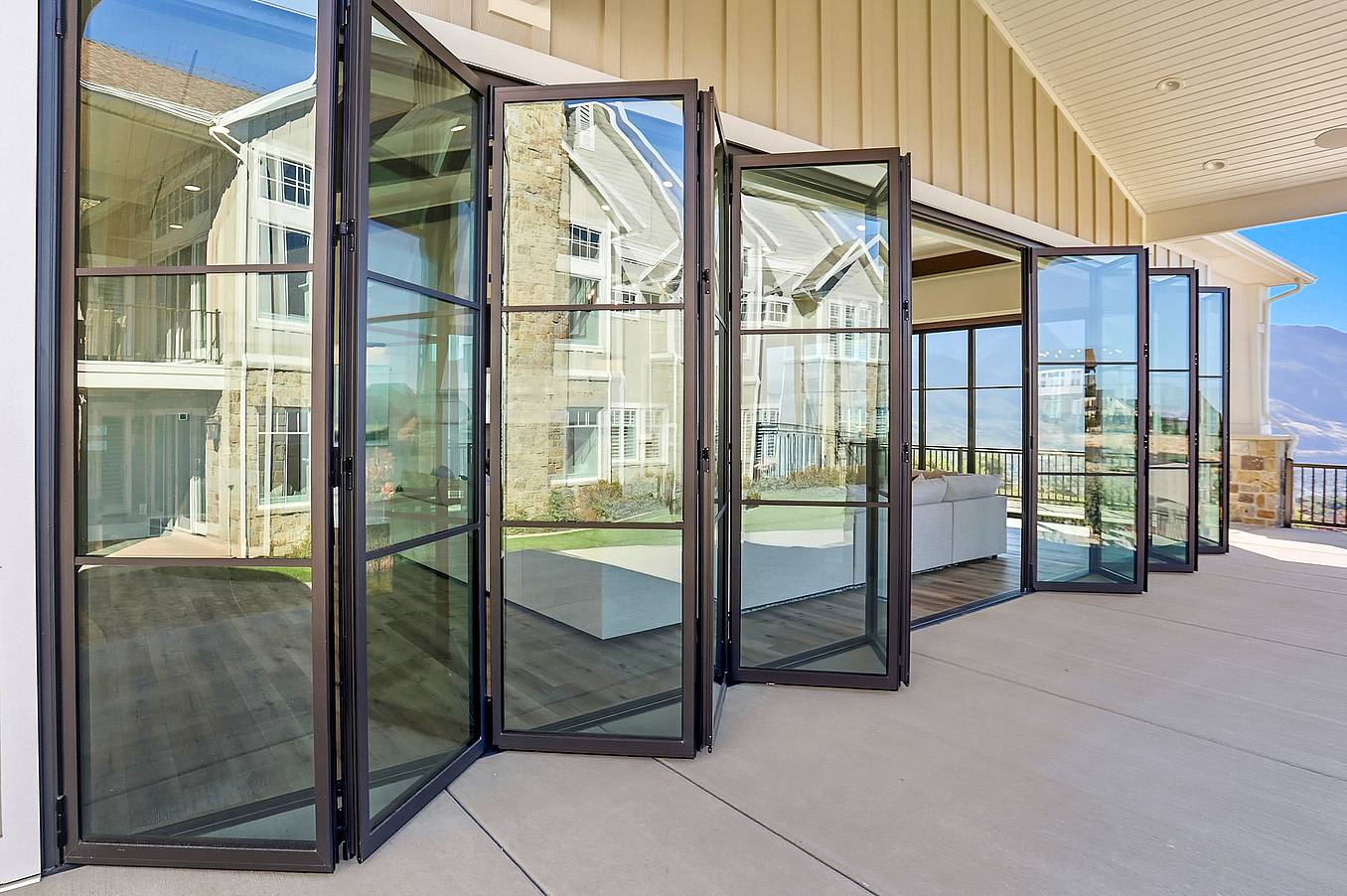
Getting a folding glass wall system down to a narrow profile requires more than reducing the amount of aluminum. The hardware and thermal components still have to fit within the frame, which is where NanaWall's patented Bionic Turtle® single-piece thermal break becomes particularly important. The Bionic Turtle design provides an insulating thermal break within the frame profiles while also housing the system's locking rods within the thermal break itself, rather than positioning them alongside it. Integrating those functions into a single component helps make the extremely slim profile of the NW Aluminum 640 possible.
This distinction matters when evaluating a slim aluminum folding glass wall system. The minimal appearance is not simply the result of using less material. It comes from engineering the components within the frame differently. The Bionic Turtle thermal break combines thermal separation with a concealed channel for the locking rods, allowing the system to maintain a narrow profile while accommodating the hardware and performance requirements of a large, operable exterior opening.
How Does NanaWall NW Aluminum 640 Compare with Other Folding Glass Doors?
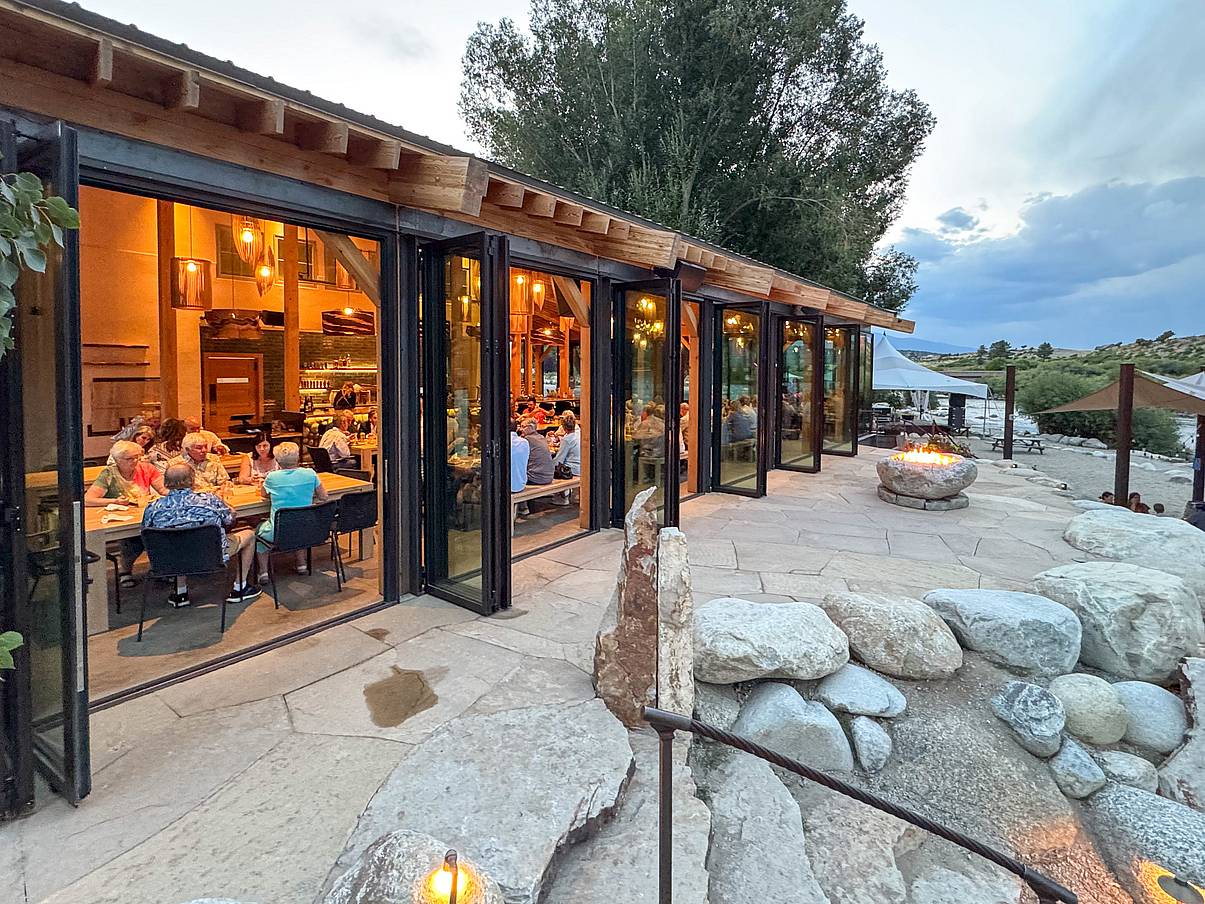
The numbers are especially useful when folding glass wall systems are compared side by side. The following 2026 comparison looks at the NW Aluminum 640 with two competing thermally broken aluminum folding door systems, using manufacturer-published specifications and available performance documentation for the configurations represented.
| Feature | NanaWall NW Aluminum 640 (Performance Sill) | NanaWall NW Aluminum 640 (Saddle Sill) | LaCantina V2 (Weather Resistant Sill) | Panda FTS.60 (sill unknown) |
| Combined Sightline | 3 7/8" (99 mm) | 3 7/8" (99 mm) | 4 3/8"(112 mm) | 4 5/8" (117 mm) |
| Individual Stile Width | 1 3/4" (45 mm) | 1 3/4" (45 mm) | 2 1/8" (54 mm) | 2 1/16" (52 mm) |
| % Wider than NanaWall | -- | -- | 12.9% Wider | 19.4% Wider |
| Air Infiltration | 0.03 cfm/sq ft @ 75 Pa | 0.12 cfm/sq ft @ 75 Pa | 0.26 cfm/sq ft @ 75 Pa | 0.11 cfm/sq ft @ 75 Pa |
| Water Penetration | No uncontrolled water entry @ 9.00 psf | No uncontrolled water entry @ 5.43 psf | No leakage @ 10.65 psf | 6.89 psf |
| Best U-Value | 0.24 (Triple) As low as 0.19 with VIG | 0.24 (Triple) As low as 0.21 with VIG | 0.25 (Triple) | 0.32 (Standard) |
| Design Pressure | +50/–55 psf inward; +55/–50 psf outward | +50/–50 psf | DP 35 | +45.11 psf |
| System Support | Floor Supported | Floor Supported | Top-hung | Top-hung or Floor Supported |
| Max Panel Height | 11' 6" | 11' 6" | 12' 0" | 10' 0" |
| Florida Approval # | FL38736 | FL38736 | FL41700 | NONE |
Competitive specifications compiled from manufacturer-published product information and available performance documentation as of 2026. Performance varies by configuration, glass package, sill, opening direction, and testing conditions. Verify project-specific requirements and complete test reports with the manufacturer. LaCantina® is a registered trademark of LaCantina Doors, Inc. Panda Windows & Doors is a trademark of Panda Windows & Doors, Inc. NanaWall® and Bionic Turtle® are registered trademarks of Nana Wall Systems, Inc.
The comparison table separates a visual claim from measurable performance. NanaWall NW Aluminum 640 has the narrowest combined sightline in this comparison, but the folding glass wall system also brings documented performance to the discussion. With the Performance Sill, NW Aluminum 640 achieves 0.03 cfm/sq ft air infiltration at 75 Pa, compared with 0.26 for LaCantina® V2 and 0.11 for Panda FTS.60 in the configurations represented. At that test pressure, the NanaWall Performance Sill result is approximately 8.7 times lower than LaCantina's and 3.7 times lower than Panda's, based on the published figures. The Low Profile Saddle Sill records 0.12 cfm/sq ft at 75 Pa.

A Slim Folding Glass Wall Must Perform in the Real World
A narrow profile has little value if achieving it requires compromising the performance of the architectural opening. NanaWall NW Aluminum 640 addresses that concern with a best U-value of 0.24 with triple glazing and a documented design pressure of +50 / –55 psf for the tested Performance Sill configuration. The system can accommodate panels up to 11’ 6” high, allowing architects to combine the slim profile with the substantial panel dimensions often expected in contemporary residential and commercial projects.
The sill options also show why performance must be considered in the context of the entire folding glass wall system. The Performance Sill achieves a 9.00 psf water penetration rating, while the Low Profile Saddle Sill achieves 5.43 psf and provides an ADA-compliant transition for applications where accessibility and ease of passage matter. Rather than treating the sill as a secondary detail, consider how the complete folding glass door assembly is intended to perform in the application.

For Interiors, the NanaWall NW Acoustical 645 tested to a unit STC 45.
Floor Supported Design Adds Another Dimension to the Comparison
The way a folding glass wall system is supported is another specification that can get lost when the conversation focuses almost entirely on sightlines. NanaWall NW Aluminum 640 is floor supported, while the LaCantina® V2 in this comparison is top-hung, and Panda FTS.60 is offered in top-hung or floor supported configurations. With a floor supported folding glass door, operating loads are transferred to the floor rather than relying on the same type of overhead structural support required by a top-hung system.
For architects and builders, that difference can affect structural coordination and construction requirements. NanaWall Floor Supported Technology is specifically designed for applications where header load-bearing capability is a concern, with the potential to reduce structural requirements and limit the need for extensive pre-cambering.
Performance Testing Gives a Slim Folding Glass Wall System Context
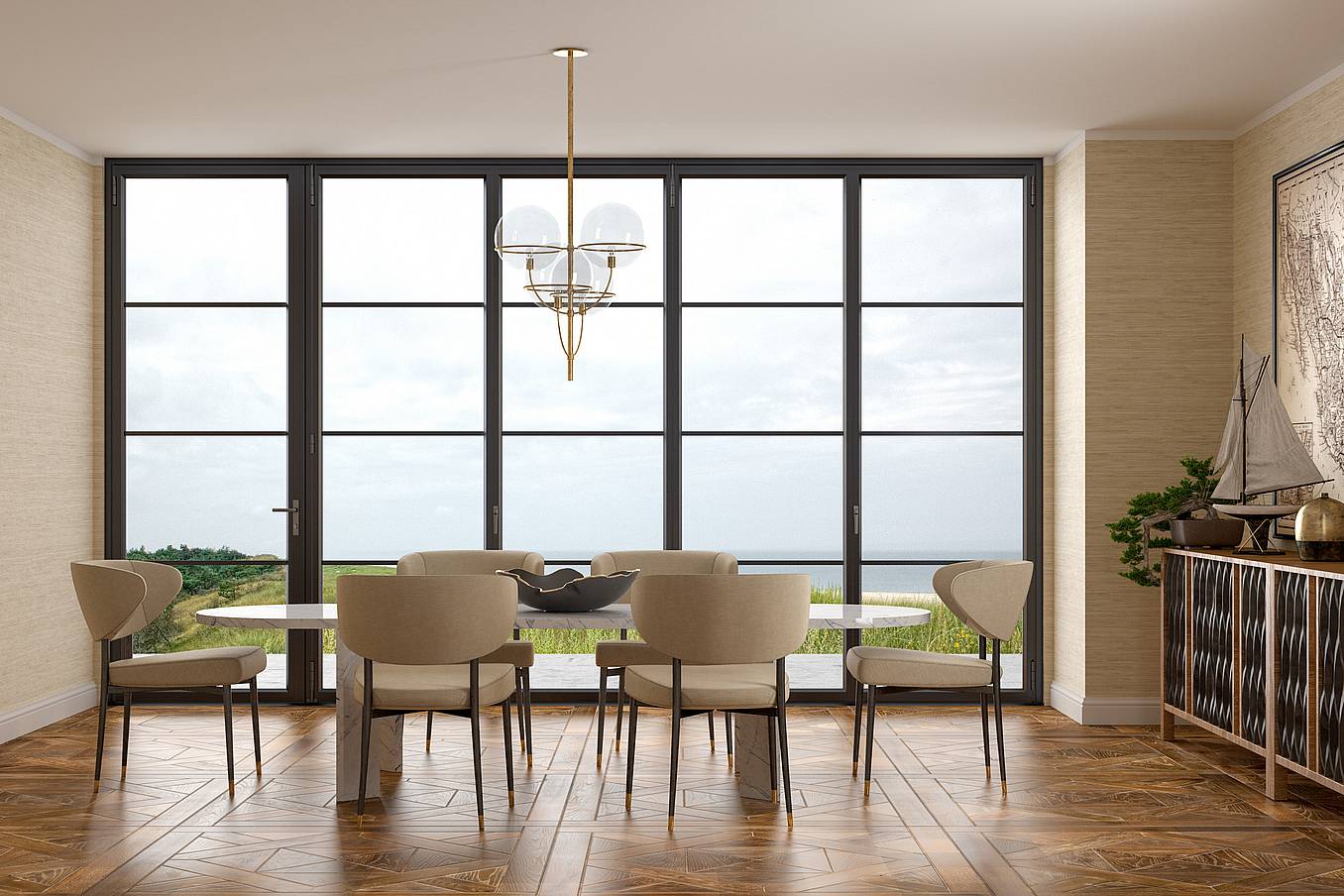
This is ultimately where I think the conversation about minimal framing needs to go. “Slim” is an attractive descriptor, but it does not tell an architect how a folding glass wall system will perform once it becomes part of the building envelope. Sightline dimensions tell one part of the story. Independent testing for air infiltration, water penetration, structural performance, thermal performance, and other criteria tells another. Those results provide a more complete way to evaluate what lies behind the slim profile, not simply what it looks like.
For NanaWall, the performance story is documented through independent testing and published results, not simply through a claim made in marketing copy. NW Aluminum 640 has been independently tested to applicable North American fenestration standards, with performance results published for review. The system carries Florida Product Approval FL38736. That documentation enables architects, specifiers, and builders to evaluate a folding glass door or folding glass wall system based on tested performance as well as profile dimensions. A slim profile means more when it can be measured, engineered, and supported by documented performance.
Slim Framing Is Not Limited to Aluminum
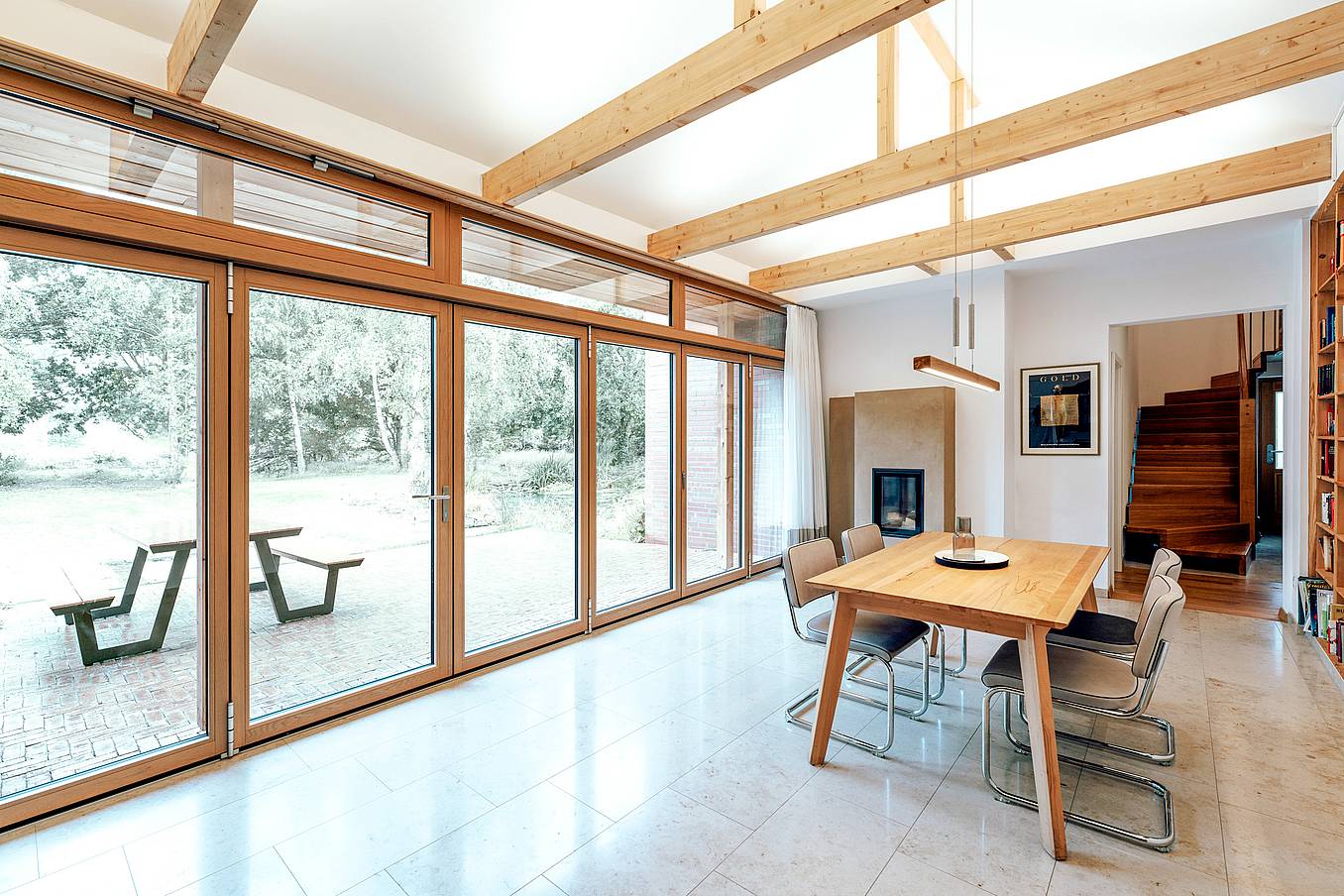
NanaWall NW Aluminum 640 may be the focus of this discussion, but NanaWall's approach to minimal framing extends beyond aluminum. NW Wood 540 and NW Clad 740 also offer exceptionally slim profiles, giving architects the option to achieve a slim folding glass wall aesthetic in wood and clad applications. These products address different material and architectural preferences, but the design objective remains consistent: maximize the glass and minimize the visual interruption created by the framing.
This broader product portfolio also reinforces an important point. Slim framing is not simply a response to a recent market trend at NanaWall. It is a design principle carried across multiple generations of NanaWall systems and materials. As more manufacturers promote narrow aluminum folding glass doors, the real comparison isn't about who has adopted a minimal aesthetic. It is about who has engineered the complete folding glass wall system to deliver it.
The Better Question Is Not Just “How Slim Is It?”
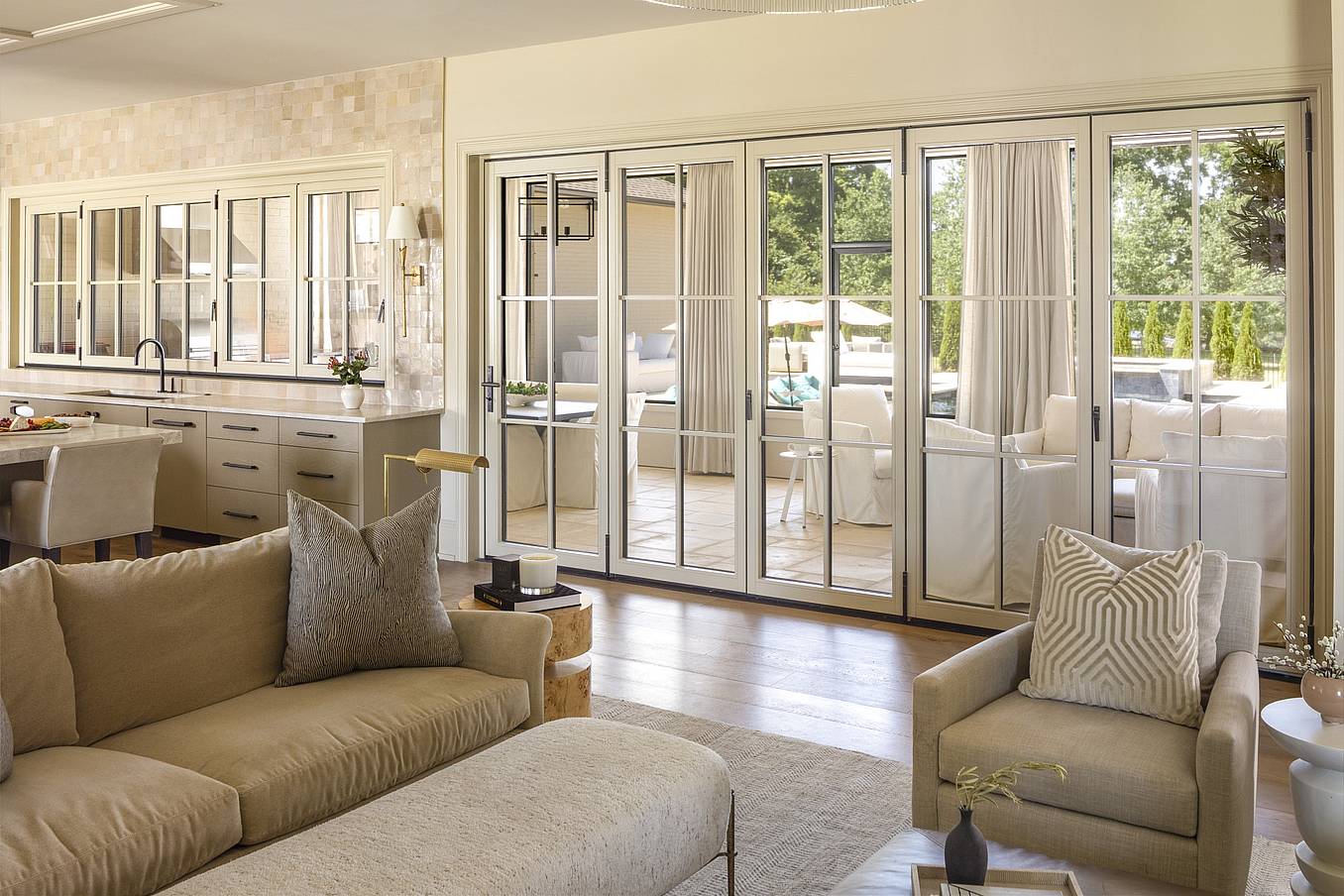
There is nothing wrong with wanting a slimmer folding glass wall system. A narrow frame can make a meaningful difference in how a room connects to a terrace, patio, pool deck, or landscape. But a photograph can’t show you the combined sightline, and a marketing phrase can’t tell you how the system performs for air, water, thermal, or structural requirements.
That is why the NW Aluminum 640 story goes beyond its 3 7/8-inch combined sightline. The patented thermal break helps make that slim profile possible by integrating the locking rods and providing insulation within the frame. The system's performance is documented through independent testing, specifications, and Florida Product Approval. The same design philosophy extends to NanaWall NW Wood 540 and NW Clad 740 folding systems, which bring slim profiles to other material options.
As competition around minimal framing continues to grow, “slim” should be more than a descriptor. It should be a measurable characteristic supported by engineering and performance data.
Explore the NanaWall difference with Generation 4 folding glass wall systems.
