

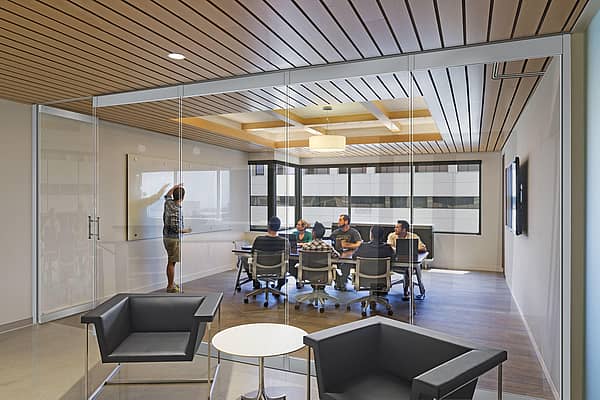
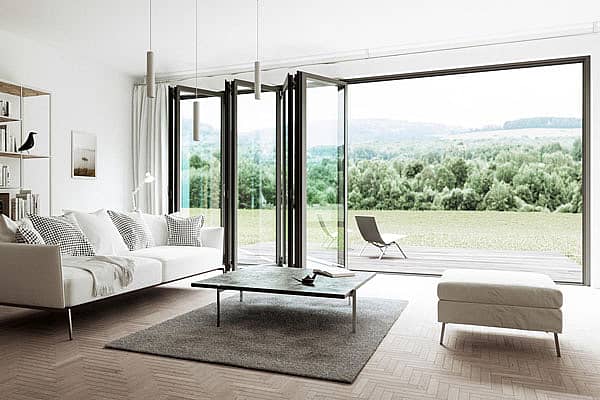
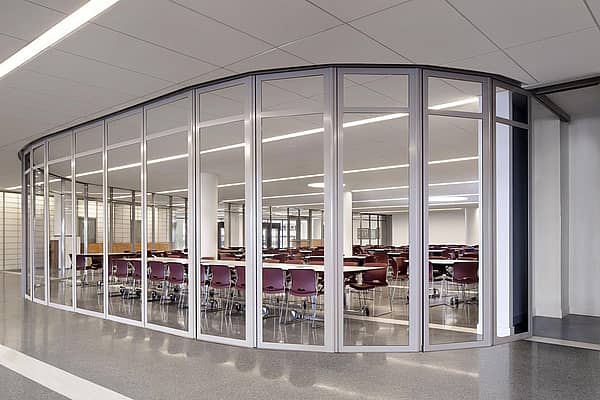
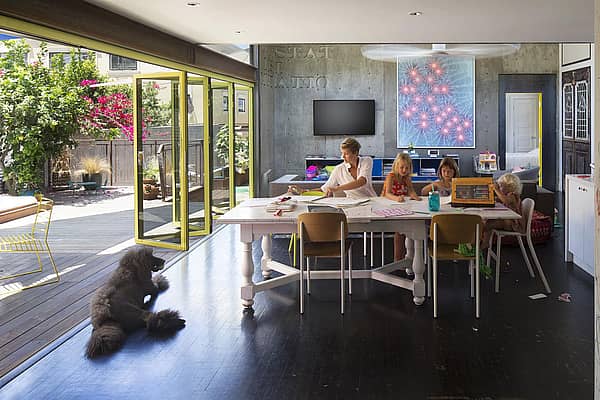
As energy codes continue to tighten across North America, NFRC-certified folding glass walls are becoming increasingly important for residential and commercial construction. Architects and builders are no longer evaluating large opening systems based solely on aesthetics, panel size, or operation. Today, verified thermal performance is essential to permitting, energy modeling, and long-term building efficiency.
From California Title 24 and the Washington State Energy Code to Massachusetts Stretch Code requirements and Canada’s push toward Net Zero Ready construction, the industry is moving toward stricter compliance standards that demand tested and certified performance data. In this environment, manufacturers relying on calculated assumptions rather than independently verified whole-system testing are facing growing scrutiny.
At NanaWall, we take pride in our transparent third-party testing at accredited labs. We believe the future belongs to operable glass wall systems engineered and tested for real-world performance, not theoretical claims.
Why NFRC-Certified Folding Glass Walls Matter More Today
For years, many manufacturers have published thermal values based on center-of-glass calculations or internal modeling assumptions. While those numbers may look competitive on paper, they often fail to account for the entire operable wall assembly, including the frame, panel interlocks, thermal breaks, sills, air infiltration, and weather seals.
“In today’s code environment, calculated performance is not the same as certified performance.”
That distinction matters even more for aluminum framed folding glass doors. Aluminum remains one of the strongest and most architecturally versatile materials for large openings, but it is also highly conductive. Without advanced thermal engineering and third-party testing, the difference between calculated glass performance and real-world whole-system performance can be significant.
This is where NFRC-certified folding glass walls create significant separation in the market. NFRC certification evaluates the performance of the whole system, not just the insulated glass. That means architects, builders, code officials, and energy consultants can rely on validated data during specification, modeling, and inspection. As regions across North America adopt more aggressive energy standards, verified whole-system testing is no longer a premium feature but a baseline expectation.
Energy Codes Are Raising the Bar
Energy compliance pathways are becoming increasingly demanding for both residential and commercial projects. In many territories, unrated fenestration products default to heavily penalized performance values during energy review, often making code compliance difficult or impossible.
This is especially relevant in regions such as:
- California, where Title 24 increasingly favors highly efficient fenestration systems with verified ratings
- Washington, Oregon, and Massachusetts, where advanced energy modeling requirements rely on certified performance data
- Canada and colder climate zones, where thermal efficiency standards continue to accelerate toward Net Zero Ready targets
For folding glass wall systems, these changes are reshaping how products are evaluated. Manufacturers can still publish calculated U-values without NFRC certification, but many architects and builders are recognizing the risks associated with relying on unverified performance claims.
“As energy codes evolve, NFRC-certified performance is becoming increasingly important for residential and commercial construction because energy compliance now depends on verified whole-system testing, not assumptions.”
Why Triple Glazing Alone Is Not Enough
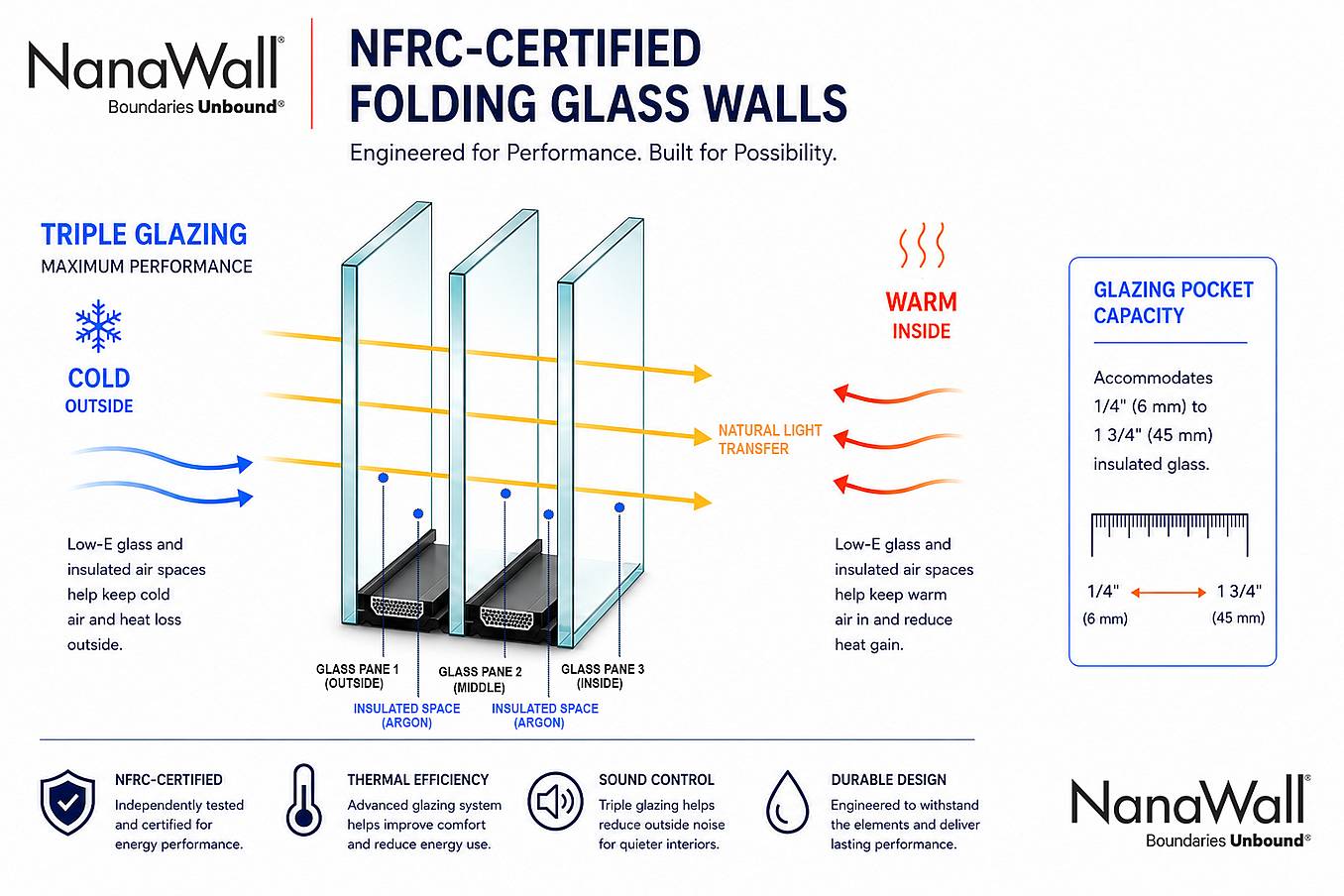
Triple glazing is rapidly becoming part of the high-performance building conversation, particularly in colder climates and mixed climate zones pursuing aggressive energy-efficiency goals. Better insulated glass packages can improve comfort, reduce the potential for condensation, and achieve lower overall U-values. However, glass alone does not determine the thermal performance of aluminum framed NFRC-certified folding glass walls.
Operable wall systems require comprehensive engineering because they include multiple moving panels, interlocks, seals, thermal breaks, sills, and structural framing that directly affect thermal and air infiltration performance. Without a properly engineered frame and an independently tested assembly, impressive glass specifications may not translate into equally strong whole-system results.
That is why NFRC-certified folding glass walls continue to gain importance in today’s residential and commercial building design. Certification validates how the entire system performs under standardized testing conditions rather than relying on assumptions about isolated components.
NanaWall’s Commitment to Tested Thermal Performance and NFRC-Certified Folding Glass Walls

At NanaWall, performance validation has long been central to how we engineer aluminum framed folding glass wall systems. Our focus goes beyond simply achieving competitive published numbers. It is delivering systems that architects and builders can specify with confidence as energy requirements continue to evolve.
NanaWall offers comprehensive third-party testing and NFRC-certified performance data for both inswing and outswing folding systems, including advanced thermally broken aluminum designs engineered for demanding climates.
Our current high-performance aluminum folding systems include:
- NW Aluminum 640 with triple glazing, achieving U-values as low as 0.24
- NW Aluminum 840 with triple glazing, achieving U-values as low as 0.21
- Emerging VIG glass technology capable of achieving U-values as low as 0.19
These advancements position NFRC-certified folding glass walls to meet increasingly stringent energy codes while preserving the large opening aesthetics that architects, designers, and owners continue to demand.
For architects designing in climate-sensitive regions, verified thermal performance reduces uncertainty during specification and energy modeling. For builders, it minimizes the risk of costly compliance issues during permitting and inspection. And for owners, it provides confidence that the installed system is designed to perform as promised over the long term.

The Future of Large Opening Design
The direction of the industry is clear. Energy codes will continue to become more stringent as more regions adopt energy requirements, and the demand for transparency, verification, and accountability will only increase.
As that happens, NFRC-certified folding glass walls will play an even larger role in helping projects balance expansive openings with verified thermal performance. The conversation is no longer simply about maximizing glass or creating seamless indoor-outdoor experiences. It is about delivering operable systems that combine architectural design requirements with proven certified performance in the environments where it matters most.
When in doubt, we encourage you to visit the NFRC website to verify.
