

Starbucks Coffee

1 / 3
2 / 3
3 / 3

In December 1999, the Chicago suburb of Palatine revitalized their suburban downtown with row houses, condominiums, shops and a railway station. DLK Civic Design, an architecture firm based in Chicago, designed the Palatine Metra station house in 2001. The red-bricked transit hub looks like it was built in the 1890s, with its imposing clock tower and cross-gables that rise above a sloping hipped roof.

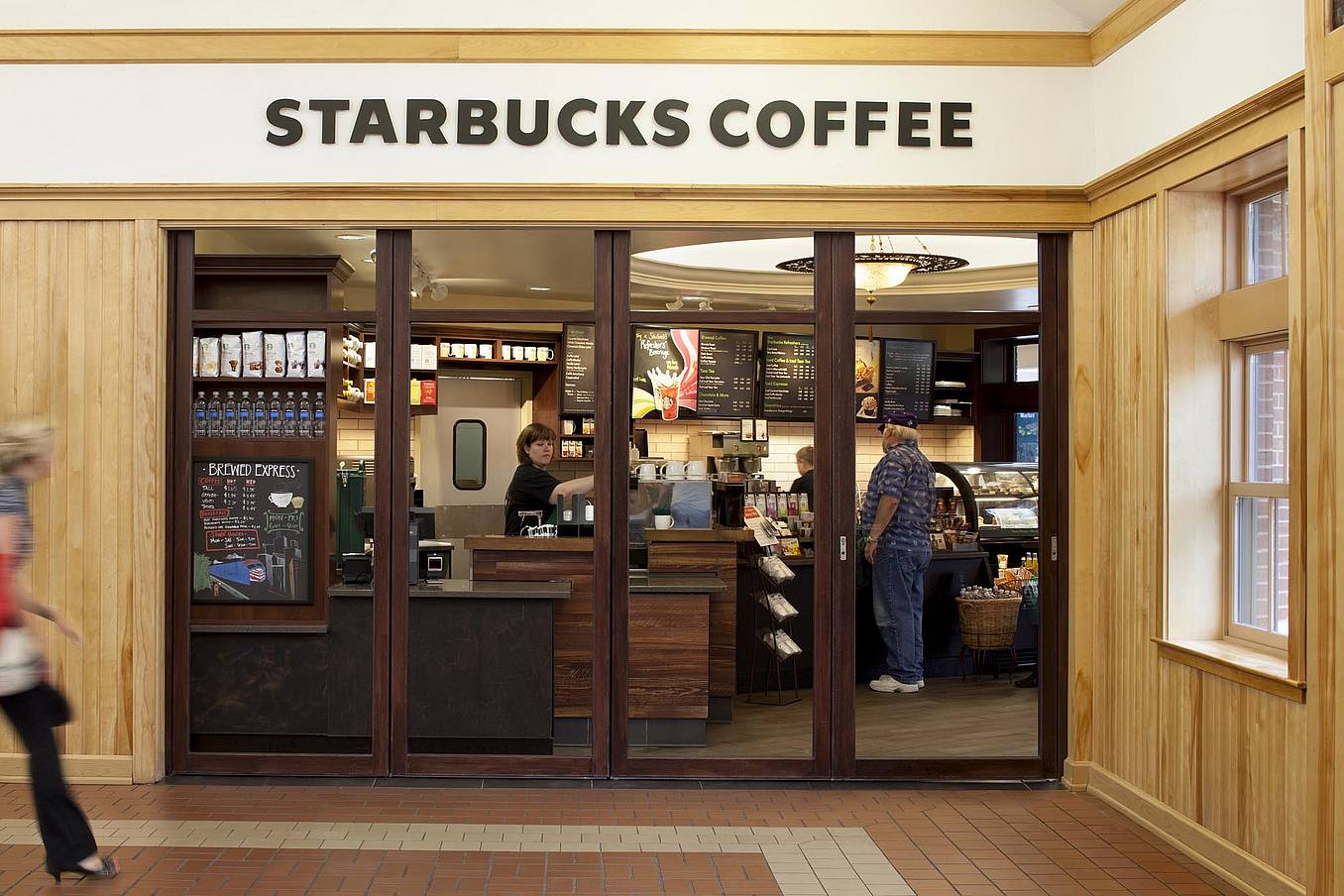
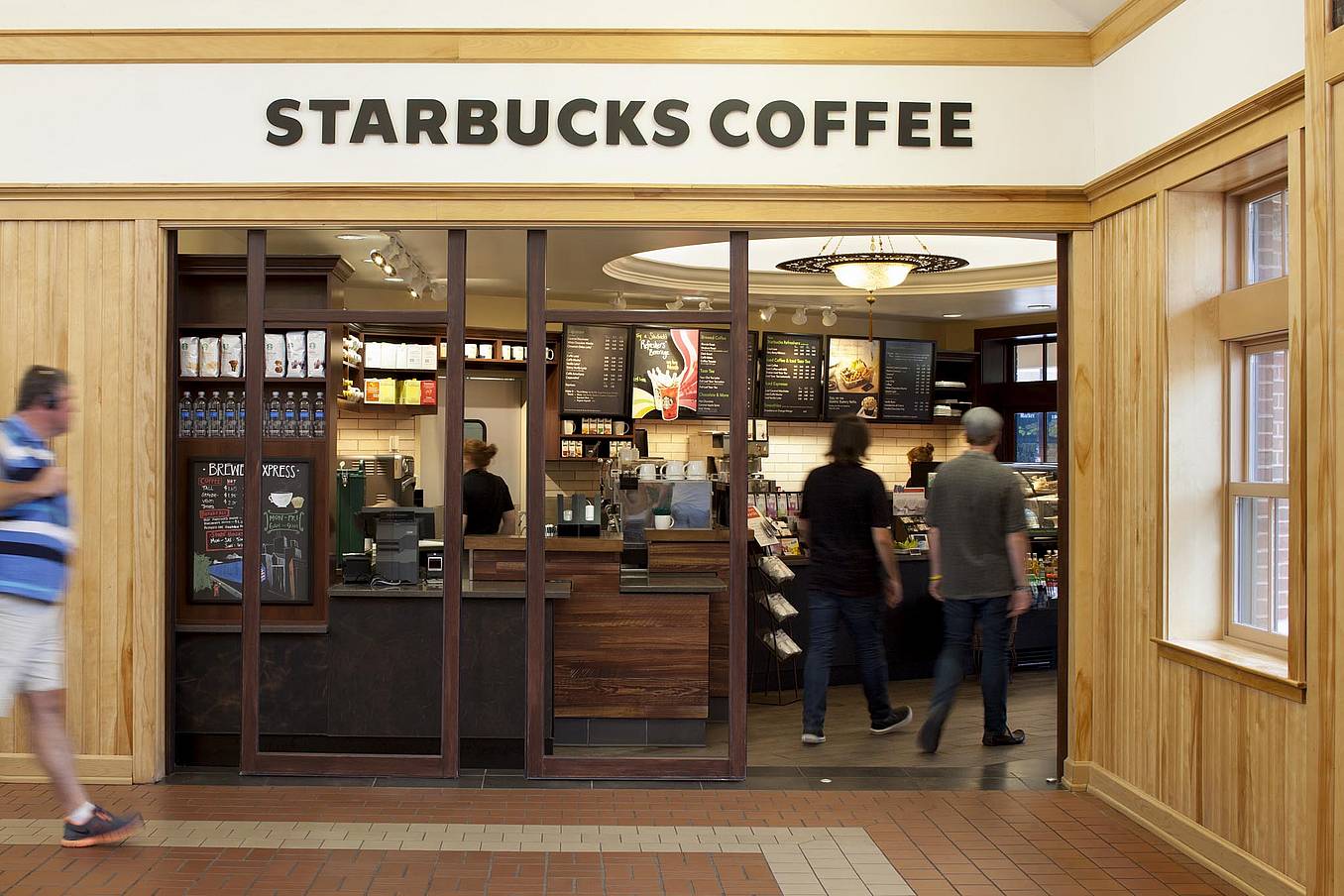
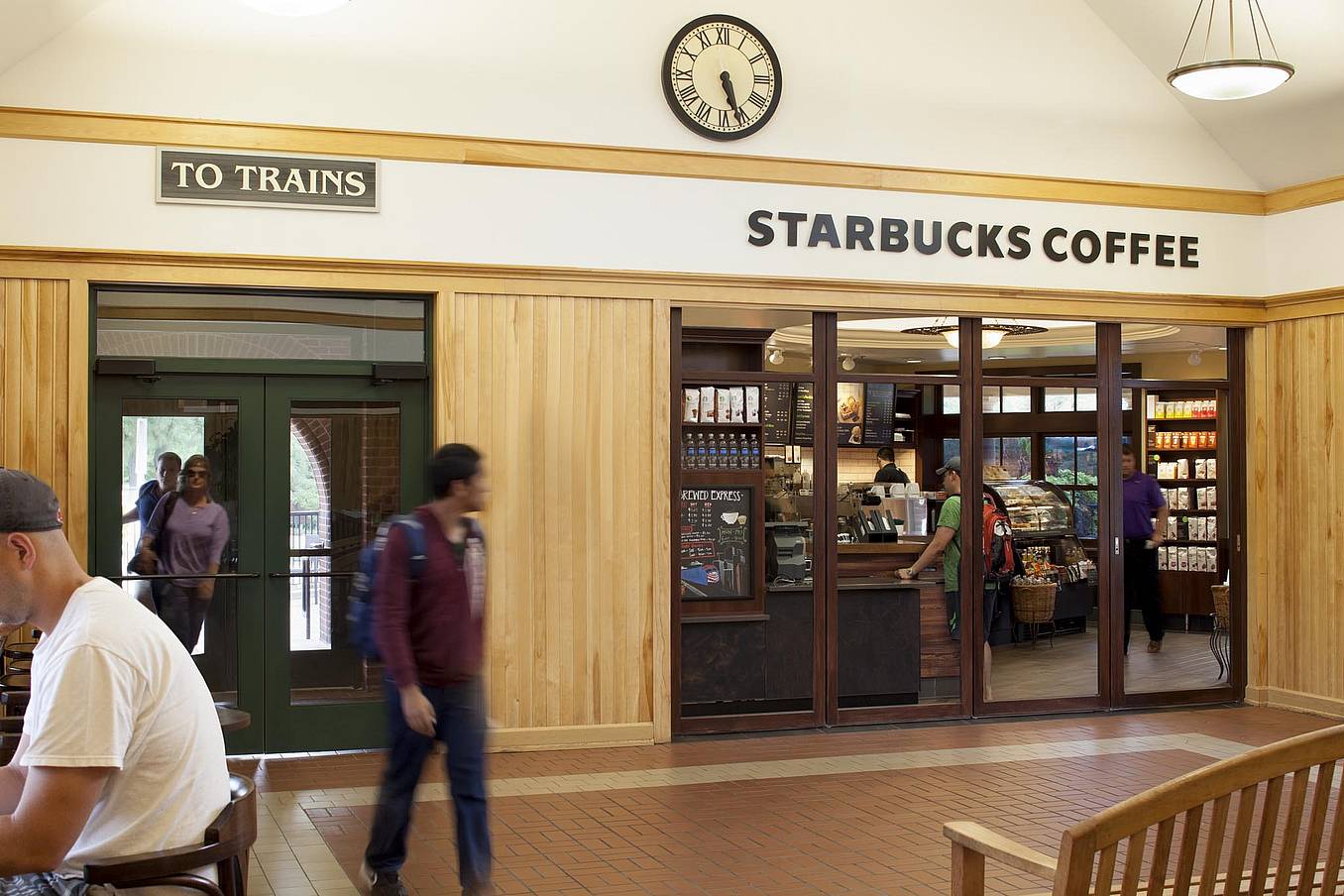
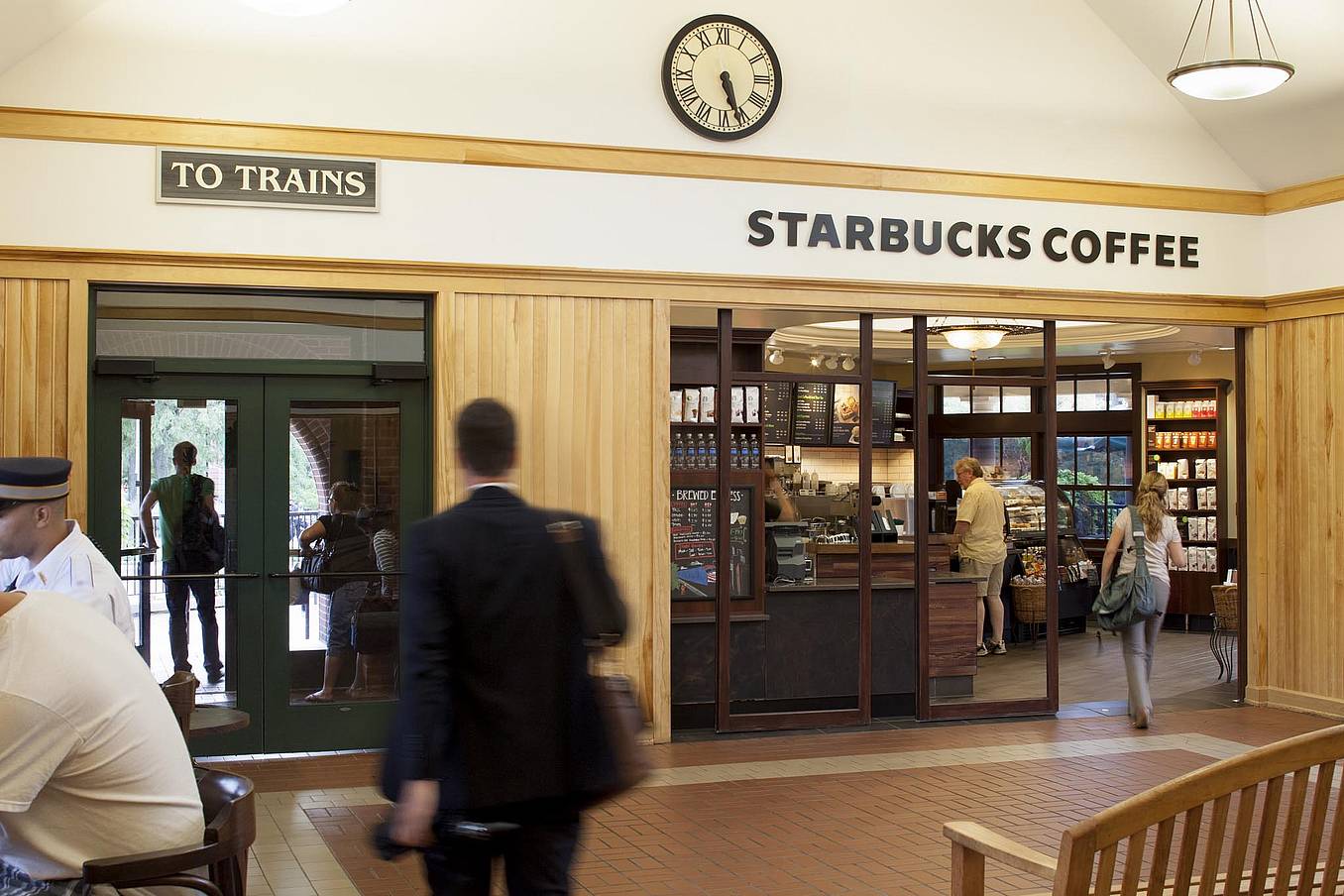
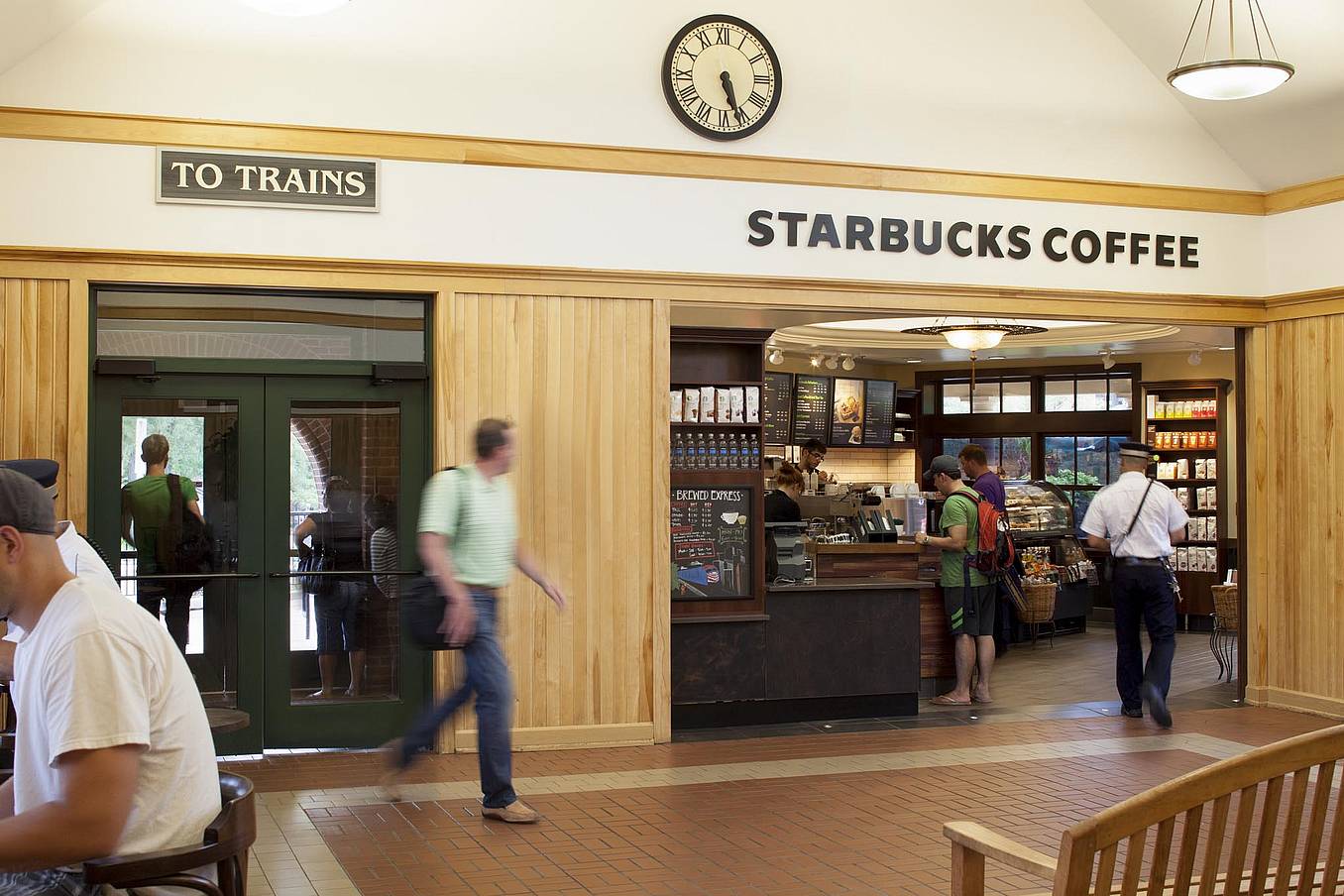
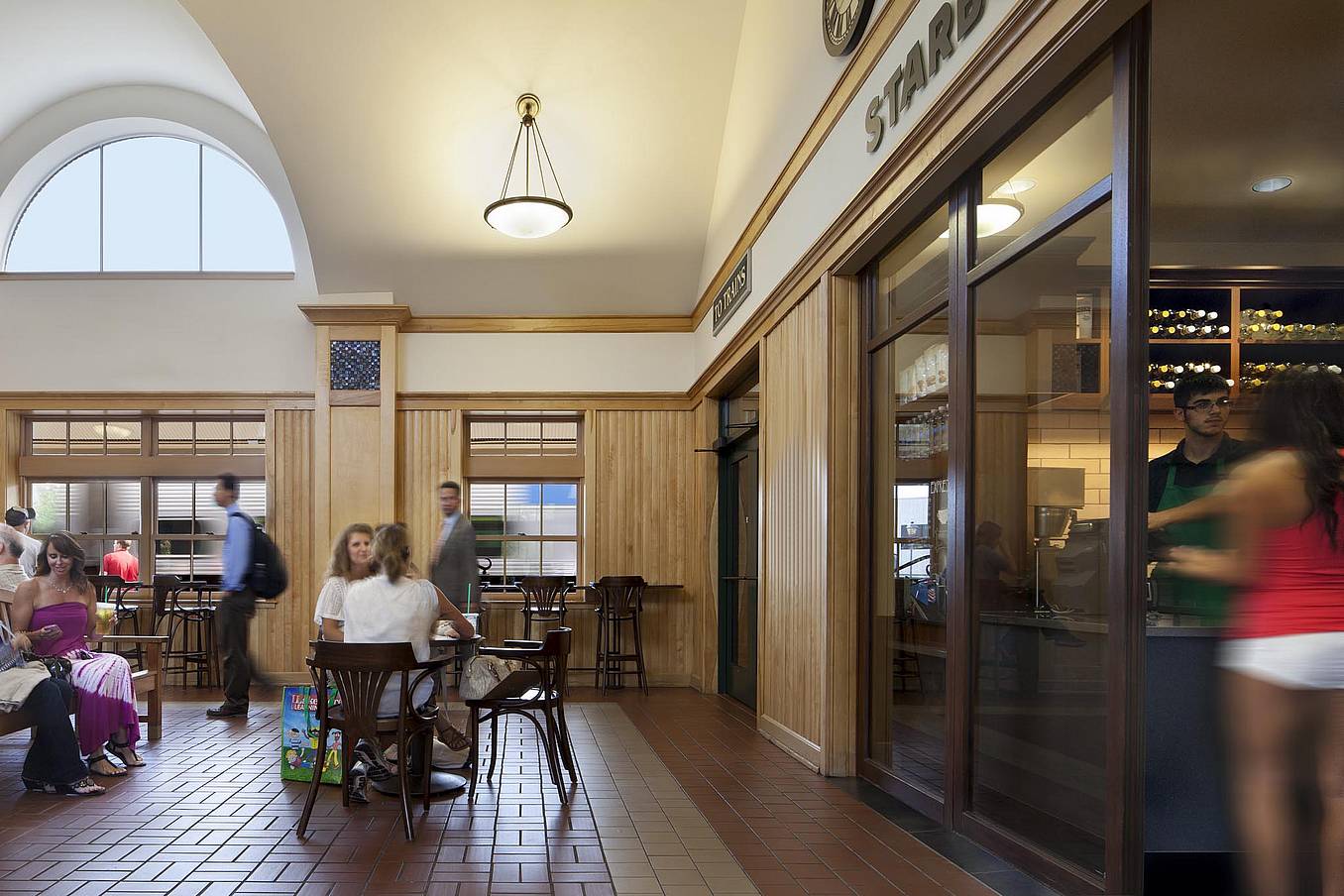
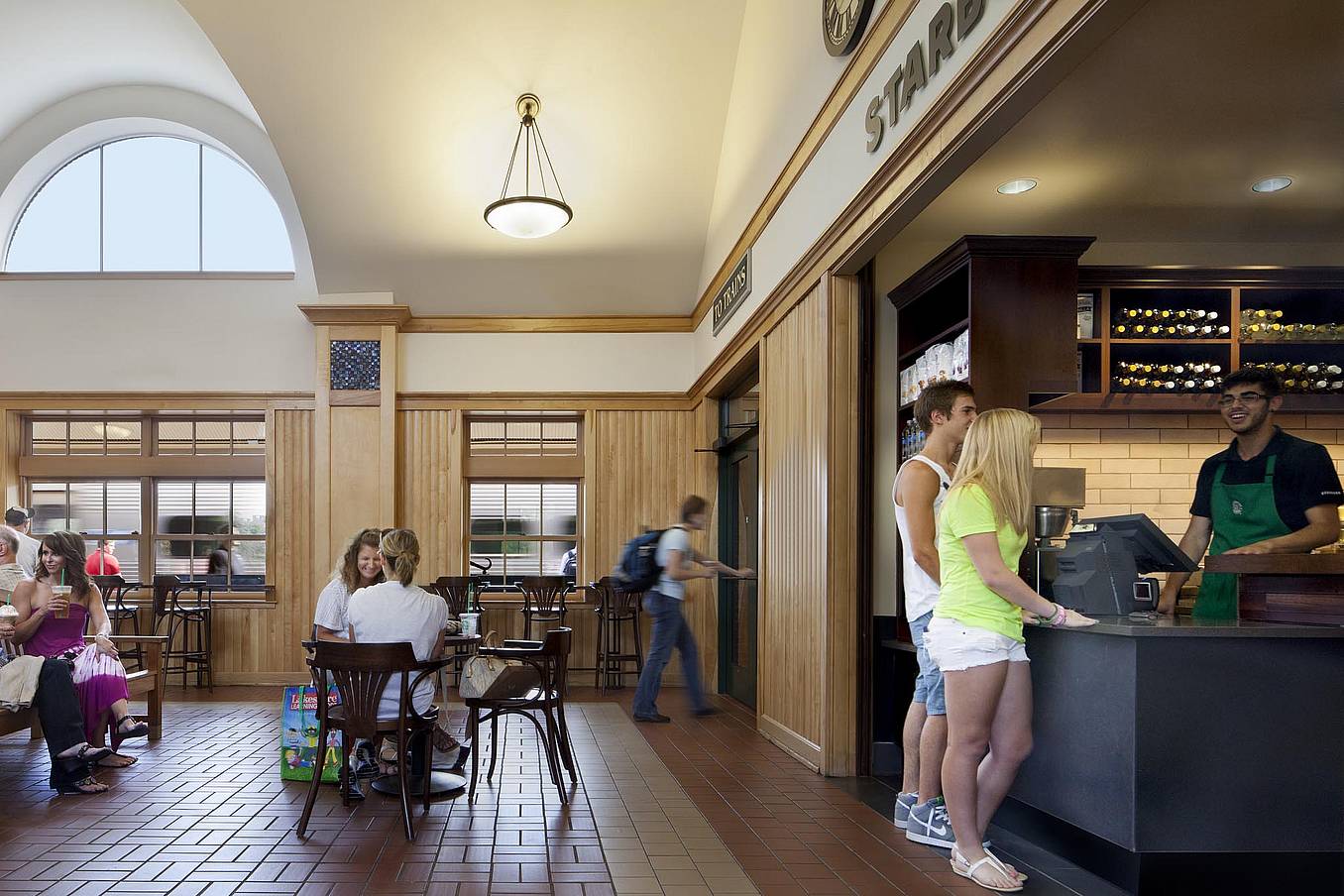
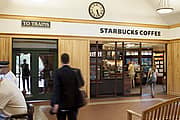
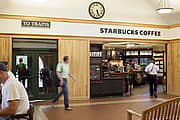
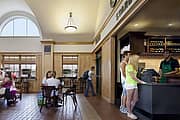
A pedestrian concourse, concession facilities and decorative canopies complete the passenger experience. Of note is the Starbucks café that travelers can access inside, through a single track sliding, four-panel NanaWall HSW66.
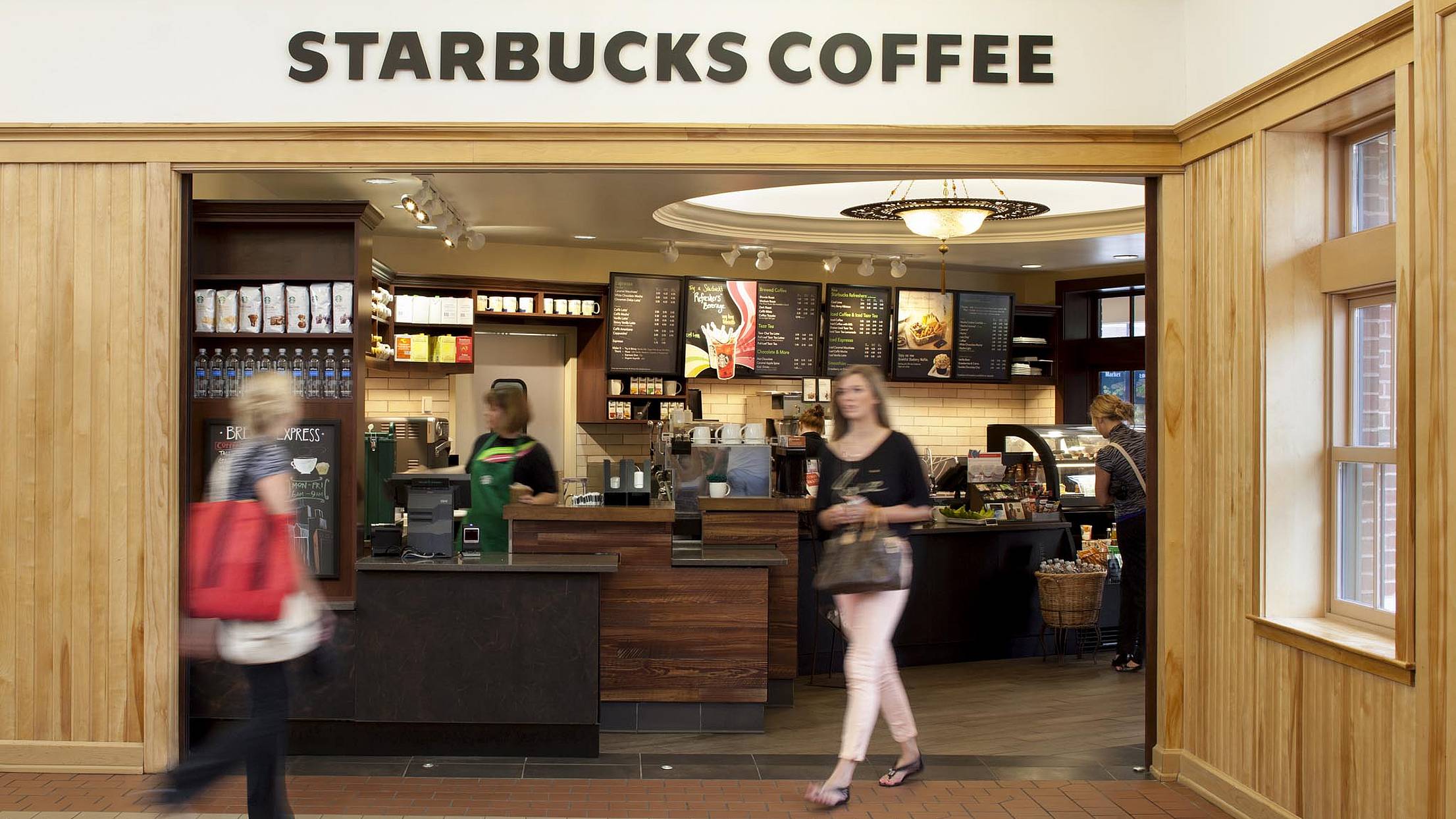
The Starbucks entrance needed the opening glass wall because of the extremely tight floor space, says Paul Ng, director of information services for Charles Sparks & Co., which oversaw the design of Starbucks. “The NanaWall allows for a more open space,” he says. “The store had a tight square footage. We consulted with a NanaWall engineer, and NanaWall fit our design.”

The Aesthetic of Wood

The design firm looked at other operable glass walls, but chose NanaWall because it “is one of the few companies that offers a wood finish” of exceptional quality, says Ng. The firm needed to match the other walnut stains on the floorboards, shelves, and counter spaces. Ng further comments, “After looking at its competitors, we saw that NanaWall had the best wood options.” Moreover, the team and Charles Sparks – a firm known for visual branding – was impressed with NanaWall’s presentation, particularly because they came in with a wide array of wood samples.

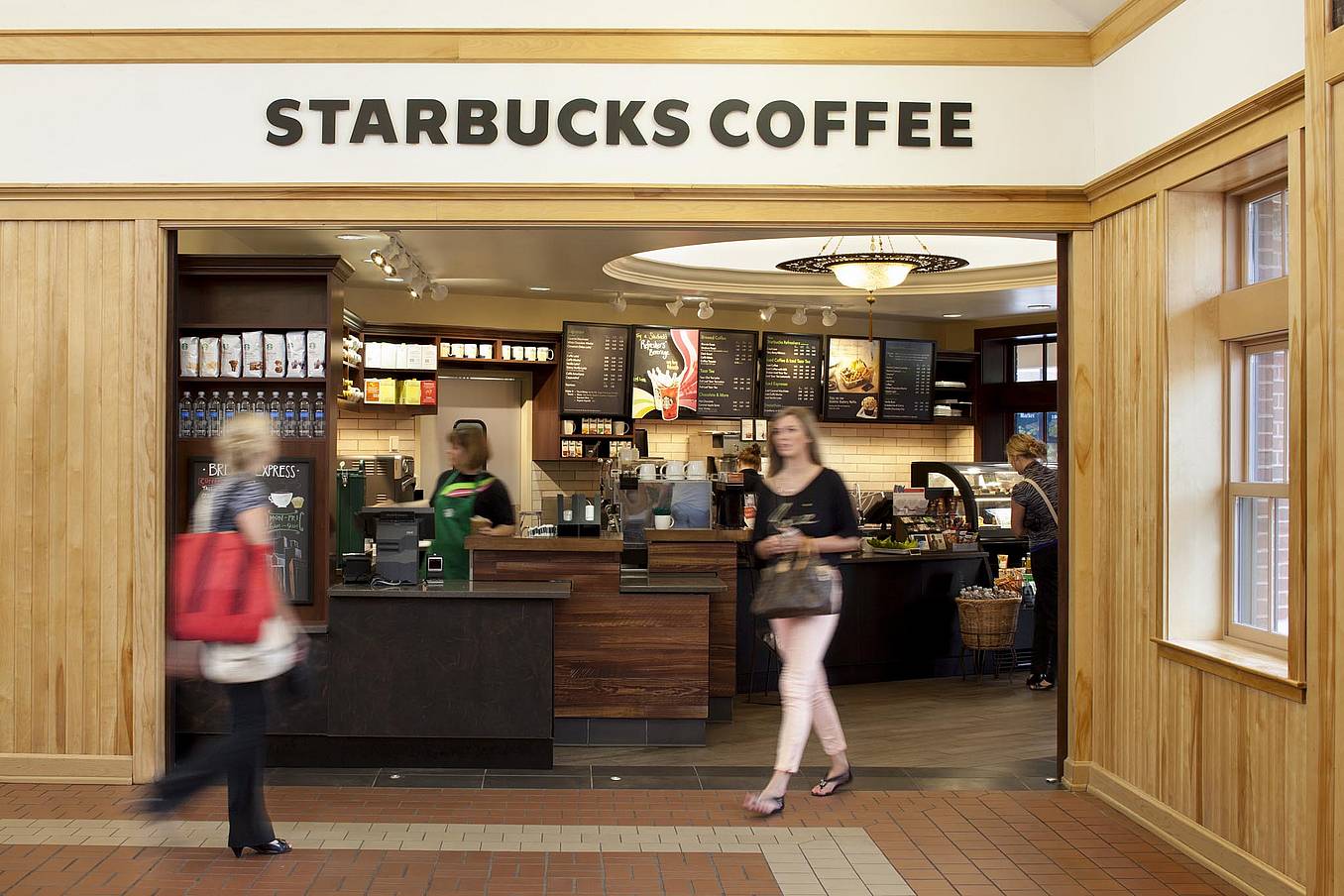
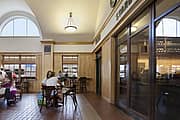
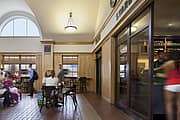
When the NanaWall opening is completely retracted, customers and staff become occupants of the extraordinary interior civic space DLK created in the waiting room. The cathedral ceilings, expansive natural lighting and arching vaults are a relaxing setting to sip warm coffee and read The Chicago Tribune.

“The NanaWall allows for a more open space the store had a tight square footage. We consulted with a NanaWall engineer, and NanaWall fit our design.”

The Charles Sparks team also chose NanaWall because the product allowed the firm to modify the appearance of the wall. They needed to parallel the station and café aesthetics. Specifically, a frame divides the upper third of the HSW66 system. Ng stated this was important because it allowed the firm

“to align the panels with existing door heights found in the train station, and the existing transoms found above the station doors and inside the café as well.”

1 / 3
2 / 3
3 / 3
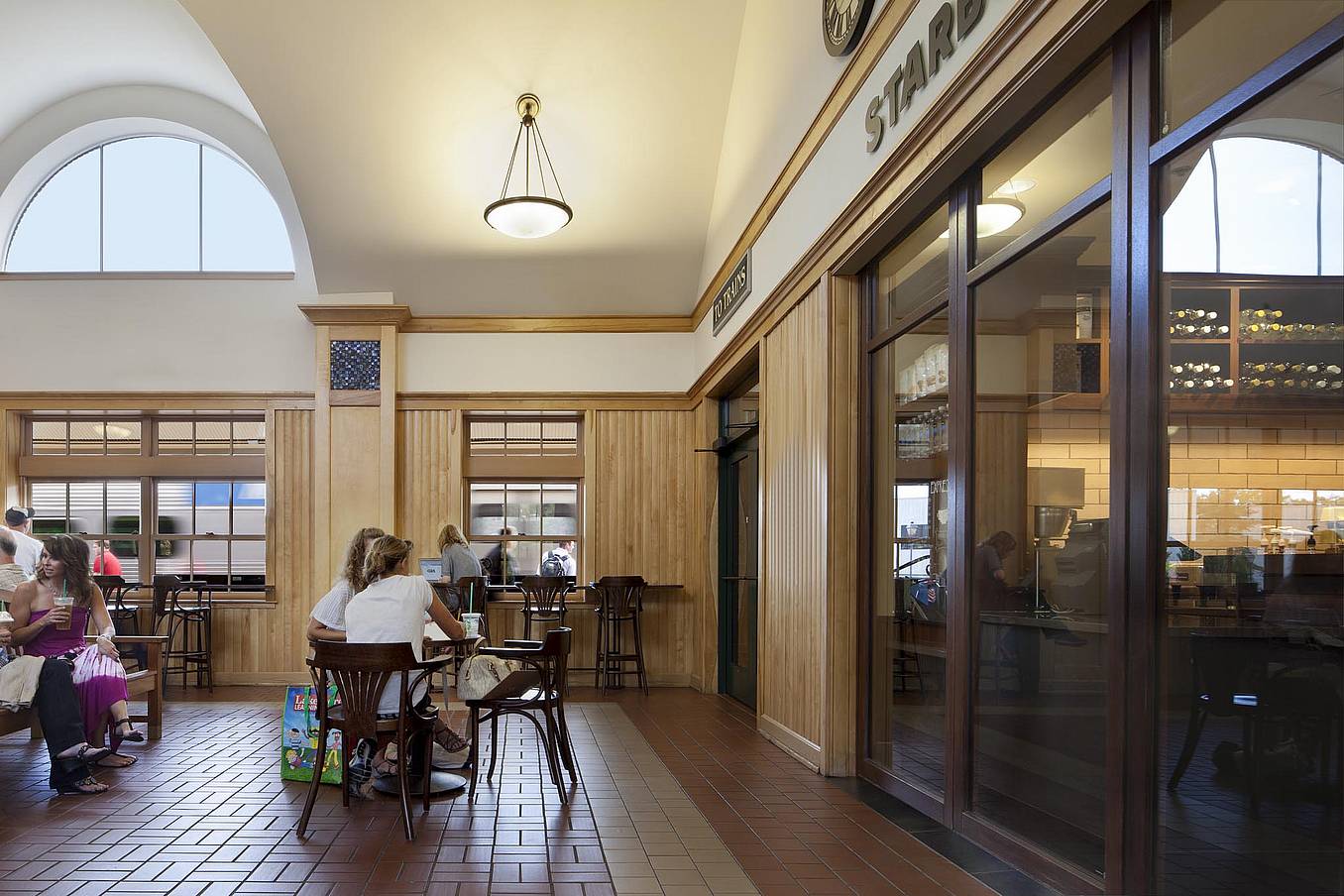
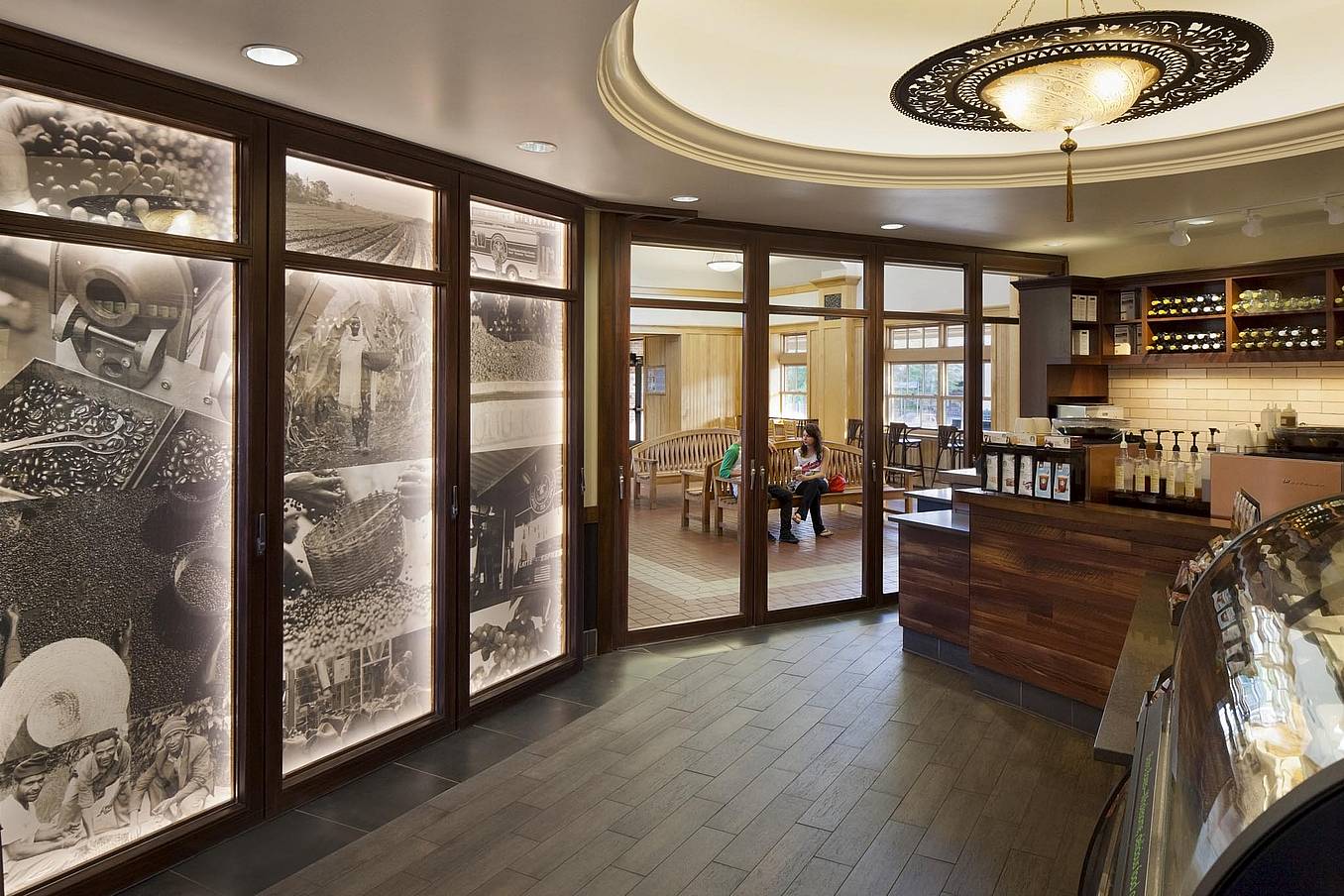
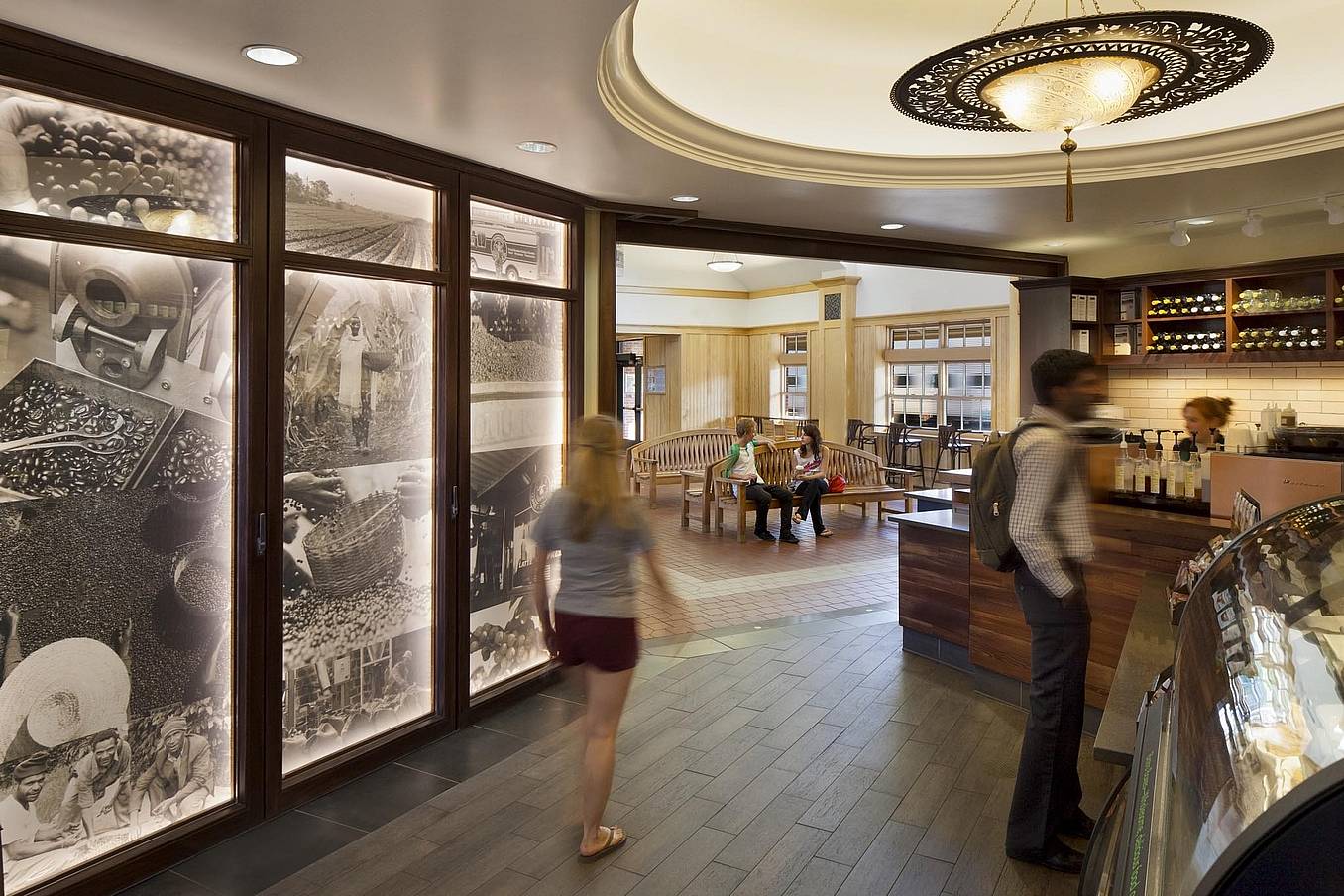
Modern Starbucks interior with wood-framed glass doors opening to a seating area with benches, showcasing an inviting retail space.

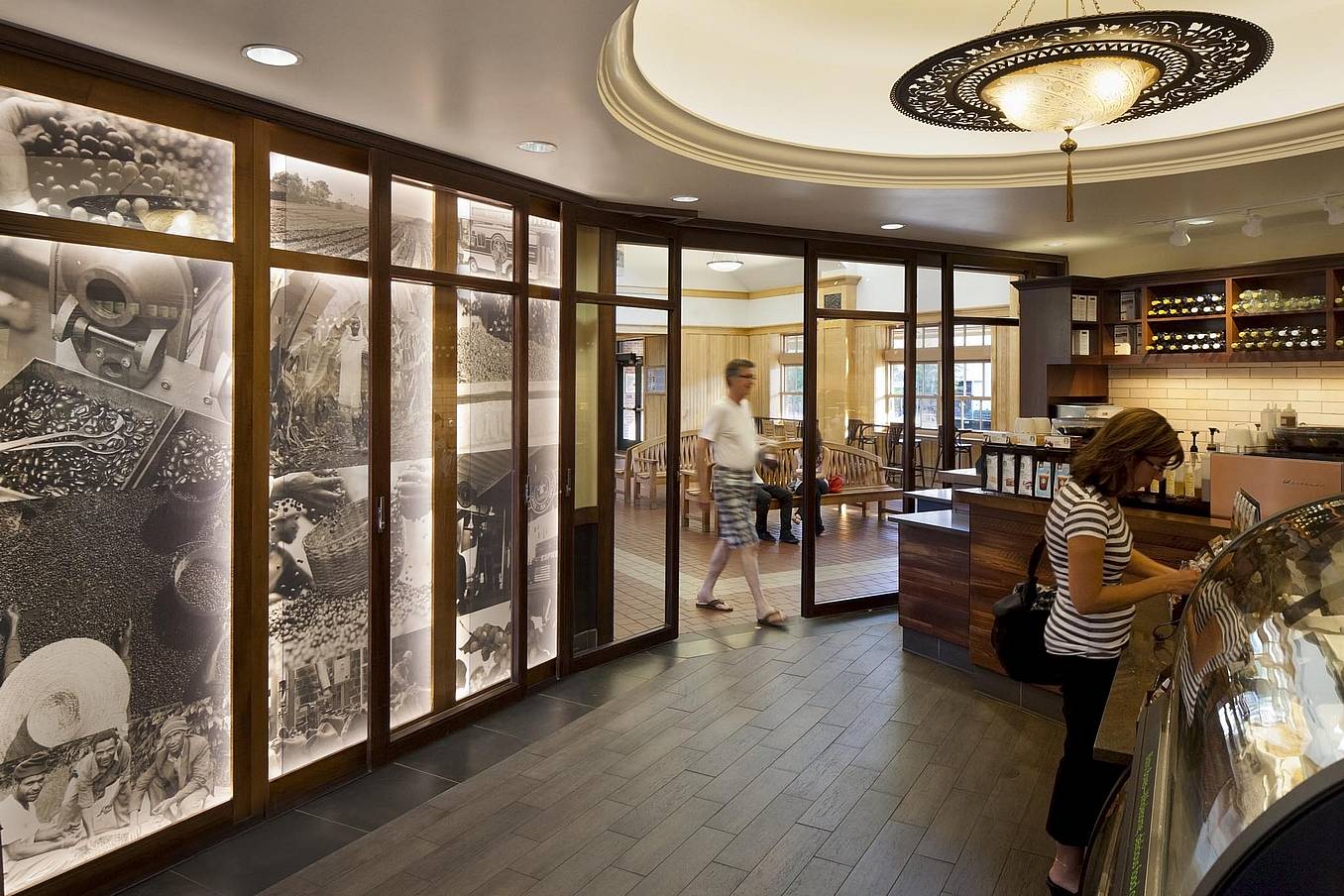
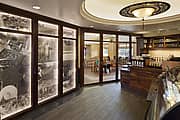
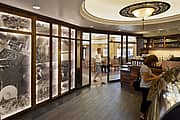
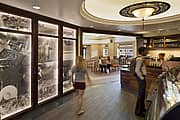
Inside the café, fixed glass panels wrap around the same wall as the opening; they appear as a continuation of the NanaWall system. Coffee imagery — beans, baristas, machines and workers — are illuminated in these “door size” panels, which transfigure the wall that divides the waiting room from the café. The transoms above the panels flood the café with the waiting room’s warm lighting.

1 / 3
2 / 3
3 / 3

Seamless Wide Openings for Retail Storefronts

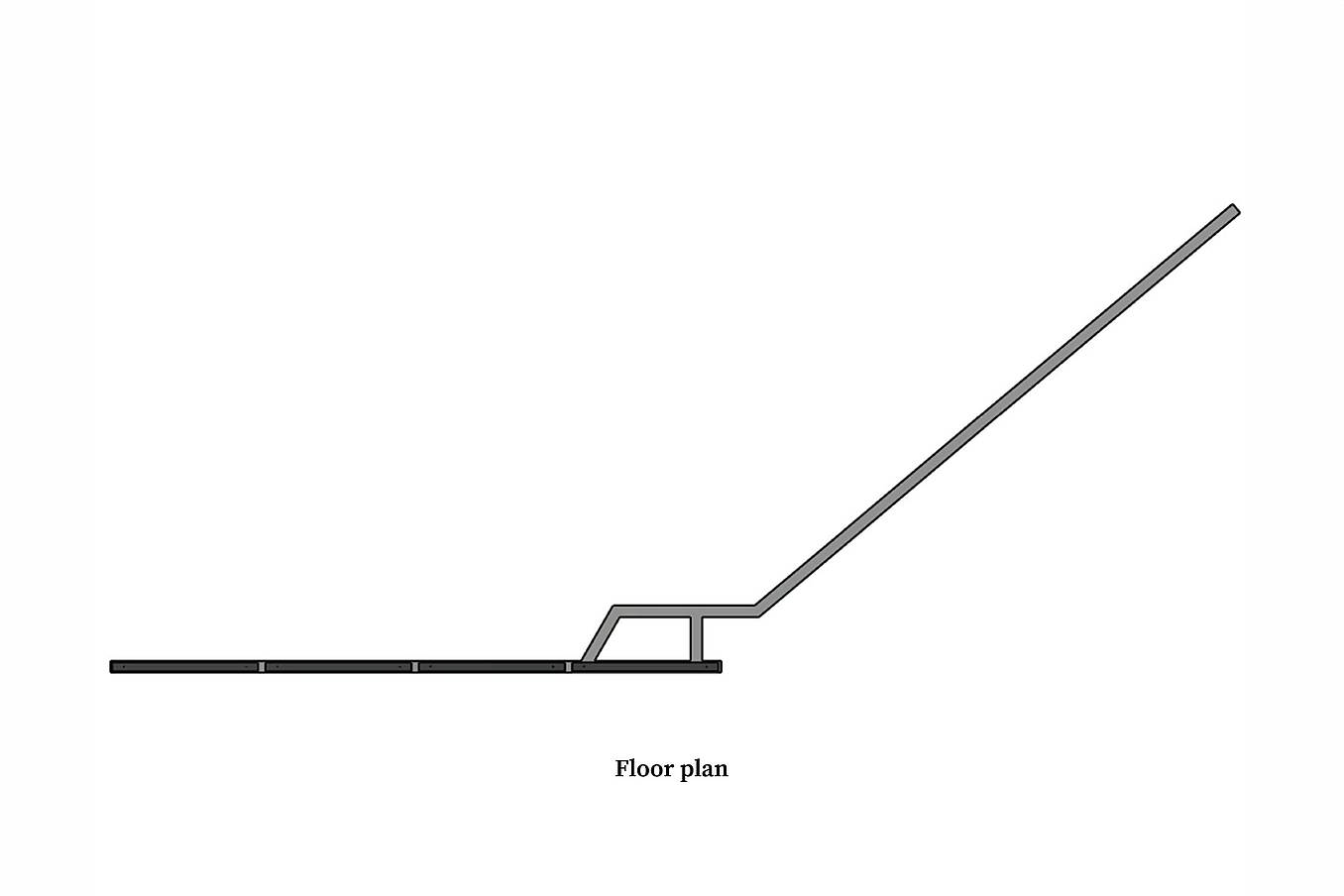
No surprise, NanaWall is a popular option for a retail space. The HSW66 system looks like French doors with fixed sidelights; however, Starbucks has flexibility in its use. Each panel slides independently. Two slide completely out of view into a dedicated closet; the other two slide behind the interior wall. Because of the malleability offered by NanaWall, harried commuters easily maneuver in and out of the resulting large opening during peak travel times. During slower hours, Starbucks can modify the opening to be the size of a single door, as security dictates.

In fact, the walls assure security even after hours. The system has a substantial interior aluminum frame and possesses excellent locking hardware. All the operating handles are inside. All this without impeding access: The top-hung system provides a seamless transition in and out of the popular café.

What Our Customers Have to Say

1 / 13
2 / 13
3 / 13
4 / 13
5 / 13
6 / 13
7 / 13
8 / 13
9 / 13
10 / 13
11 / 13
12 / 13
13 / 13

T Mobile

This T-Mobile retailer in a California-cool location features an eye-catching façade with bold colors and disappearing opening glass walls.

See Case Study

1 / 13
2 / 13
3 / 13
4 / 13
5 / 13
6 / 13
7 / 13
8 / 13
9 / 13
10 / 13
11 / 13
12 / 13
13 / 13

Whole Foods Napa

At the Whole Foods Market Culinary Center, the design team wanted the flexibility of allowing the space to spill out into the sales floor or to be closed off for private events.

See Case Study

After discussing the NanaWall System installation with a current Arhaus employee, they made note of how user-friendly this product is for everyday operation while maintaining the sophisticated look. The system is an essential feature that strengthens both the customer experience and the functionality in this space. 

See Case Study

Speak with a NanaWall Consultant to Discuss Your Goals

Free Design Consultation

Connect With Us
1 / 8
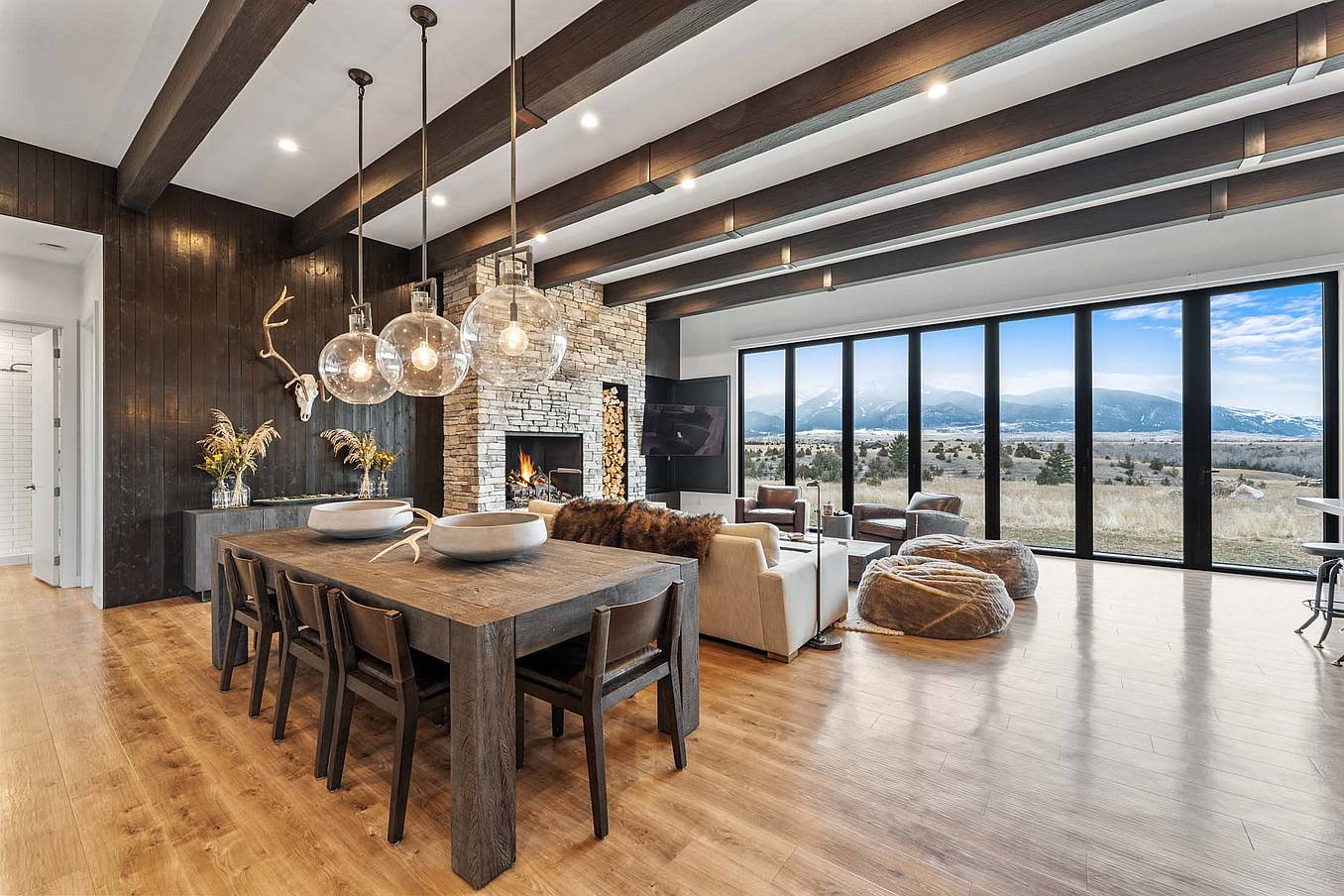
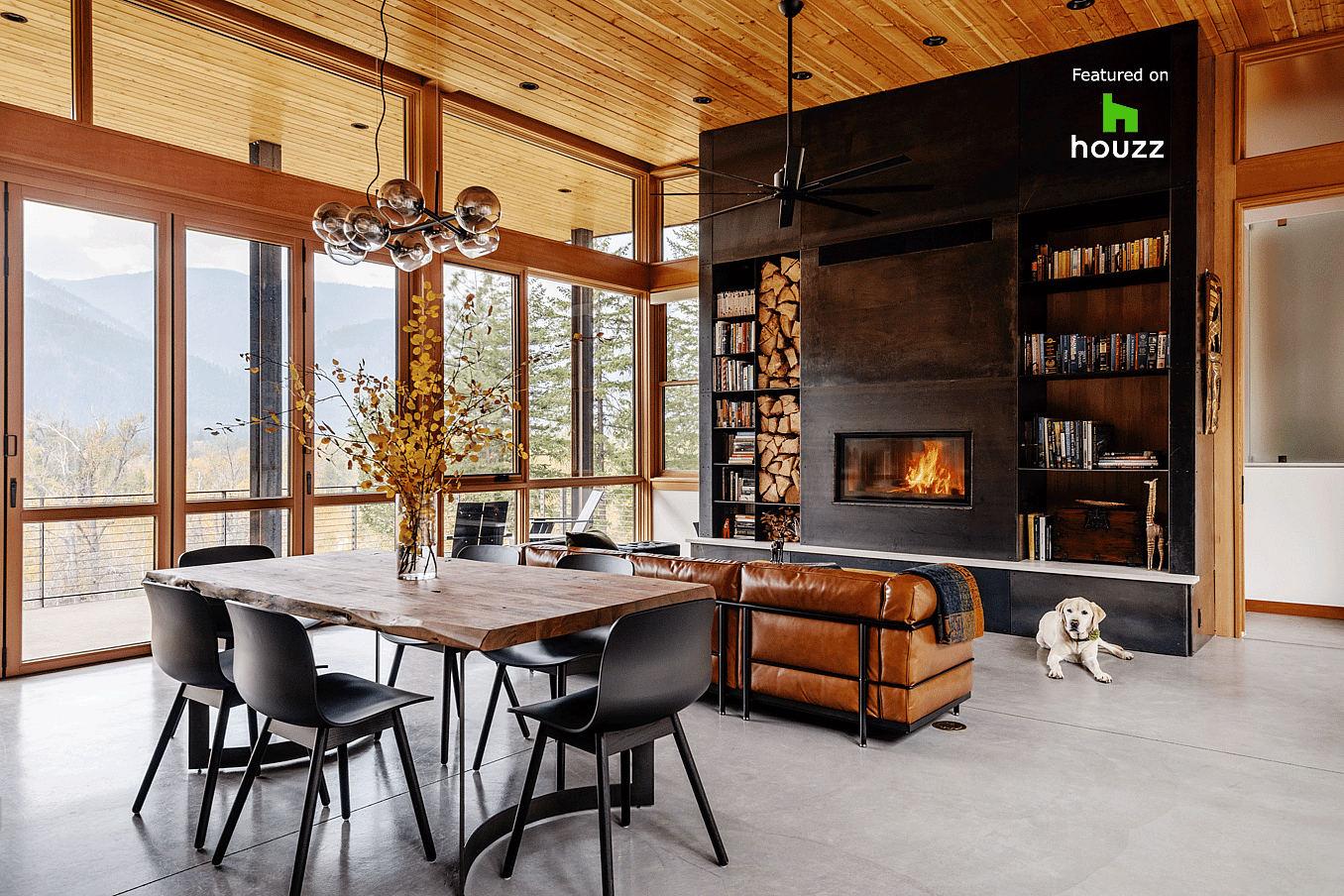
Bifold glass doors frame a modern living and dining area with wood floors, stone fireplace, and floor‑to‑ceiling windows overlooking scenic mountains
2 / 8
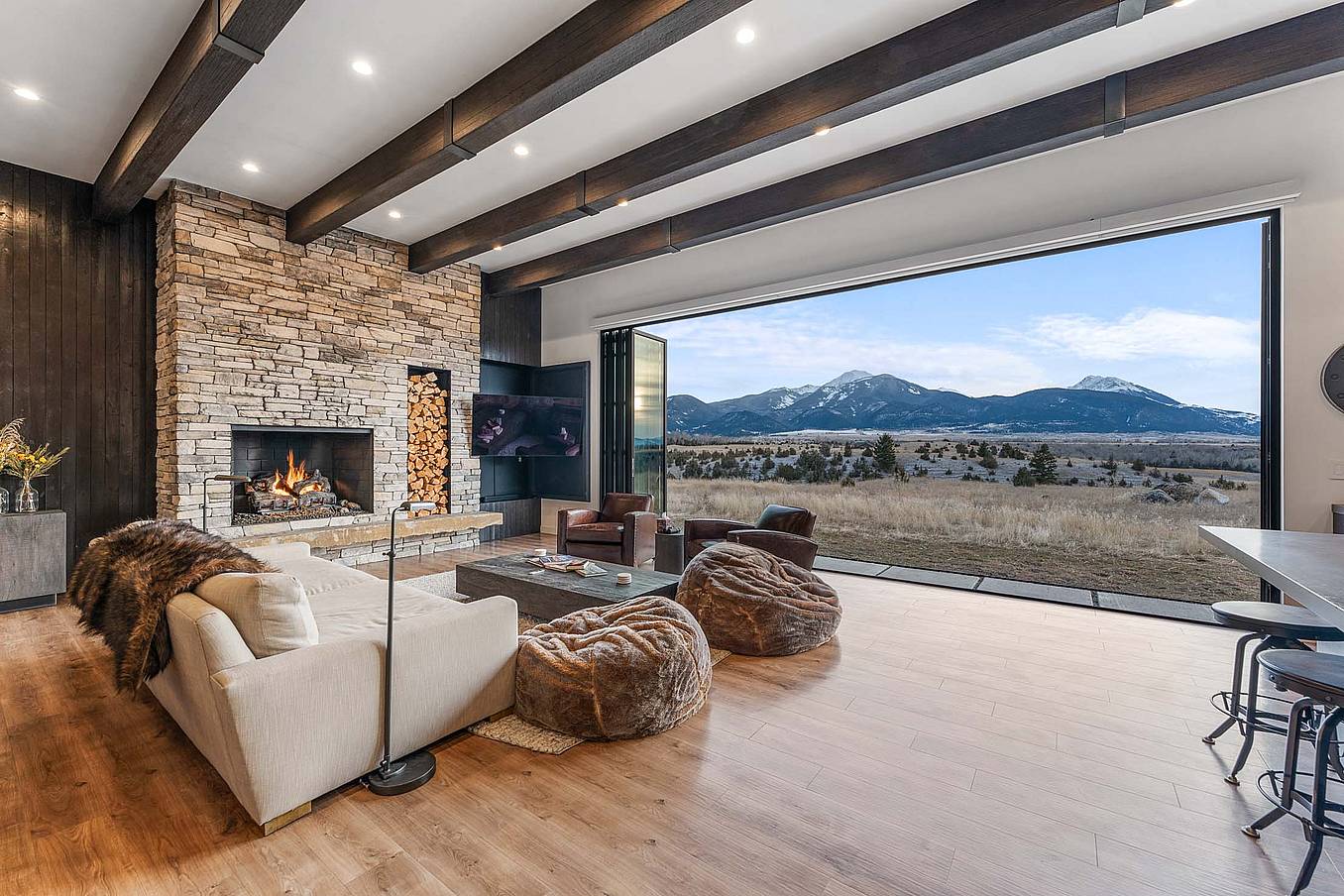
Bifold glass doors connect a modern living room with stone fireplace and wood floors to scenic mountain views, creating seamless indoor-outdoor living
3 / 8
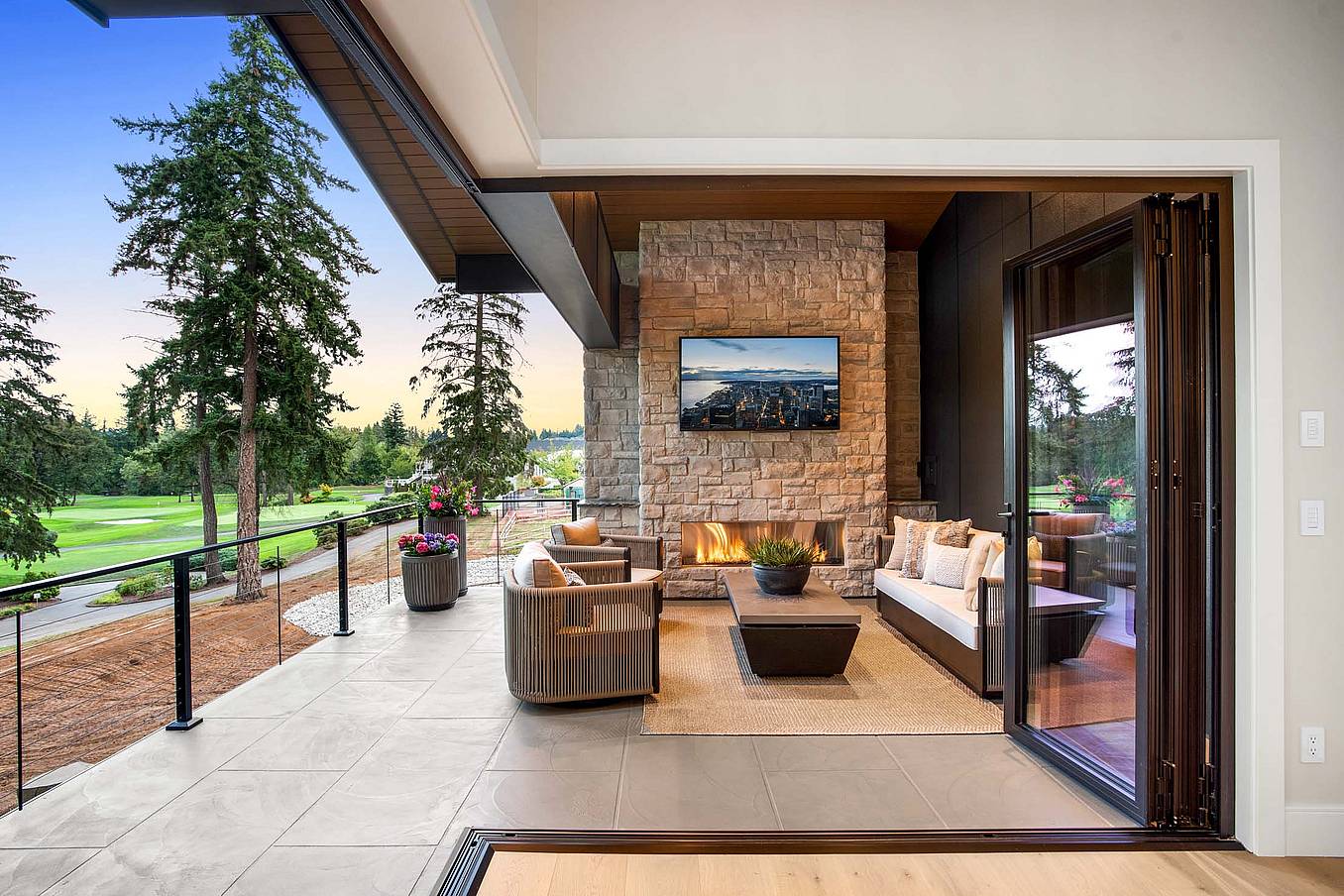
Interior view of dining room with fully open corner bifold glass doors, creating a seamless transition to the outdoor patio and golf course
4 / 8
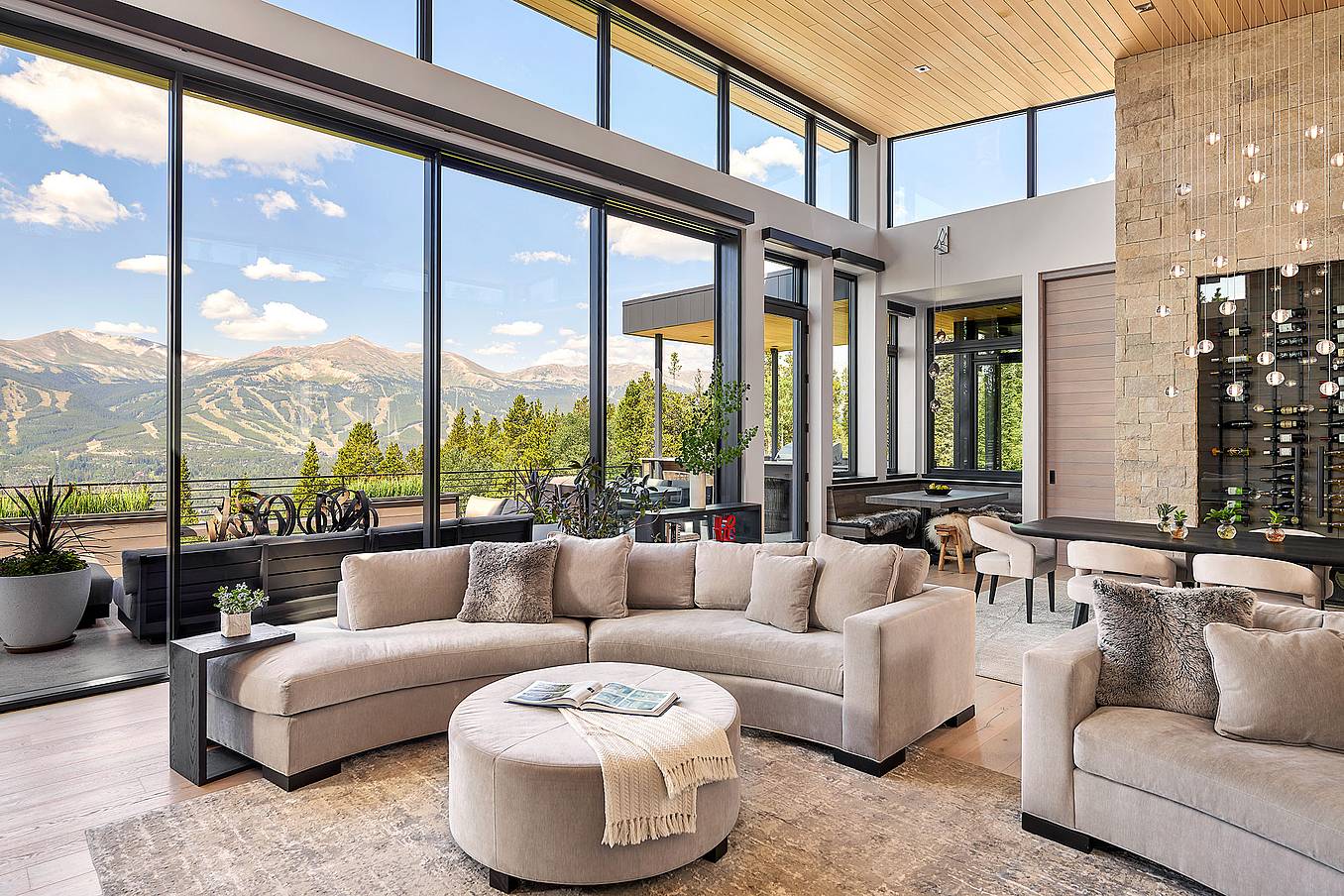
Modern living area with large sliding glass doors opening to patio, creating bright indoor-outdoor living and showcasing clean contemporary architectural style
5 / 8
Interior living space with folding glass doors opened to the deck, part of a Houzz-featured project highlighting warm wood finishes and indoor-outdoor living
6 / 8
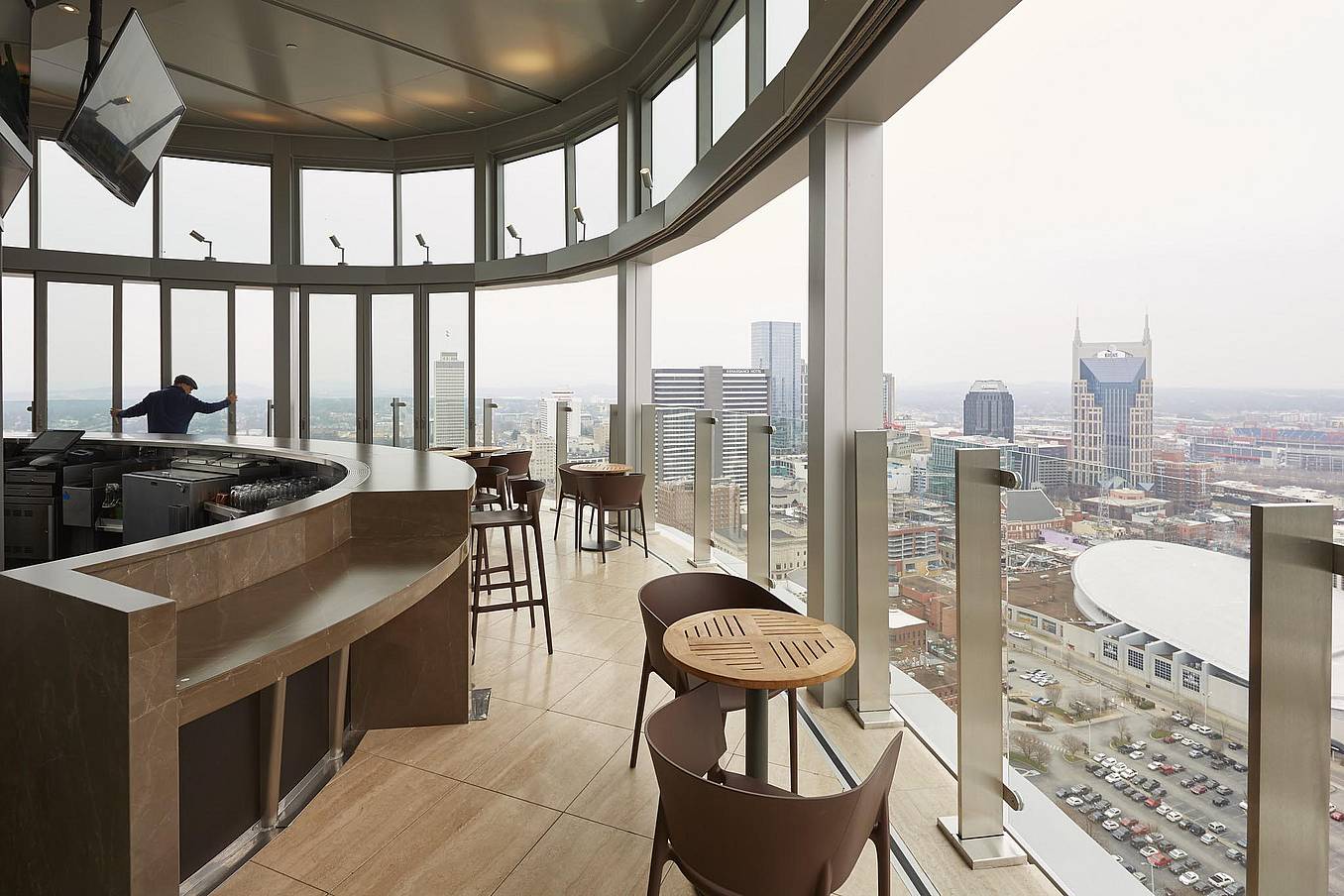
Segmented curved sliding glass walls at JW Marriot Nashville
7 / 8
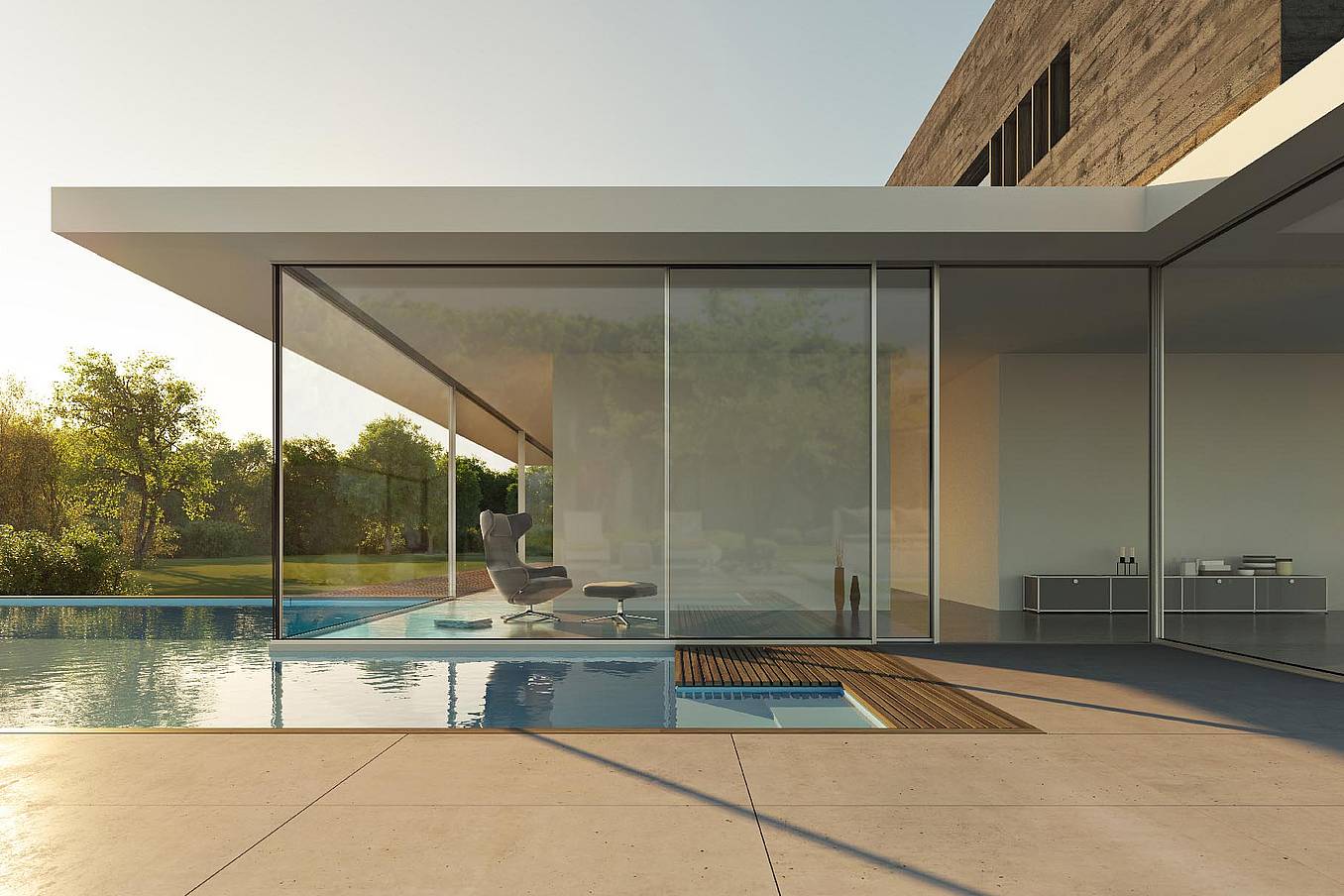
cero minimal moveable glass walls - opening exterior
8 / 8
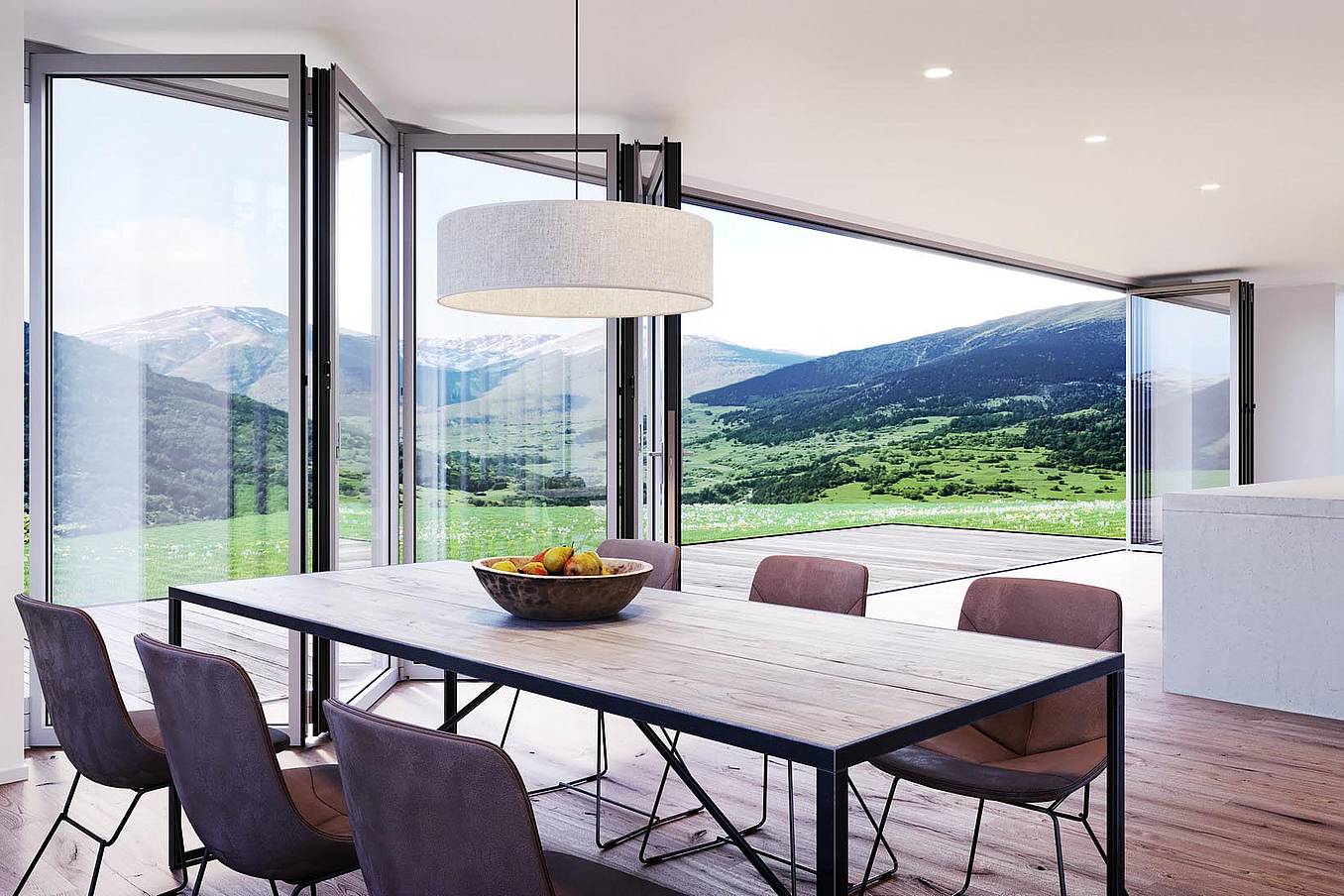
Folding glass patio doors in modern residential enhance seamless indoor‑outdoor flow.